7 hrs ago
War, El Niño and Biofuel Mandates Drive Edible Oil Prices
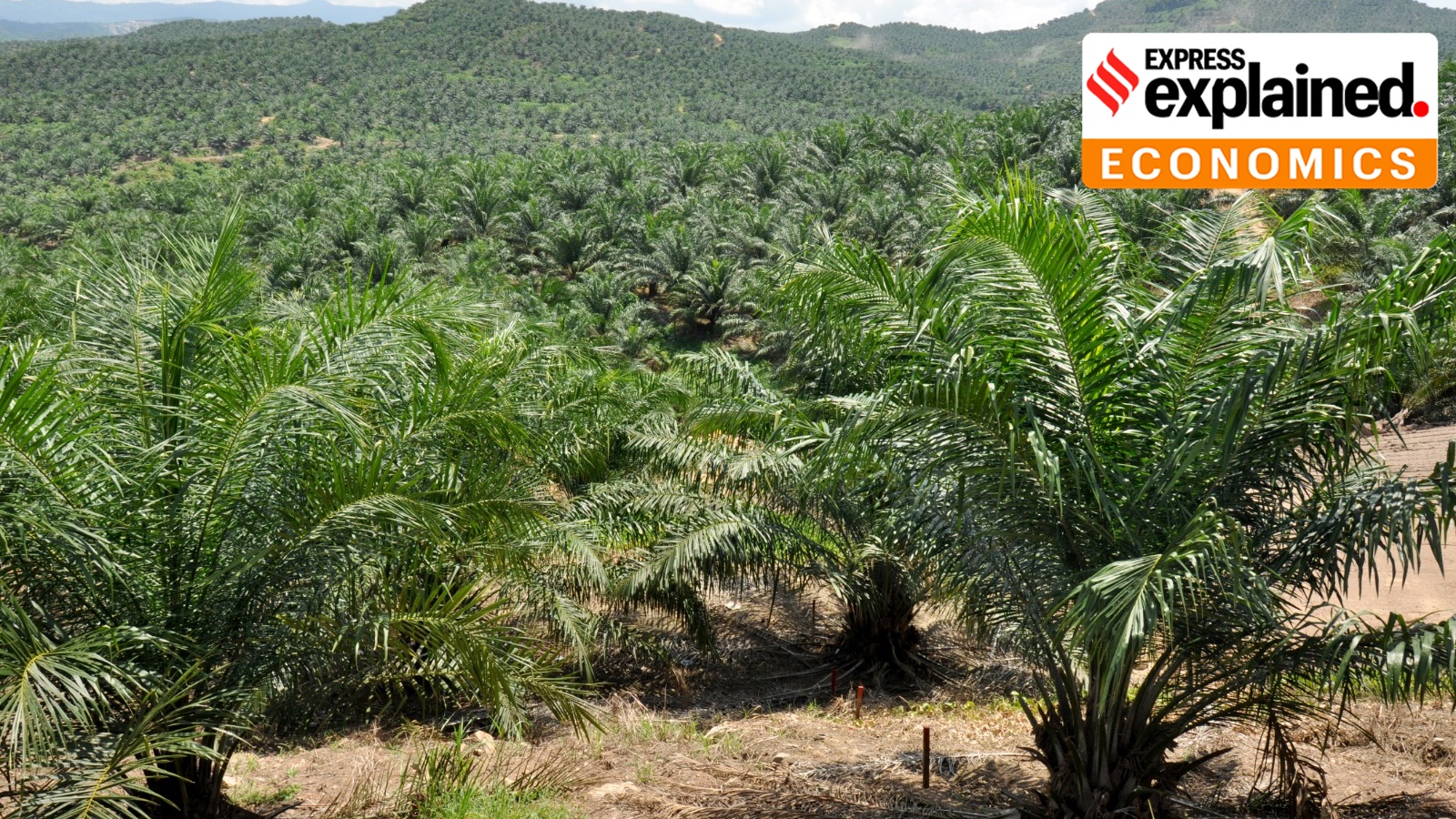
Vegetable oils are used both for cooking and for making biodiesel.
Several countries require fuel companies to mix biofuel into diesel, which increases demand for these oils.
Indonesia is raising the amount of palm-oil-based biodiesel used in its fuel, leaving less palm oil available for export.
High oil prices can also make turning vegetable oil into fuel more attractive.
El Niño may reduce palm oil production after a delay, while war is making it harder to ship sunflower oil from Russia and Ukraine.
These pressures can make vegetable oils more expensive.
India may produce less edible oil and is expected to import more.
The article says these factors are contributing to rising food prices, especially for vegetable oils.

The FAO food price index reached 136 points in September, its highest since November 2022; its vegetable oil index stood at 198.6.
The article attributes pressure on vegetable oil prices to biofuel mandates, elevated petroleum prices, El Niño-related production risks and war-related shipping disruptions.
Indonesia raised its biodiesel blending mandate from B40 to B50 in July 2026, increasing domestic demand for palm oil.
Indonesia’s projected palm oil exports fall from 32.3 million tonnes in 2025 to 26.5 million tonnes in 2027, according to GAPKI’s chairman.
An industry estimate puts India’s edible oil imports at a record 17.2 million tonnes in 2026-27, partly reflecting lower domestic output.
- Who
- Vegetable oil producers and exporters, biofuel-blending governments, and importing countries including India.
- What
- Vegetable oil prices are rising amid biofuel demand, weather risks and war-related shipping constraints.
- Where
- The pressures affect global vegetable oil markets, with particular attention to Indonesia, India, Russia and Ukraine.
- When
- The article reports September index levels and projections for 2026-27, including Indonesia’s July 2026 B50 mandate.
- Why
- Biofuel mandates increase demand for vegetable oils, while El Niño may reduce output and conflict disrupts exports.
Reasons Supporting Biofuel Mandates
Concerns About Food Oil Supply
Energy and domestic demand
Reasons Supporting Biofuel Mandates
An industry source says biodiesel creates domestic demand for palm oil and helps Indonesia reduce reliance on energy imports.
Concerns About Food Oil Supply
Higher domestic use can leave less palm oil for export, potentially tightening supplies for importing countries such as India.
Fuel production versus food availability
Reasons Supporting Biofuel Mandates
Biofuel mandates require fuel companies to blend specified amounts of biofuel into transport fuels.
Concerns About Food Oil Supply
The article says about 25% of global soyabean oil, 28% of palm oil and 29% of rapeseed oil production is used as biodiesel feedstock, adding competition for edible oils.
Key facts
- FAO food price index
- 136 points in September, the highest since November 2022.
- FAO vegetable oil index
- 198.6 points, up 18.3% from September 2025.
- Indonesia biodiesel mandate
- Raised to B50 in July 2026, with a three-month transition period.
- Indonesia palm oil for biodiesel
- Projected consumption: 14.7 million tonnes in 2026 and 17.4 million tonnes in 2027, up from 12.7 million tonnes in 2025.
- Indonesia palm oil exports
- Projected to decline from 32.3 million tonnes in 2025 to 26.5 million tonnes in 2027.
- India edible oil imports
- Estimated at 17.2 million tonnes in 2026-27, including 8.2 million tonnes of palm, 5 million tonnes of soyabean and 3.5 million tonnes of sunflower oil.
- India edible oil output
- Estimated at 9.2 million tonnes in 2026-27, compared with 9.7 million tonnes in 2025-26.
Quotes
Industry source
An industry source quoted in the article.
“Our current estimate for 2026-27 is 9.2 mt, as against 9.7 mt in 2025-26. Imports will correspondingly rise from 16.8 mt to a new record of 17.2 mt. The latter would mainly comprise 8.2 mt of palm, 5 mt of soyabean, 3.5 mt of sunflower oil.”
 indianexpress.com
indianexpress.com
indianexpress.com
“For Indonesia, biodiesel not only creates extra domestic demand for palm oil, reducing reliance on the export market, but also helps bring down its energy import bill.”
indianexpress.com
Sources
Related news

India Considers Lower Vegetable Oil Import Taxes Amid Inflation
India Cuts Edible Oil Duties Ahead of Festive Season
India’s Tax Cuts Spur Palm Oil Restocking Ahead Of Festivals

Global Food Prices Reach Highest Level Since 2022
Edible Oil Duty Cuts May Halt Festive Retail Price Hikes
India Cuts Edible Oil Import Duties to Ease Prices
Why Palm Oil Fills Packaged Foods—and How Safe Is It?

India's Edible Oil Imports Fall 8% To 14.81 Lakh Tonnes

AP Launches Subsidised Rice Scheme to Curb Price Rise

Palm Oil: Beyond the No Palm Oil Label