

1 week ago
Why Palm Oil Fills Packaged Foods—and How Safe Is It?
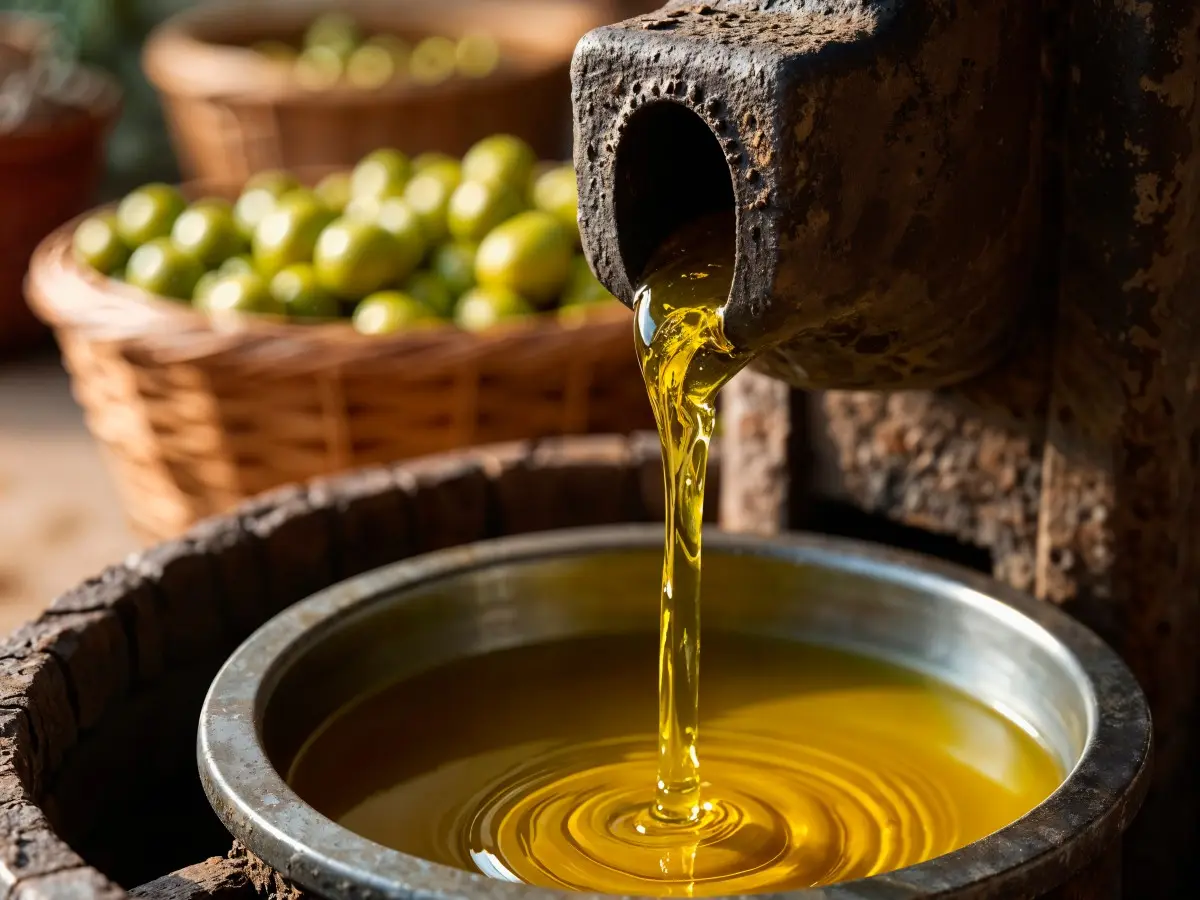
Palm oil comes from the fruit of oil palm trees.
Food companies use it because it is inexpensive and helps snacks stay fresh for a long time.
It has a mild taste and can make foods crispy, fluffy, or creamy.
It also handles high cooking temperatures well.
Palm oil is allowed in packaged foods under India’s food-safety rules.
However, it contains a lot of saturated fat, which can raise “bad” cholesterol when eaten too often.
Eating many packaged foods can also add too much sugar, salt, and calories to a person’s diet.
Experts suggest eating palm-oil-containing foods occasionally and choosing healthier unsaturated fats when possible.
One expert said there is no clear evidence that palm oil itself directly causes cancer.

Palm oil is popular because it is affordable, oxidation-resistant, mildly flavored, and improves texture and shelf life.
Its semi-solid form, high smoke point, and stability make it useful in biscuits, chips, baked goods, fillings, and fried snacks.
Indian food-safety rules classify palm oil as a standardized edible fat permitted in packaged foods.
Experts say palm oil is about 50% saturated fat, so frequent high intake may raise LDL cholesterol and cardiovascular risk.
Experts generally recommend moderation and focusing on the overall diet rather than eliminating palm oil completely; no clear direct link to cancer has been established.
- Who
- Food manufacturers, Indian food-safety authorities, and nutrition and medical experts including Sumit Roy, Sonali Saxena, Dr Jatinder Singh Bhogal, and Dr Sachin Trivedi.
- What
- The articles explain why palm oil is widely used in packaged foods, its regulatory status in India, and the health considerations associated with eating it.
- Where
- The discussion focuses on India, with palm oil supplied especially from Indonesia and Malaysia and traded globally.
- When
- The articles refer to current use and regulations, a statement made by Prataprao Jadhav a week earlier, and palm-oil import data for 2025.
- Why
- Manufacturers favor palm oil because it is affordable, widely available, stable, mild-flavored, and useful for improving food texture, frying performance, and shelf life.
Moderation and Overall Diet
Limit Palm-Oil Foods
Safety and health concerns
Moderation and Overall Diet
Sumit Roy said concerns about palm oil are overhyped and noted that it is standardized and permitted under Indian food-safety regulations. Dr Jatinder Singh Bhogal said occasional consumption is different from making these foods a regular part of the diet.
Limit Palm-Oil Foods
Nutrition and medical experts emphasized that palm oil’s relatively high saturated-fat content can raise LDL cholesterol and cardiovascular risk when consumed regularly or in large amounts.
What consumers should prioritize
Moderation and Overall Diet
Experts supporting a moderate approach said people should assess their overall diet rather than focus on palm oil in isolation, especially because the broader issue is frequent consumption of ultra-processed foods.
Limit Palm-Oil Foods
Sonali Saxena advised reading nutrition labels, reducing reliance on highly processed foods, and choosing whole foods or homemade snacks and foods with healthier unsaturated fats.
Cancer risk
Moderation and Overall Diet
Dr Sachin Trivedi said there is currently no clear evidence establishing a direct link between palm oil consumption and cancer, and advised balanced eating rather than eliminating one ingredient during or after cancer treatment.
Limit Palm-Oil Foods
The articles do not present evidence that palm oil directly causes cancer, but they identify highly processed foods containing excess saturated fat, sugar, salt, and calories as a broader dietary concern.
Key facts
- Main uses
- Biscuits, chips, baked goods, instant noodles, fried foods, cream fillings, and other packaged snacks.
- Key properties
- Long shelf life, resistance to oxidation, neutral taste, semi-solid texture, affordability, and a high smoke point.
- Saturated fat
- Palm oil is described as roughly 50% saturated fat, including palmitic acid.
- Indian regulation
- It is classified as a standardized edible fat under Sub-regulation 2.2 of the Food Safety and Standards (Food Products Standards and Food Additives) Regulations, 2011, and regulated by the Food Safety and Standards Authority of India under the Food Safety and Standards Act, 2006.
- Health comparison
- Harvard nutrition experts described palm oil as better than high-trans-fat shortenings and probably better than butter, but less preferable than liquid oils such as olive or canola oil.
- India’s imports
- Sonali Saxena cited Department of Food & Public Distribution data saying palm oil accounts for about 59% of India’s edible-oil imports.
- Global trade
- Asian countries imported palm oil worth $28.2 billion in 2025, representing 57.8% of the global total.
Quotes
Dr Jatinder Singh Bhogal
Senior Consultant in Gastroenterology and Hepatology at Kailash Deepak Hospital
“The bigger concern is often frequent consumption of packaged and ultra-processed foods, which can also be high in calories, refined carbohydrates, sodium and saturated fats.”
 wionews.com
“Palm oil has become a common ingredient in packaged foods because of its affordability, stability and ability to improve texture and shelf life.”
wionews.com
Sources
Related news

Maharashtra FDA Clarifies Existing Ban On Loose Edible Oil Sales
Maharashtra FDA Warns Against Loose Oil, Intensifies Safety Crackdown

Maharashtra FDA Tightens Rules On Loose Oil, Reuse
Supreme Court Directs FSSAI to Implement Front-of-Package Food Labels
Maharashtra FDA Warns of Severe Penalties for Edible Oil Violations
FSSAI Proposes Red Front-Pack Warnings For Unhealthy Foods

Supreme Court Seeks Full Roy Interrogation Records in Salboni Probe

Derek O’Brien Skips Summons, Gets Second Camac Street Notice

Kolkata Police Issue Fresh Summons in TMC Billboard Case

Calcutta High Court Seeks FIR Details Against Banerjee Aide