3 days ago
England’s Extreme Heat Exposes Wider Climate Change Risks
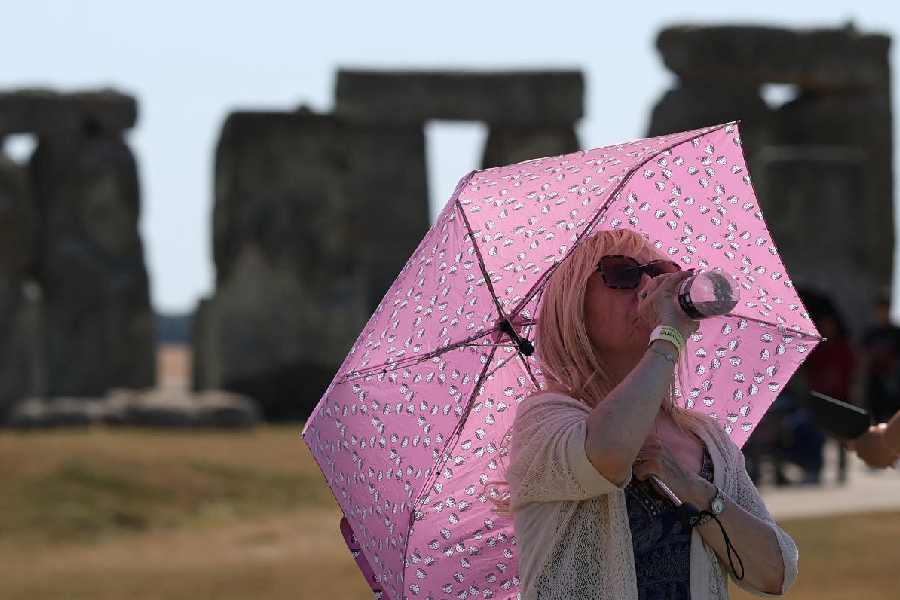
England is having a much hotter and drier summer than usual.
Parks and countryside that are normally green have turned brown.
The article says changes in the atmosphere are helping hot air stay over the country.
It connects these changes to global warming.
Some British politicians argue that reducing Britain’s emissions would not make much difference because Asian countries emit more today.
The article disagrees and says countries need to work together.
It also describes a glacier collapse near the Nepal-China border that caused deadly floods.
Melting glaciers could threaten water, food and electricity for millions of people in South Asia.
The article says countries should both reduce pollution and prepare for climate disasters.

England has endured an unusually dry, hot summer, with brown landscapes, drought conditions and hosepipe bans reported across the country.
The article attributes the heat to a persistent high-pressure system and a sluggish jet stream linked to faster warming in the polar regions.
British politicians including Kemi Badenoch and Richard Tice are described as opposing Net Zero policies, arguing that Britain’s emissions are too small to affect global warming.
A glacier collapse near the Nepal-China border reportedly caused catastrophic floods, killing more than 500 people and leaving nearly 3,000 missing.
The article warns that melting Himalayan glaciers threaten water supplies, agriculture, hydropower and human survival across South Asia.
- Who
- People in England and communities across South Asia are affected; British politicians and climate experts are also discussed.
- What
- An unusually hot, dry summer in England is presented as a sign of climate change, alongside warnings about glacier-related disasters in South Asia.
- Where
- England, particularly London and southern English countryside, and the Nepal-China border in the Himalayas.
- When
- During the summer described in the article; a glacier collapse and floods reportedly occurred earlier that week.
- Why
- The article attributes the conditions to global warming, a persistent high-pressure system, a sluggish jet stream and rapidly warming polar and mountain regions.
Climate Action Advocates
Net Zero Opponents
Britain’s responsibility
Climate Action Advocates
The article argues that Britain and other Western countries must reduce emissions and support coordinated global climate action, including because of their historical emissions.
Net Zero Opponents
Opponents such as Kemi Badenoch and Richard Tice argue that Britain reaching Net Zero would make little difference while Asian emissions remain much larger.
Mitigation versus adaptation
Climate Action Advocates
The article says countries must slow global warming through collective action while preparing for unavoidable disasters.
Net Zero Opponents
Richard Tice is quoted as favoring adaptation, portraying warmer English summers and domestic vineyards as conditions Britain should accept.
Climate consequences
Climate Action Advocates
The article warns that warming is likely to bring wildfires, glacier collapses, floods, water stress and potentially unbearable heat.
Net Zero Opponents
The opposing political view described in the article emphasizes adapting to climate change rather than prioritizing Net Zero policies.
Key facts
- England’s conditions
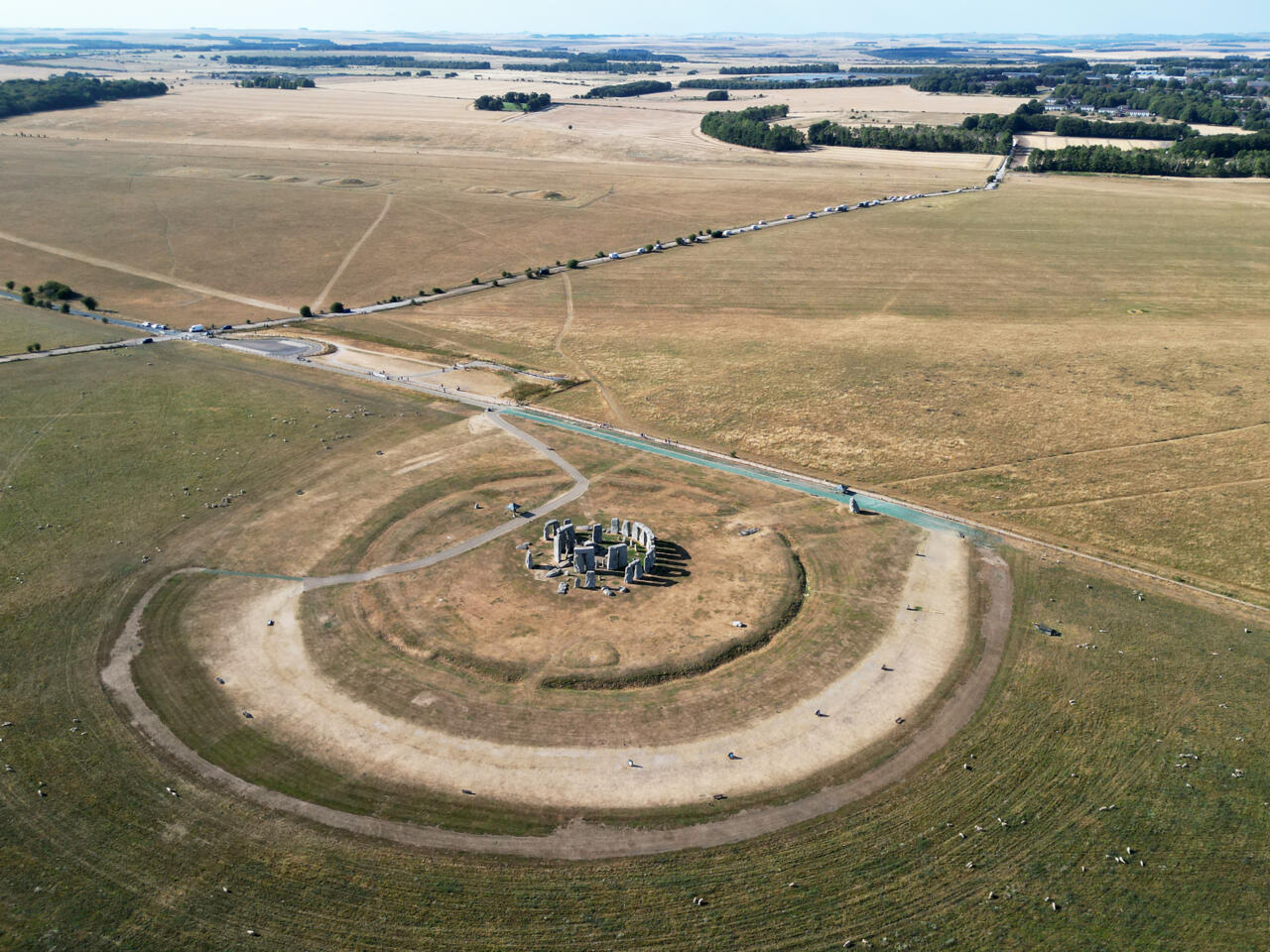
- Brown lawns, dry hedgerows, drought conditions and hosepipe bans were reported after an extended dry period.
- Reported temperature risk
- The article says temperatures that once peaked around 28°C could now approach 40°C.
- Atmospheric explanation
- A high-pressure dome and sluggish jet stream are described as trapping heat over England.
- Political dispute
- Kemi Badenoch and Richard Tice are described as opposing Net Zero policies.
- Glacier disaster
- A glacier collapse near the Nepal-China border reportedly triggered cascading floods.
- Reported casualties
- More than 500 people were confirmed dead and nearly 3,000 were reported missing.
- South Asian dependence
- The article says about two billion people in South Asia depend on perennial Himalayan rivers for water, irrigation and hydropower.
Sources
Related news
Drought Grips Nearly Three-Quarters of England as Heat Looms

Europe’s Scorching Summer Damages Farms and Raises Food Prices
UK hits 38.1°C, hottest 2026 day, amid European heatwave

Climate Crisis Demands Urgent Action and Moral Responsibility, Column Argues

UK PM Burnham announces £65m support for drought-hit farmers

Bangladesh Recall Shanto, Mahmud for Asian Games T20 Squad

Sharma and Malik share halfway lead at Telangana Golconda Masters

India Replaces Sri Lanka as 2027 Women’s Champions Trophy Host

Centre Assures JDU Bihar’s Interests In Farakka Treaty Decision
India’s Record Wheat Harvest Opens $1.5 Billion Export Window