

3 weeks ago
Russia can't win, won't stop: Plan D to outlast West
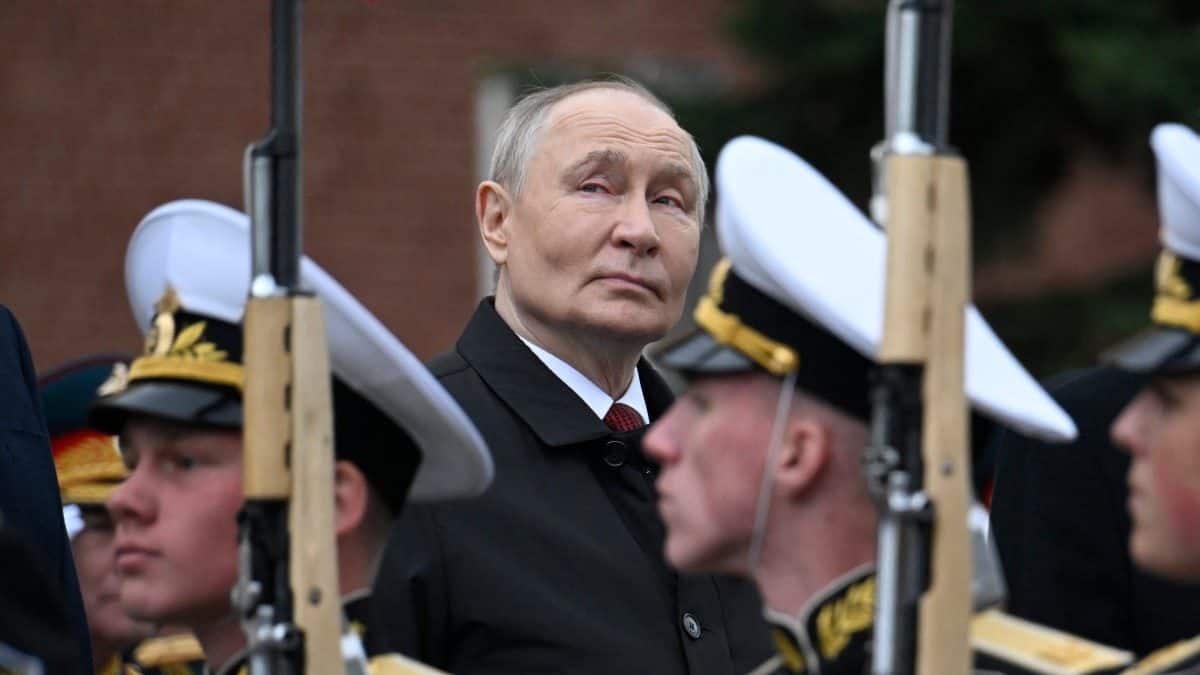
Russia and Ukraine have been fighting for a very long time, and many people have been hurt.
Russia cannot win the war quickly, but it also will not stop fighting.
Russia's leader has a new plan: instead of only fighting soldiers, Russia is attacking power plants, ports, and other important places to make life very hard for Ukraine.
Russia believes it can keep fighting longer than the countries helping Ukraine.
Ukraine is fighting back by sending drones to hit oil places and warehouses in Russia.
Because of the attacks, many ships cannot safely carry food across the Black Sea, and people who need that food may have less to eat.
Both sides are using a lot of soldiers and weapons, and neither side wants to give up.
Russia thinks stopping the war would just give Ukraine time to get stronger.
So the war is likely to continue for a long time.

Russia has shifted from seeking military victory to 'Plan D': prolonged coercion aimed at outlasting Western support for Ukraine.
Russian gains have slowed sharply, with roughly 26,000 monthly casualties and advances of only about 1.3 per cent of Ukrainian territory since early 2023.
Ukraine's long-range drone campaign has struck refineries, logistics hubs and at least seven Wildberries warehouses, cutting Russian refining capacity by about 17 per cent.
Attacks on Black Sea ports and vessels have disrupted Ukrainian grain exports; Ukraine reported 35 attacks on vessels in ports and 22 at sea in July alone.
Russia is betting that Western distractions, including the conflict involving Iran, will strain US supplies of air-defence missiles needed by Ukraine.
- Who
- Russia, led by President Vladimir Putin, and Ukraine, with the United States, Europe and Iran shaping the wider strategic context.
- What
- Russia has adopted a strategy of prolonged coercion, attacking Ukrainian infrastructure and energy systems, while Ukraine responds with long-range drone strikes on Russian targets and Black Sea shipping is disrupted.
- Where
- Ukraine, Russia, occupied Crimea and the Black Sea.
- When
- Reported in summer 2026, roughly four and a half years after Russia's full-scale invasion of Ukraine.
- Why
- Russia believes it can outlast Ukrainian resolve and Western support, while fearing a ceasefire would only let Ukraine rebuild and rearm.
Ukraine and its Western partners
Russia and the Kremlin
War's likely trajectory
Ukraine and its Western partners
Russia's offensive momentum has visibly slowed and Ukraine has regained substantial ground in 2026, putting it in a stronger defensive position.
Russia and the Kremlin
Russia retains the ability to mount large aerial barrages and believes it can absorb more pain through repression, wartime spending and coercive mobilisation.
Western endurance vs Russian pressure
Ukraine and its Western partners
Europe has moved to fill gaps left by the US and Ukraine has built a substantial domestic drone industry, so Russian hopes of a Ukrainian collapse have failed.
Russia and the Kremlin
Distractions such as the conflict involving Iran strain US air-defence supplies, and Russia calculates that fading Western attention will work to its advantage.
Worth of negotiations
Ukraine and its Western partners
A credible political settlement is needed to end a punishing, costly war of endurance.
Russia and the Kremlin
A ceasefire would give Ukraine time to rebuild and rearm, so Putin sees negotiations as a trap that would freeze Russia's disadvantages.
Key facts
- Russian-held territory
- Roughly one-fifth of Ukraine
- Russian territorial gains since early 2023
- About 1.3 per cent of Ukraine
- Estimated Russian casualties
- More than 26,000 per month on average; 275,000-325,000 fatalities since the invasion
- Ukrainian territorial recapture (2026)
- More than 600 sq km claimed by early June
- Reduction in Russian refining capacity
- About 17 per cent, or roughly 1.1 million barrels per day
- Wildberries warehouse impact
- At least seven warehouses damaged, about 10 per cent of storage capacity
- Black Sea attacks in July
- 35 on vessels in ports, 22 at sea, 67 on port facilities
Quotes
Amitabh Singh
Author and professor of international studies at JNU, New Delhi
“This is a grim calculation, but it cannot be dismissed. Ukraine may be in a stronger defensive position than at several earlier points in the war, and Russia’s offensive momentum has visibly slowed.”
 firstpost.com
Alexander Gabuev
Foreign Affairs analyst
“President Vladimir Putin had hoped first to exploit Donald Trump’s return to the White House and his stated desire to end the war quickly. That did not materialise.”
firstpost.com
Sources
Related news
Ukraine War Becomes a Contest of Endurance
Putin Weighs Escalation as Ukraine Peace Talks Reach Deadlock

Putin Signals Possible Escalation as Ukraine Peace Talks Stall

Putin May Escalate Ukraine War Amid Russia’s Stalemate
Russia, Ukraine Exchange Overnight Strikes, 7 Killed, Many Injured
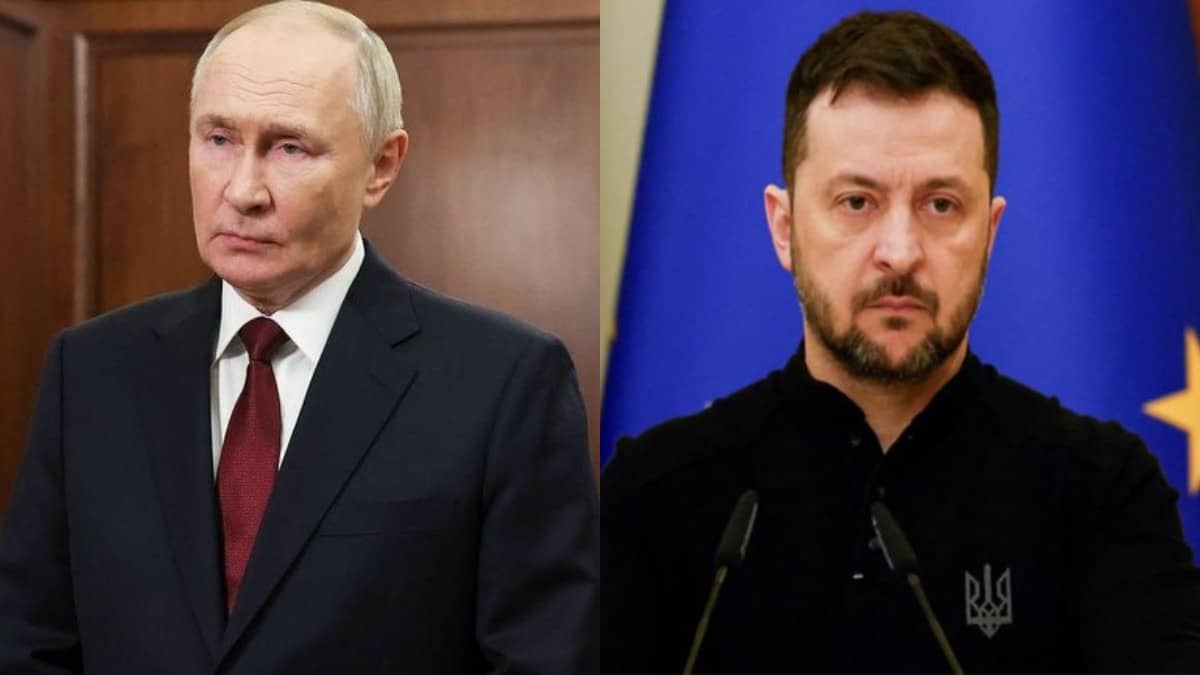
Putin Says Russia Is Winning, Rejects Talks With Terrorists

Zelenskyy Warns Russia May Mobilize 300,000 Troops for Donetsk Offensive
Why Chelsea’s Stamford Bridge Will Host Champions League Matches

Ukraine retakes 745 sq km in 'precision' operation, Zelenskiy says
Russia lists 224 Ukrainian POWs for exchange amid Kyiv dispute
