

1 hr ago
Walking Can Help Lower Blood Sugar, But Not Replace Medication

Walking can help your muscles use sugar from your blood for energy.
Regular walks may also help your body use insulin better.
But walking does not work the same way for everyone.
Some people need medicine to keep their blood sugar at a safe level.
Stopping medicine without talking to a doctor can be dangerous.
The article suggests regular walks, including short walks after meals, if exercise is safe for you.
Eating balanced meals and checking blood sugar can also help.
Sleep and managing stress matter too.
A doctor can help decide what treatment and activity are right for each person.

Walking helps muscles use glucose and can improve the body's sensitivity to insulin.
How much walking affects blood sugar varies with a person's health, medication, diet, and exercise routine.
The article warns against stopping or changing prescribed diabetes medication without consulting a doctor.
It suggests aiming for about 150 minutes of moderate activity weekly, if a doctor says it is safe.
Balanced meals, blood sugar monitoring, adequate sleep, and stress management can support diabetes care.
- Who
- People with diabetes or those seeking to prevent it.
- What
- The article explains that walking can support blood sugar control but should not replace prescribed diabetes medication.
- Where
- When
- It recommends around 150 minutes of moderate activity each week, if a doctor says it is safe, and suggests 10–15-minute walks after meals as a possible starting point.
- Why
- Walking can help muscles use glucose and improve insulin sensitivity, but its effects vary and some people still need medication.
Key facts
- Weekly activity suggestion
- Around 150 minutes of moderate-intensity activity, if approved as safe by a doctor.
- Example schedule
- 30-minute sessions on five days per week.
- After-meal walks
- 10–15 minutes after lunch or dinner may be a starting point for many people.
- Medication advice
- Do not skip, reduce, or stop prescribed medication without speaking with a doctor.
- Monitoring
- Check blood sugar as advised; people using insulin or some medicines may need extra checks after exercise.
- Sleep suggestion
- Aim for around seven to nine hours each night.
Sources
Related news
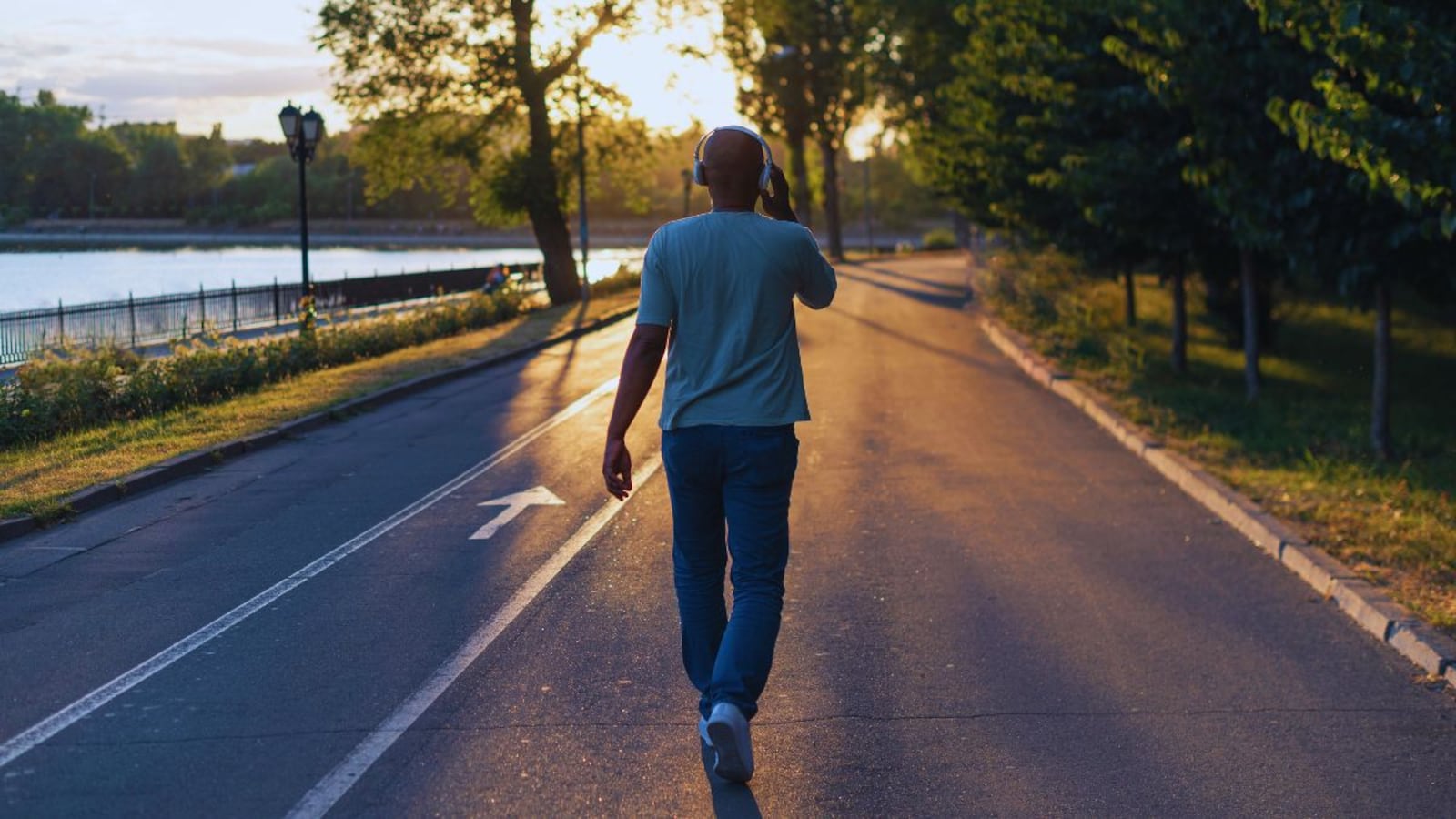
Short Post-Meal Walks May Help Lower Blood Sugar

Post-Meal Walks Offer Practical Blood Sugar and Metabolic Benefits
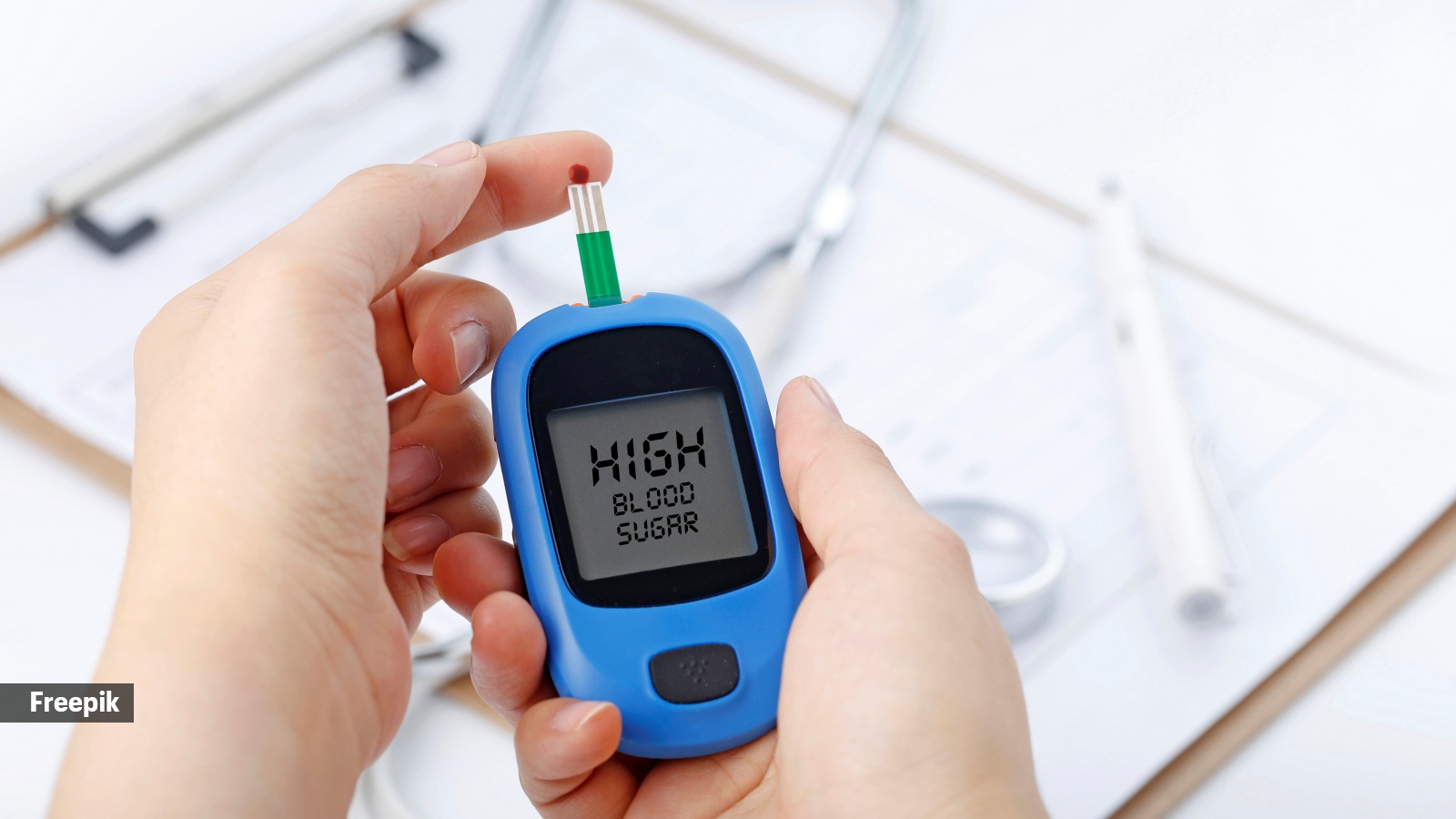
Rising HbA1c Linked to Sugar and Missed Metformin
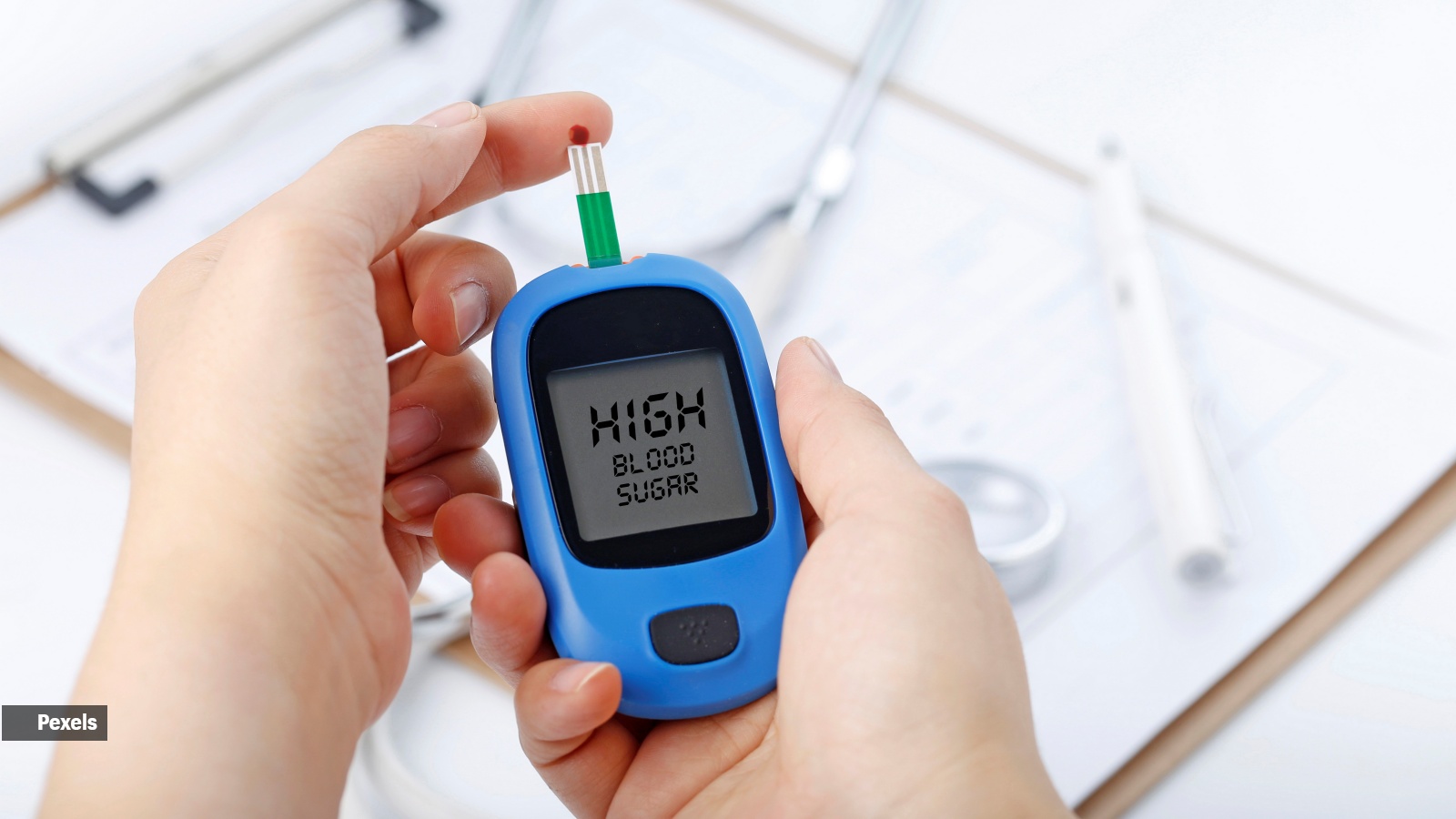
HbA1c of 10.6% Requires Lifestyle Changes and Medical Review

Persistent High Blood Sugar May Require Diabetes Treatment Changes
