2 hrs ago
Government Opens Door to Possible MDR on High-Value UPI
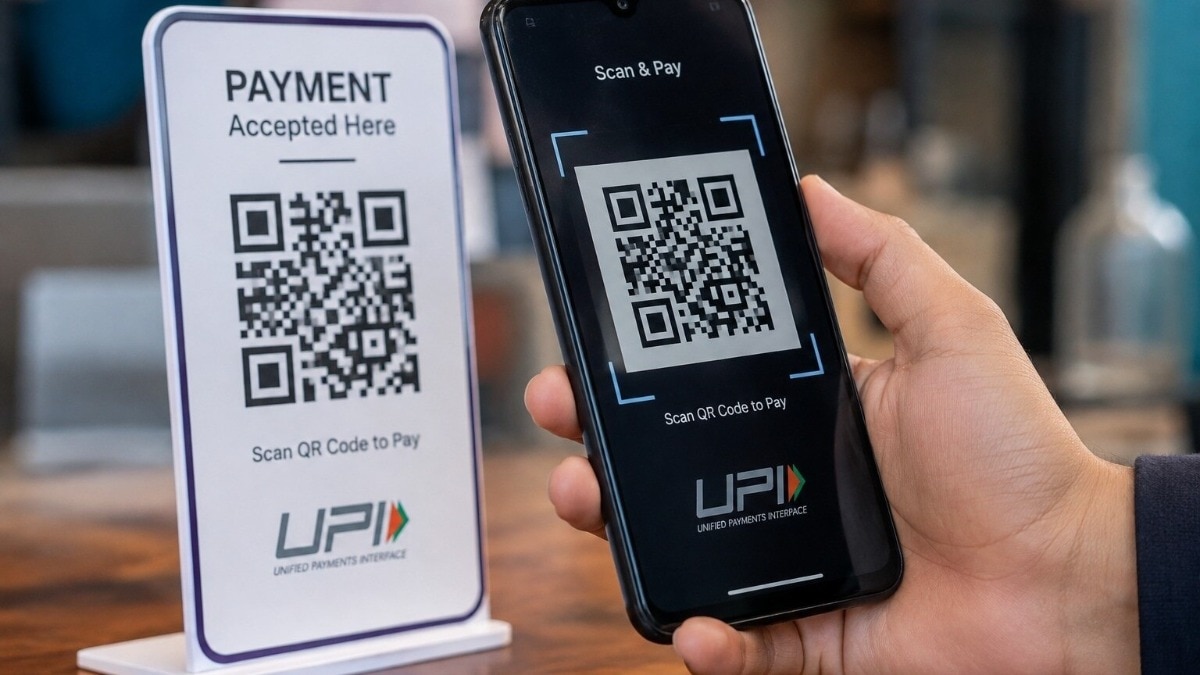
The government has changed a rule about fees on UPI payments.
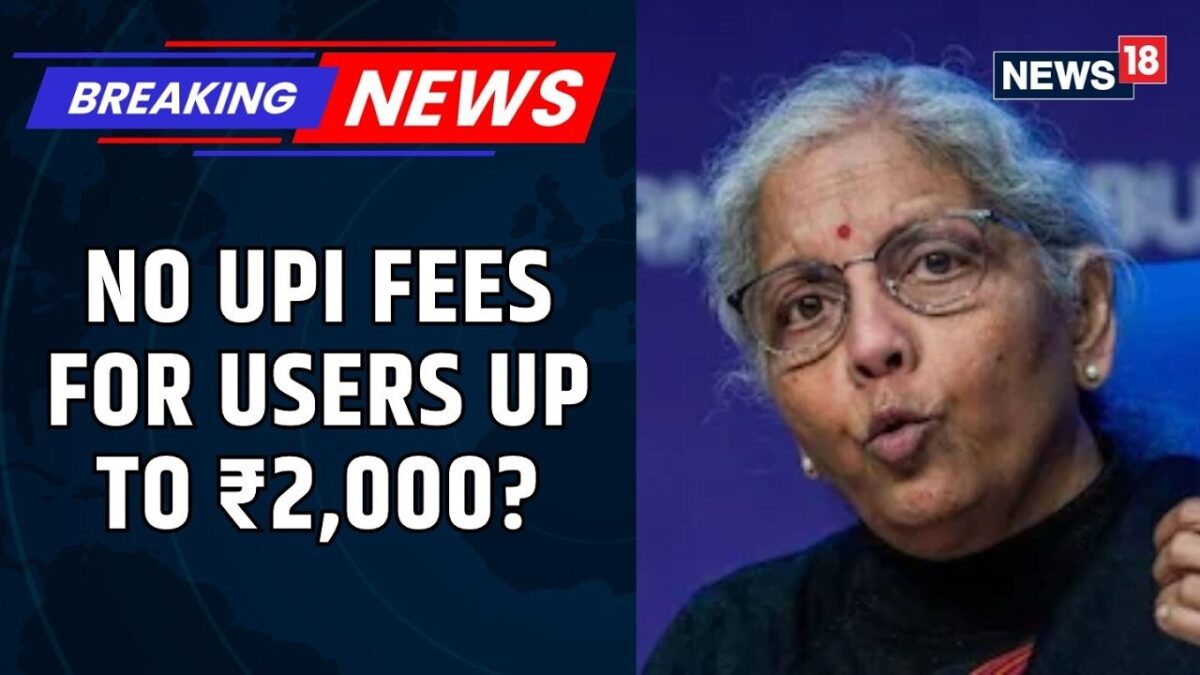
Banks and payment companies cannot charge fees on UPI payments up to ₹2,000.
This does not mean that a new UPI fee has already started.
A small fee may be considered for some larger payments made to businesses.
Sending money to friends or family would remain free.
The fee would officially be charged to merchants, not customers.
However, some merchants might raise prices or add a surcharge to recover the cost.
The government says the money could help pay for safer and stronger payment systems.
A committee will study the issue before any final decision is made.

The government has barred fees on UPI transactions up to ₹2,000, leaving higher-value payments outside the exemption.
The change creates legal scope for a possible MDR but does not impose one yet.
Reports suggest a rate of about 0.4% could be considered for some high-value person-to-merchant transactions.
Person-to-person transfers above ₹2,000 would remain free under the reported proposal.
The government says MDR could help fund UPI infrastructure, cybersecurity, innovation and fraud prevention, while merchants may pass costs to consumers.
- Who
- The government, banks, payment-system providers, merchants, the National Payments Corporation of India and UPI users are involved; Finance Minister Nirmala Sitharaman has commented on the issue.
- What
- A legal framework has been created for potentially charging MDR on some UPI transactions above ₹2,000, but no MDR has been imposed yet.
- Where
- The change applies to UPI transactions and the wider digital-payments ecosystem.
- When
- The change follows legislation discussed in 2026; the issue is to be examined after Parliament passes the Taxation and Other Laws (Amendment) Bill, 2026.
- Why
- The government is considering MDR to support the rising costs of payment infrastructure, cybersecurity, fraud prevention and long-term ecosystem sustainability.
Arguments Supporting Possible MDR
Concerns About Possible MDR
Who should bear the cost?
Arguments Supporting Possible MDR
The government says MDR would be charged to merchants rather than customers.
Concerns About Possible MDR
Critics, including Jairam Ramesh, argue that merchants could ultimately pass the cost on to consumers through surcharges or higher prices.
Digital-payment sustainability
Arguments Supporting Possible MDR
The government and industry concerns emphasize that rising transaction volumes require funding for infrastructure, innovation, cybersecurity and fraud prevention.
Concerns About Possible MDR
Opponents are concerned that introducing fees could weaken the low-cost or free-payment experience for users and businesses.
Scope of the fee
Arguments Supporting Possible MDR
A limited, nominal charge on selected high-value business payments could address funding needs while leaving everyday and person-to-person payments free.
Concerns About Possible MDR
The final rate and categories have not been decided, creating uncertainty about which merchants and consumers could eventually be affected.
Key facts
- Current status
- No MDR has been imposed on UPI yet; rates and eligible transaction categories remain undecided.
- Fee-free threshold
- Banks and payment-system providers are barred from charging fees on UPI transactions up to ₹2,000.
- Possible rate
- Reports suggest a nominal rate of around 0.4% for some high-value person-to-merchant transactions.
- Person-to-person payments
- Transfers above ₹2,000 between friends or family members would remain free.
- High-value transaction share
- In 2025-26, transactions above ₹2,000 were about 4% of person-to-merchant transactions by volume but roughly two-thirds of their value.
- UPI scale
- More than 24,000 crore UPI transactions worth ₹314 lakh crore were processed in 2025-26.
- Estimated ecosystem cost
- Industry estimates put the annual cost of running and securing UPI at around ₹20,000 crore.
Sources
Related news
NPCI Committee Nears UPI MDR Decision, Large Merchants May Pay

UPI MDR Above ₹2,000 May Begin Within Two Weeks
India Debates MDR Charges to Sustain UPI Payment Revolution
India Weighs Selective UPI Fees to Sustain Digital Payments Growth
India Keeps Small UPI and RuPay Payments Free
Finance Ministry Clarifies UPI Surcharges for Payments Above ₹2,000

Centre Keeps UPI Payments Up To ₹2,000 Free