1 day ago
India Keeps Small UPI and RuPay Payments Free
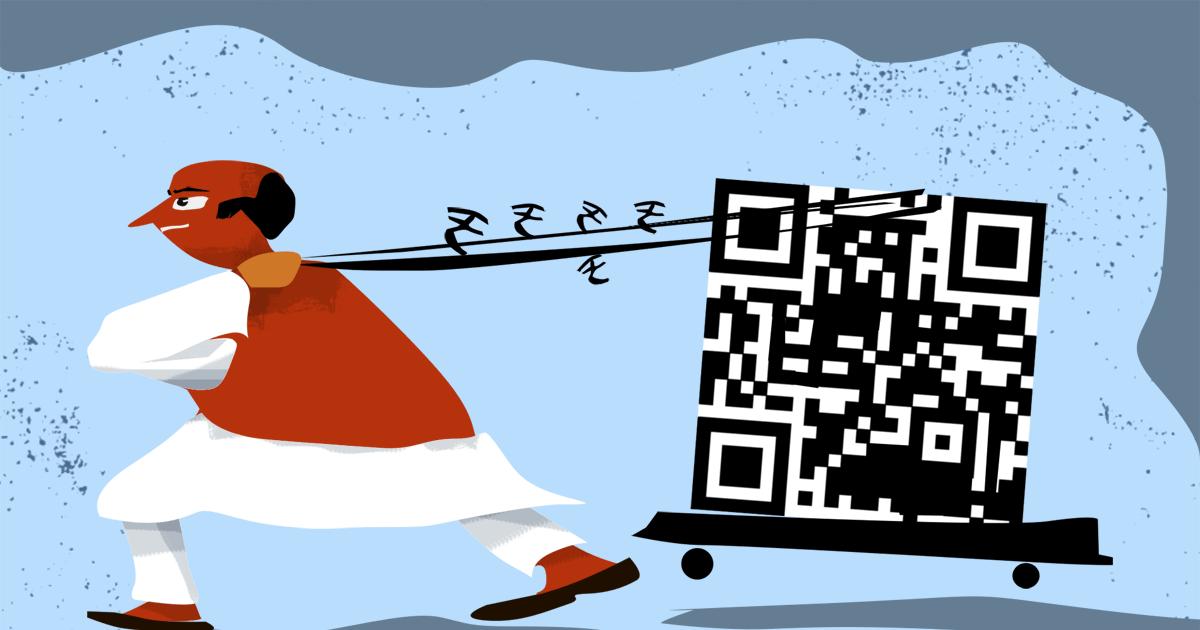
The Indian government says small UPI payments and RuPay debit card payments must stay free.
This means people should not be charged when making or receiving a UPI payment of up to Rs 2,000.
The same protection applies to payments made with RuPay debit cards.
The government has not said whether businesses might have to pay charges for larger UPI transactions.
Until now, UPI payments have not had charges regardless of their size.
Officials say digital payments need money for safety, fraud prevention, and technology improvements.
They also want the system to grow and allow more companies to compete.
UPI has become very popular in India and is now accepted in 11 countries.

The government directed banks and payment providers not to charge UPI transactions up to Rs 2,000 or RuPay debit card payments.
A September 14 gazette notification followed an amendment to Section 10A of the Payment and Settlement Systems Act, 2007.
The notification does not clarify whether merchants may face charges on UPI transactions above Rs 2,000.
The government said a revenue framework could support cybersecurity, fraud prevention, infrastructure upgrades, competition, and market expansion.
UPI transaction value rose from Rs 0.07 lakh crore in FY17 to about Rs 314 lakh crore in FY26, while the system is accepted in 11 countries.
- Who
- The Indian government, banks, payment system providers, the National Payments Corporation of India, merchants, and users of UPI and RuPay payments.
- What
- The government directed that UPI transactions up to Rs 2,000 and RuPay debit card payments remain free of charges.
- Where
- The directive applies to India’s UPI and RuPay payment systems; UPI is also accepted in 11 countries.
- When
- The directive was set out in a gazette notification dated September 14, following legislation passed during the Monsoon Session that concluded on August 13, 2026.
- Why
- The government aims to protect access to digital payments while developing a sustainable funding model for cybersecurity, fraud prevention, infrastructure upgrades, competition, and expansion.
Protecting Free Payments
Building Sustainable Payment Infrastructure
Charges for users and merchants
Protecting Free Payments
The directive protects users from charges on UPI payments up to Rs 2,000 and on RuPay debit card payments. UPI had previously been free regardless of transaction amount.
Building Sustainable Payment Infrastructure
The government said a sustainable revenue model may be needed as transaction volumes grow, although it has not specified charges for transactions above Rs 2,000.
How to fund future growth
Protecting Free Payments
Keeping small payments free supports an inclusive digital payment system and protects widespread access.
Building Sustainable Payment Infrastructure
The government said reliance on subsidies alone is not viable for the next stage of growth and that revenue is needed for cybersecurity, fraud prevention, infrastructure, competition, and market expansion.
Key facts
- UPI transaction limit
- Transactions up to Rs 2,000 must not incur charges.
- RuPay payments
- RuPay debit card payments must remain free of charges.
- Gazette notification
- Dated September 14.
- Legal basis
- An amendment to Section 10A of the Payment and Settlement Systems Act, 2007.
- Charges above Rs 2,000
- The government has not specified whether merchants may be charged.
- International acceptance
- UPI is accepted in 11 countries.
- FY26 transaction value
- About Rs 314 lakh crore, compared with Rs 0.07 lakh crore in FY17.
Sources
Related news

Centre Keeps UPI Payments Up To ₹2,000 Free
India Bars Charges on UPI Payments Up to ₹2,000

Government Bars Charges on UPI Payments Up to ₹2,000

UPI Charges Debate Grows as MDR Framework Opens Higher Payments
Panel to Decide UPI MDR Charges Above ₹2,000 Soon
UPI Sets 0.4% MDR on High-Value Merchant Payments

UPI MDR Move Brings PhonePe IPO Filing Closer

Government Rejects Rethink as UPI Fee Begins October 15

Rahul Gandhi Demands Rollback of Proposed UPI Fee
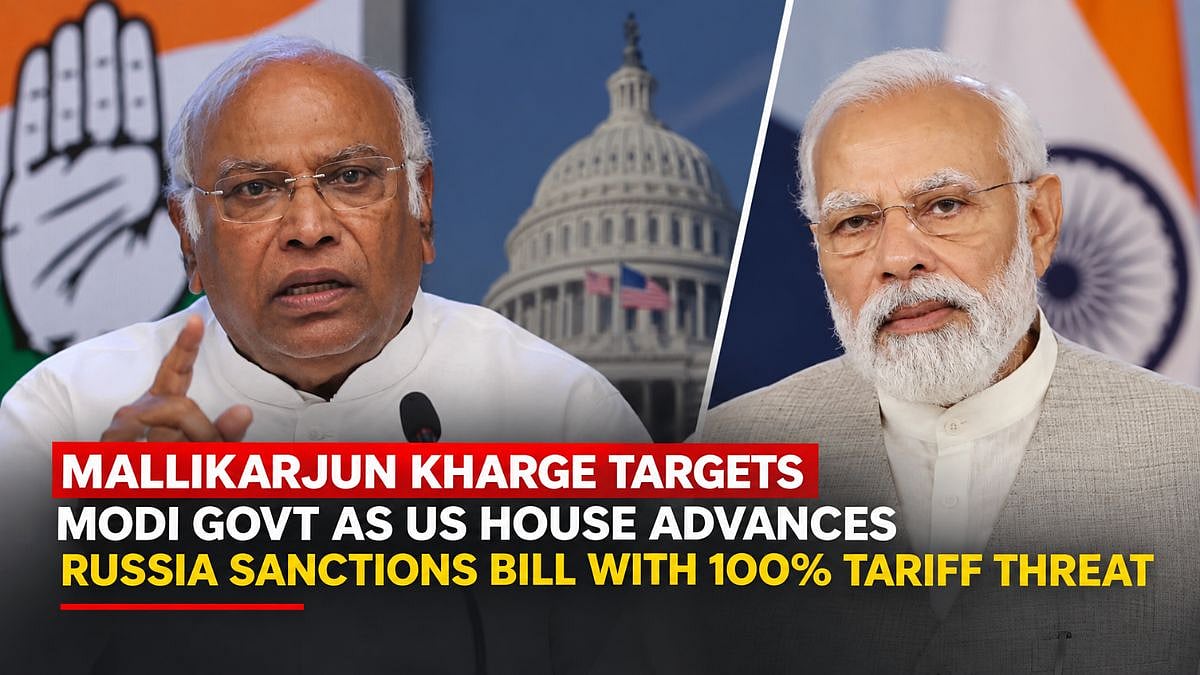
Congress Criticizes Modi Over US Russia Sanctions Tariff Threat
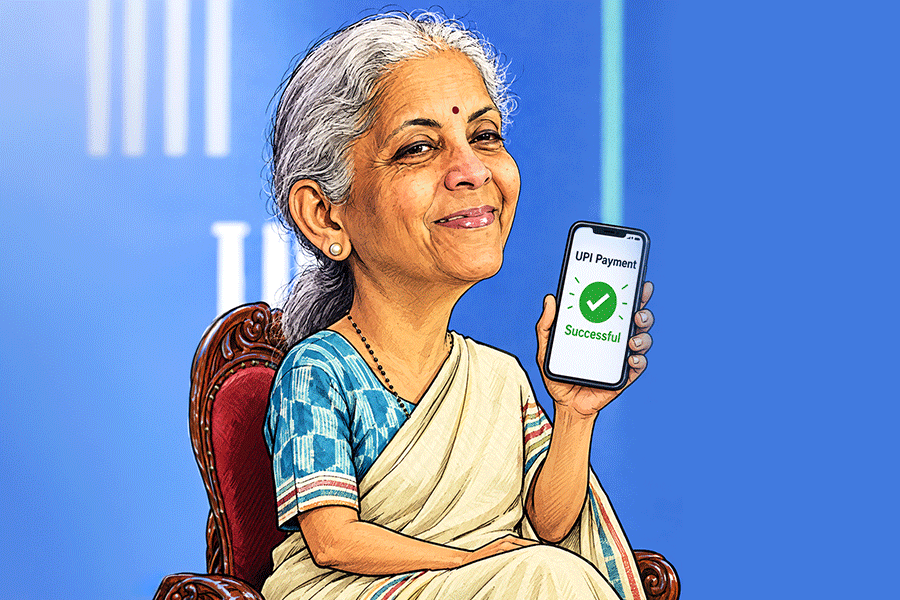
UPI Charge Sparks Memes Over Who Will Ultimately Pay