

1 hr ago
Meta’s Camera Glasses Face Privacy Backlash, Audio-Only Response

Some people use the nickname “pervert glasses” for Meta’s camera-equipped smart glasses.
The nickname spread after videos allegedly showed women being filmed without knowing it.
Critics say the glasses could make harassment and secret recording easier.
Civil liberties groups also objected to possible facial-recognition technology.
An investigation said subcontractor workers in Kenya could see some images and videos captured by the glasses.
Meta said it reviews some content to improve its products and removed some harassment-related material.
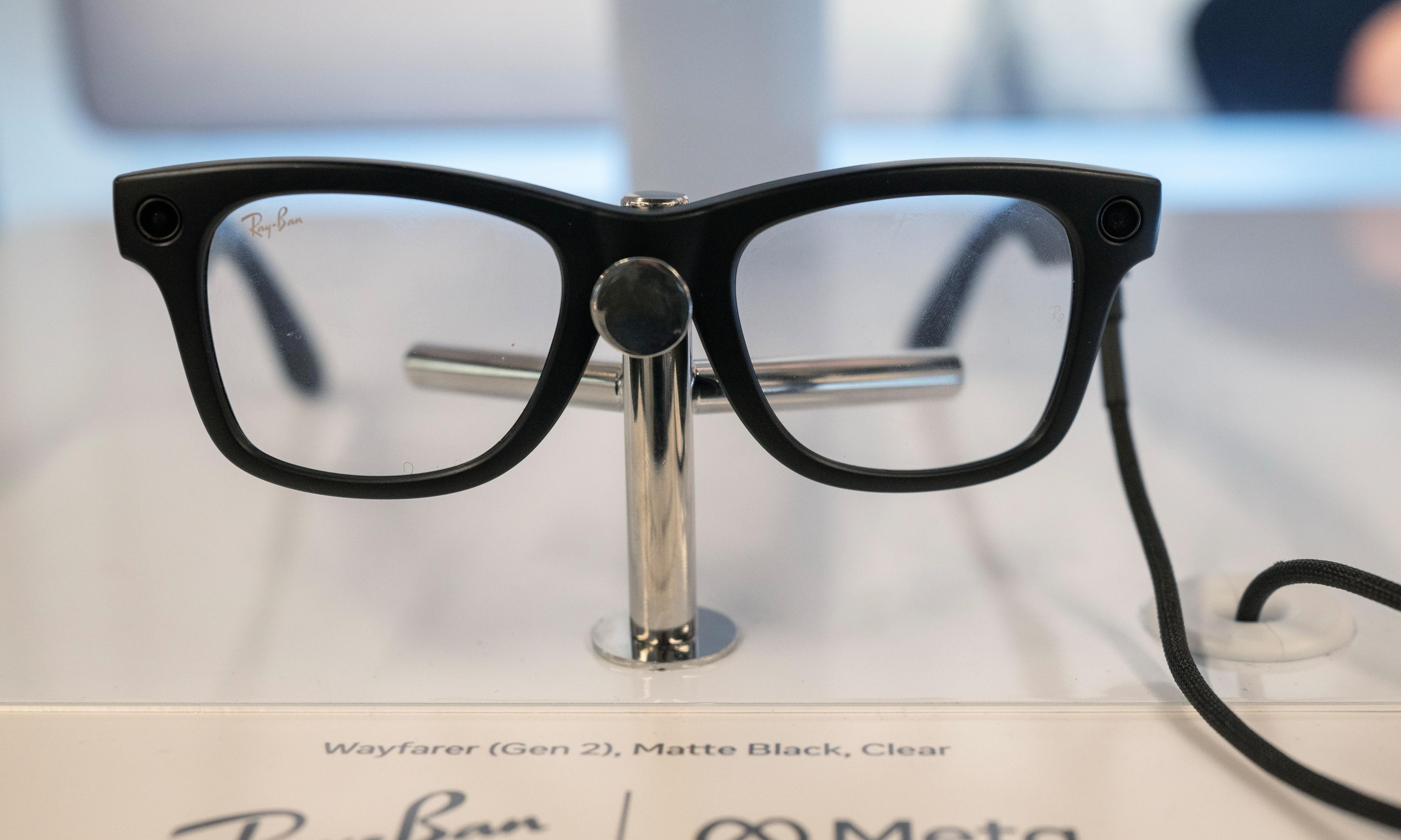
Meta then introduced Ray-Ban Meta Audio glasses without a camera.
They can still play music, make calls, translate speech, and use Meta AI.
However, their microphones could still record or analyze conversations, and people nearby may not know when that is happening.

Social media users dubbed camera-equipped Meta Ray-Ban glasses “pervert glasses” after alleged covert-filming videos appeared.
Critics raised concerns about harassment, unsolicited recordings, facial recognition, and possible access to captured content by subcontracted workers.
Meta said in July 2026 that it would remove harassment and targeting content, including pickup-artist-style videos, and violating creator accounts.
Meta launched $349 Ray-Ban Meta Audio glasses without cameras, while retaining music, calls, translation, and Meta AI features.
Privacy concerns remain because the audio-only glasses use microphones, lack a recording light, and may raise consent issues under some US laws.
- Who
- Meta, privacy and civil-liberties groups, social-media users, influencers, pickup artists, and people recorded by or near the glasses.
- What
- Meta’s camera-equipped Ray-Ban smart glasses faced backlash over alleged covert filming, harassment, facial-recognition concerns, and possible review of captured content; Meta introduced a camera-free audio version.
- Where
- The concerns involve public settings and online platforms; cited legal issues include 12 US states, including California, Illinois, and Washington, while an investigation involved a subcontractor in Kenya.
- When
- Concerns grew in March 2026; Meta announced content and account enforcement in July 2026.
- Why
- Critics fear the glasses can enable recording, stalking, harassment, and analysis of people’s images or conversations without their knowledge or consent.
Privacy and civil-liberties concerns
Meta’s product and policy response
Covert recording and harassment
Privacy and civil-liberties concerns
Critics say camera-equipped glasses can be used to secretly film people and record unsolicited interactions, especially in pickup-artist-style content.
Meta’s product and policy response
Meta said it would remove content involving harassment or targeting people and remove creator accounts that violate its policies.
Facial recognition
Privacy and civil-liberties concerns
Seventy-five civil-liberties organizations, including the American Civil Liberties Union and the Electronic Privacy Information Center, urged Meta to abandon facial-recognition plans because of stalking and harassment risks.
Meta’s product and policy response
The article reports that Meta could be planning facial-recognition code, but it does not provide a detailed public defense of that plan.
Audio-only glasses
Privacy and civil-liberties concerns
The camera-free glasses may reduce secret-filming risks, but microphones can still capture conversations, audio may be transcribed or analyzed, and the glasses lack a recording light.
Meta’s product and policy response
Meta’s Ray-Ban Meta Audio glasses retain smart features such as music, calls, translation, and Meta AI without the camera-based functions.
Review of captured content
Privacy and civil-liberties concerns
An investigation said subcontractor workers in Kenya could view some sensitive images and videos captured by the glasses, raising concerns about privacy and data handling.
Meta’s product and policy response
Meta acknowledged that some review occurs to improve the product and user experience.
Key facts
- Product facing backlash
- Meta Ray-Ban smart glasses with built-in cameras
- Nickname
- “Pervert glasses,” a social-media label rather than the official product name
- New product
- Ray-Ban Meta Audio, an audio-only version without a built-in camera
- Price
- $349
- Available features
- Music, phone calls, speech translation, and conversations with Meta AI
- Meta enforcement
- In July 2026, Meta said it would remove harassment and targeting content and accounts that violated its policies
- Facial-recognition opposition
- Seventy-five civil-liberties organizations, including the American Civil Liberties Union and the Electronic Privacy Information Center, urged Meta to abandon facial-recognition plans
- Consent concern
- Twelve US states, including California, Illinois, and Washington, have all-party consent rules for certain confidential conversations
Sources
Related news

Meta Launches Camera-Free Ray-Ban Audio Glasses Amid Privacy Backlash
Meta Fixes AI Glasses Loophole Amid Privacy Concerns

Meta Reportedly Prepares Camera-Free Luna Glasses Amid Privacy Scrutiny

India's Smart Glasses Boom Raises New Privacy Threats

Meta expected to unveil camera-free smart glasses amid privacy concerns
Meta Smart Glasses Face Scrutiny Over Privacy And Data Risks

US Targets Birth-Tourism Networks With New Visa Restrictions

Melania Trump and Peng Liyuan Explore Asian Art Museum

US senators seek permanent ban on Chinese-connected vehicles

Indian-Origin Tech Leaders Join Trump-Xi White House State Dinner
