1 hr ago
Meta expected to unveil camera-free smart glasses amid privacy concerns

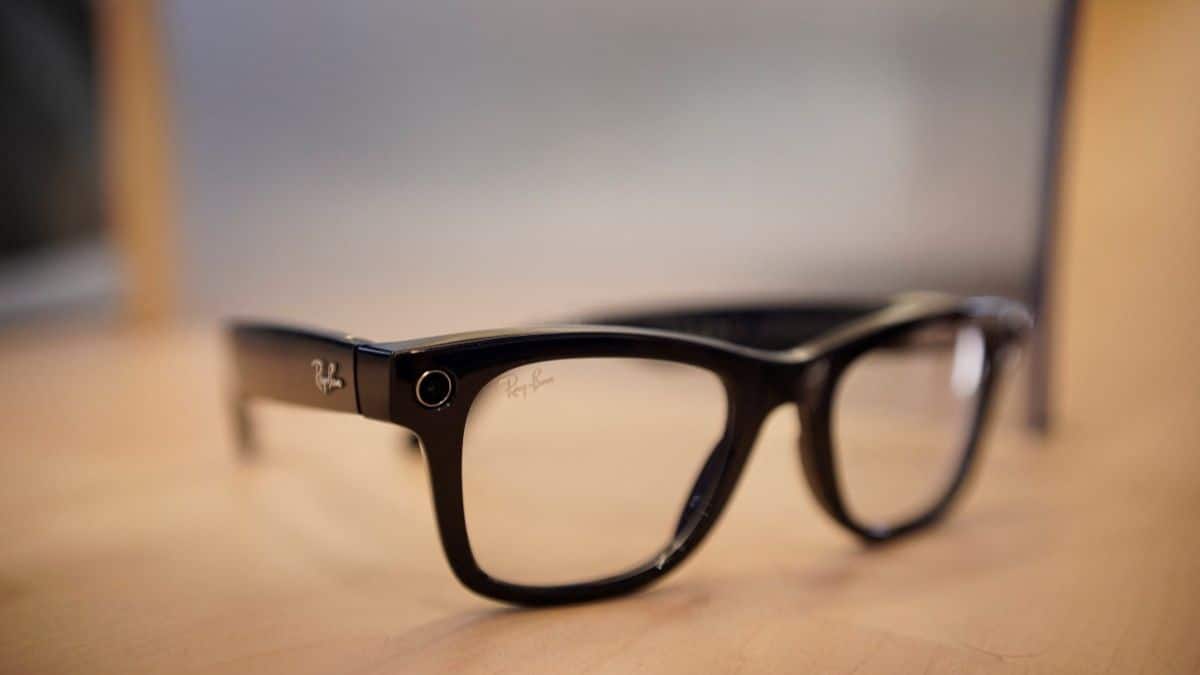
Meta is expected to show new smart glasses at its Connect conference.
Some of the new glasses may not have cameras.
This is meant to address concerns that people could be recorded without permission.
Meta’s existing glasses have become very popular, with more than 7 million sold last year.
Some businesses in the United Kingdom have limited where people can wear them.
Meta is also facing a proposed lawsuit about how recordings and privacy protections were handled.
The company disputes those allegations.
Analysts say glasses without cameras could still record sound and might seem less useful than regular earbuds.
Meta may also show updated camera glasses and new augmented-reality glasses.

Meta is expected to introduce camera-free smart glasses in two styles, Clubmaster and Burbank, at its annual Connect conference.
The company may also announce updated camera-equipped Meta Ray-Ban glasses and thinner augmented-reality glasses reportedly code-named Phoenix.
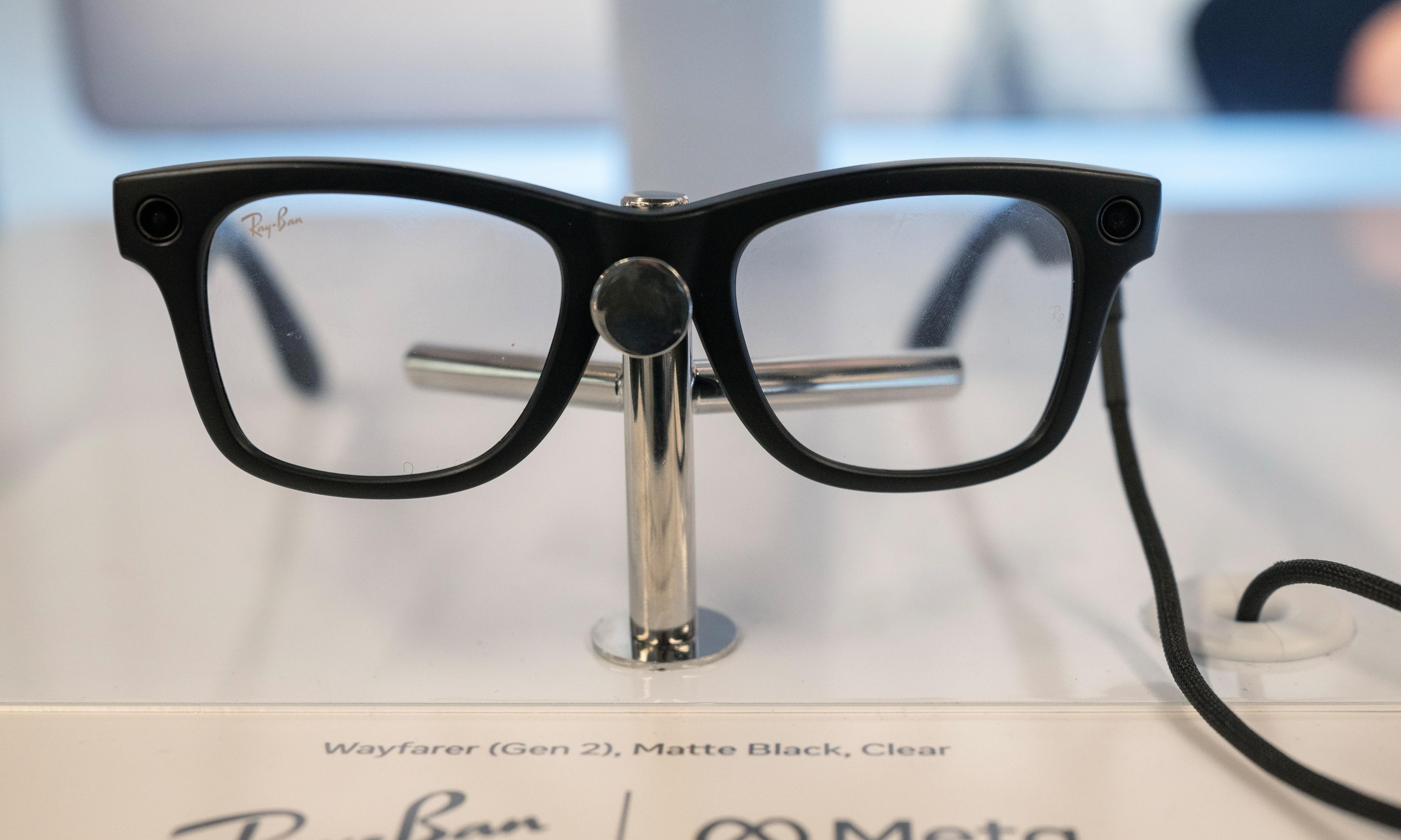
Sales of Meta’s glasses developed with EssilorLuxottica surpassed 7 million last year, making Meta an early market leader.
Privacy concerns have led some restaurants, pubs and theaters in the United Kingdom to restrict the glasses’ use.
Analysts warn that microphones can still raise privacy concerns and that removing cameras could reduce consumer demand.
- Who
- Meta Platforms, with products developed with EssilorLuxottica, is expected to announce the glasses; analysts and privacy critics have raised concerns.
- What
- Meta is expected to unveil camera-free smart glasses, along with possible updates to its camera-equipped glasses and augmented-reality glasses.
- Where
- The announcements are expected at Meta’s annual Connect conference; privacy-related restrictions and concerns have been reported in the United Kingdom and California.
- When
- At Meta’s annual Connect conference on Wednesday.
- Why
- The camera-free models are expected amid growing concern about covert recording and privacy, although analysts question whether removing cameras will resolve those concerns.
Privacy critics and skeptical analysts
Meta and smart-glasses momentum
Whether camera-free glasses solve privacy concerns
Privacy critics and skeptical analysts
Removing cameras may not be enough because microphones and audio collection could create similar, though potentially lesser, concerns.
Meta and smart-glasses momentum
Camera-free models could respond to concerns about people being covertly recorded through images and video.
Whether consumers will want camera-free glasses
Privacy critics and skeptical analysts
Without cameras or a heads-up display, the glasses may offer mainly voice interaction, microphones and speakers, making consumers question why they need them instead of Bluetooth earbuds.
Meta and smart-glasses momentum
Meta’s existing glasses have sold more than 7 million units, suggesting strong consumer interest in smart-glasses products.
Allegations about uploaded recordings
Privacy critics and skeptical analysts
A proposed California class action alleges that Meta misled users about privacy protections and that human annotators viewed and labeled private footage uploaded to its servers.
Meta and smart-glasses momentum
Meta contests the allegations and plans to defend itself.
Key facts
- Expected camera-free styles
- Clubmaster and Burbank
- Existing glasses sales
- More than 7 million last year
- Development partner
- EssilorLuxottica
- Possible augmented-reality model
- Phoenix
- Main privacy concern
- Covert recording of people without their consent
- Business restrictions
- Several United Kingdom restaurants, pubs and theaters have restricted use
- Legal challenge
- A proposed California class action alleges Meta misled users about privacy protections and that human annotators viewed and labeled uploaded footage
Quotes
Linda Sui
Founder of Smart Analytics Global, a market research firm
“More importantly, removing the camera from glasses that also lack a heads-up display will create a product differentiation challenge. Consumers may ask why they need smart glasses rather than Bluetooth earbuds if the primary experience is limited to voice interaction, microphones and speakers.”
 CNBC TV 18
“Microphones and audio collection could trigger similar concerns, although likely to a lesser degree.”
CNBC TV 18
Sources
Related news

Meta Reportedly Prepares Camera-Free Luna Glasses Amid Privacy Scrutiny

Meta Unveils AI Ambitions Amid Smart Glasses Privacy Pushback
Meta Fixes AI Glasses Loophole Amid Privacy Concerns

Delhi Man Challenges Meta Over Alleged Smart-Glasses Recording
Australia Considers Smart-Glasses Ban Over Privacy Concerns
Meta Smart Glasses Face Scrutiny Over Privacy And Data Risks

France Probes Smart Glasses Misuse Amid Privacy and Harassment Concerns

Armani Enters Pivotal Year as Stake Sale Plans Advance