

1 hr ago
US senators seek permanent ban on Chinese-connected vehicles

Two US senators want a permanent law limiting Chinese-connected cars and parts in the United States.
They say modern cars collect personal, location and operating information.
They also say some connected vehicles could possibly be accessed or controlled from far away.
The proposed law would cover cars, software, communications systems and some hardware linked to foreign adversaries.
Software restrictions would begin for vehicles made for the 2027 model year.
Some hardware restrictions would begin in 2030.
The bill has passed the Senate Commerce Committee but still needs approval from the full Senate and House.
The United States already has a 100 percent tariff on Chinese electric vehicles.
Some lawmakers, labor groups and US automakers are concerned that Chinese companies could compete with US manufacturers using state support.

Senators Bernie Moreno and Elissa Slotkin urged action on the Connected Vehicle Security Act of 2026.
The bill would prohibit imports, manufacturing and sales of connected vehicles linked to China and other foreign adversaries.
It would cover vehicle software, communications systems and certain hardware connected to companies based in or controlled by those countries.
Software restrictions would apply to model-year 2027 vehicles, while certain hardware restrictions would begin in 2030.
Supporters cite risks involving sensitive data, remote access, espionage and disruption of critical infrastructure.
- Who
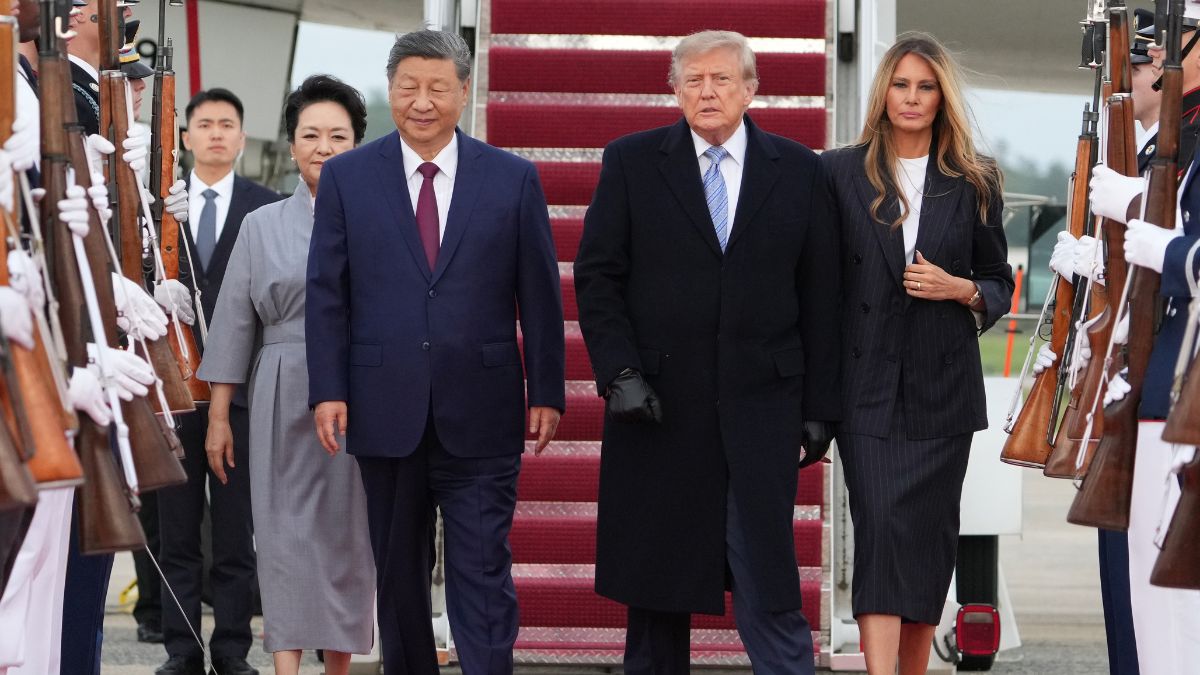
- Republican Senator Bernie Moreno and Democratic Senator Elissa Slotkin are promoting the legislation, while President Donald Trump and Chinese President Xi Jinping were meeting in Washington.
- What
- The senators sought consideration of the Connected Vehicle Security Act of 2026, which would restrict Chinese-connected vehicles and components in the United States.
- Where
- The senators spoke on the Senate floor in Washington, while Trump and Xi met at the White House.
- When
- The Senate push took place on Thursday; software restrictions would apply to model-year 2027 vehicles and certain hardware restrictions would begin in 2030.
- Why
- Supporters say connected vehicles can collect sensitive information and could be remotely accessed, creating surveillance, espionage, cyber-intrusion and critical-infrastructure risks.
Supporters of permanent restrictions
Critics and competition concerns
Vehicle data and remote access
Supporters of permanent restrictions
Moreno and Slotkin argue that connected vehicles can transmit large amounts of personal, operational and location data and may be remotely accessed or controlled.
Critics and competition concerns
The articles do not identify a specific lawmaker or organization opposing the security rationale, but note concerns that broad restrictions could affect future vehicle manufacturing and market competition.
Chinese manufacturing in the United States
Supporters of permanent restrictions
Supporters seek restrictions in federal law so a future administration would have less ability to reverse or waive them without congressional scrutiny.
Critics and competition concerns
Trump has indicated he could accept Chinese companies manufacturing vehicles in the United States, prompting concern among some lawmakers, labor organizations and US automakers about state-supported Chinese competition.
Key facts
- Bill status
- The bill was unanimously approved by the Senate Commerce Committee but has not received final approval from the full Senate or House.
- Covered products
- The proposal covers connected vehicles, vehicle software, communications systems and certain hardware linked to foreign adversaries.
- Software start date
- Restrictions on covered foreign-adversary software would apply to vehicles manufactured for model year 2027 or later.
- Hardware start date
- Restrictions involving certain connectivity hardware would take effect in 2030.
- Existing tariff
- The Trump administration imposes a 100 percent tariff on Chinese electric vehicles.
- Potential penalties
- Violations could carry civil penalties of at least $1.5 million or five times the transaction value.
- Security concerns
- The bill cites risks involving sensitive data, surveillance, espionage, cyber intrusion and disruption of critical infrastructure.
Quotes
Connected Vehicle Security Act of 2026
Proposed US legislation describing data risks from connected vehicles
“vast amounts of sensitive data, including geolocation, operational, and personal information”
 thehansindia.com
Sources
Related news
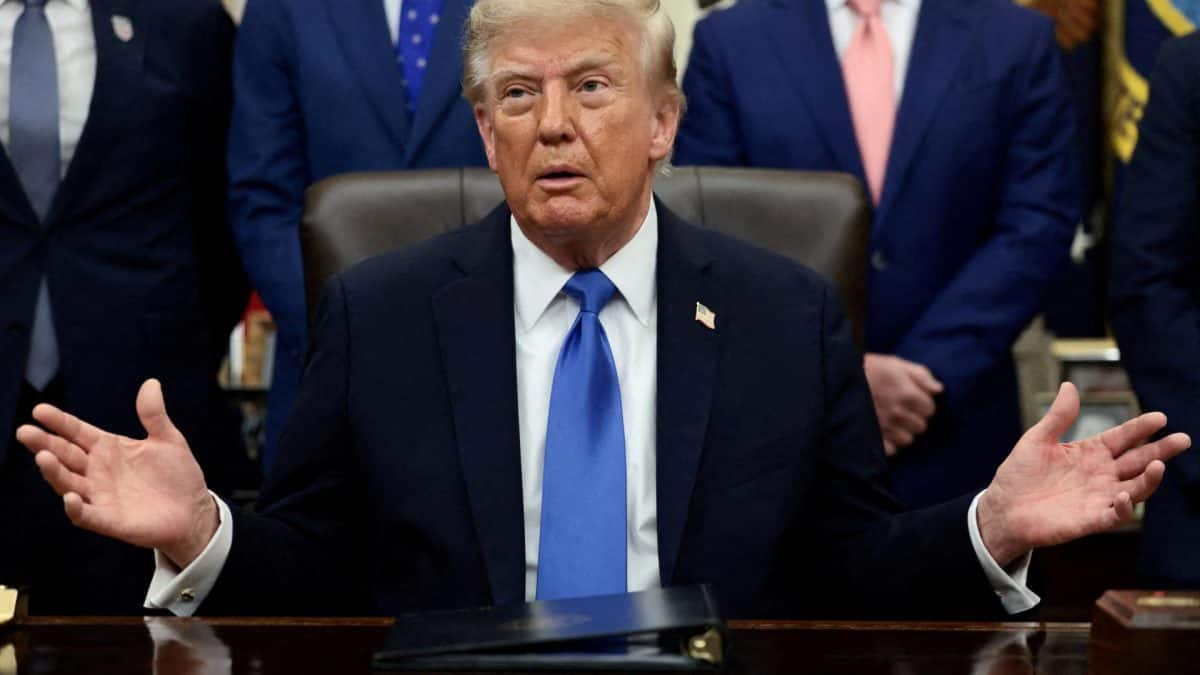
US Auto Industry Urges Trump to Block Chinese Automakers
Bipartisan Bill Seeks Review of Chinese Tech Bans

US Auto Industry Urges Trump to Block Chinese Carmakers

Trump Open to Chinese Car Plants as Xi Visits India
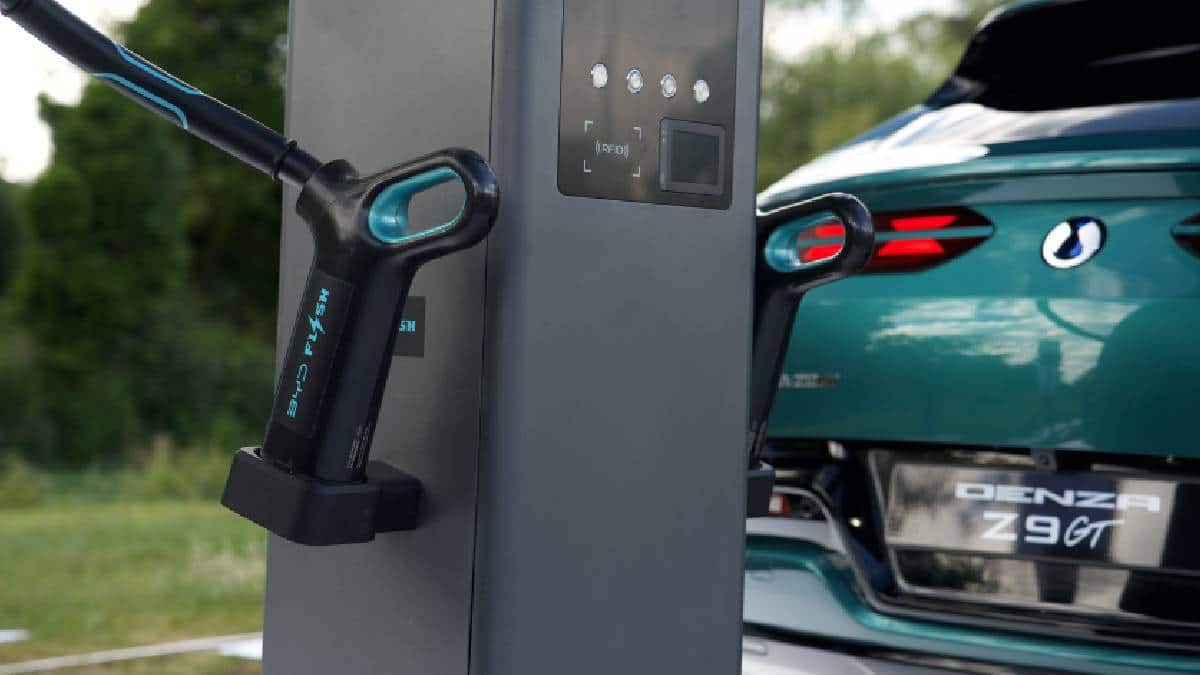
US Automakers Press Congress to Restrict Chinese Vehicles

Report Warns Chinese Devices Threaten Western Infrastructure Security

Melania Trump and Peng Liyuan Explore Asian Art Museum
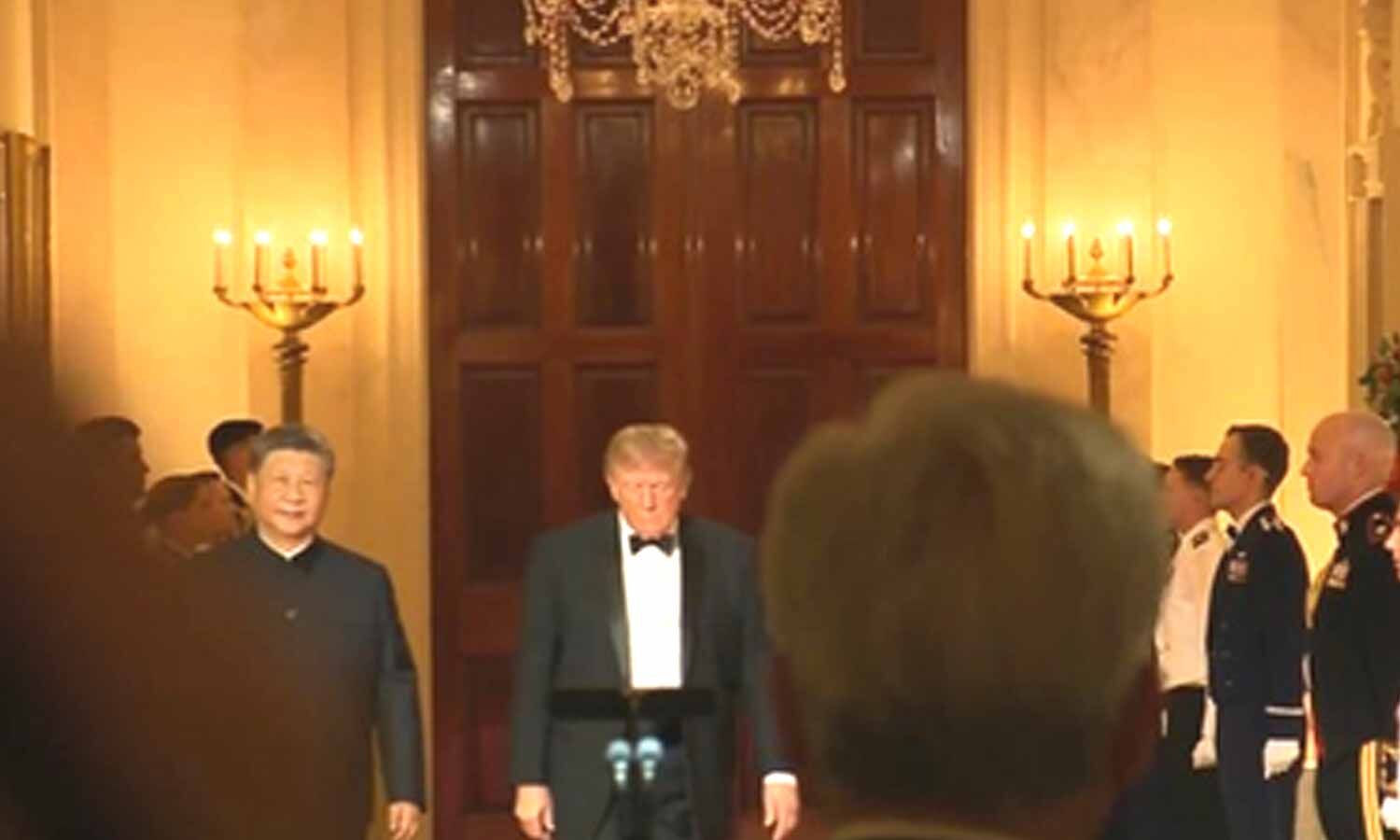
Trump Hosts Xi at State Dinner With Tech Leaders

Trump and Xi Discuss Taiwan and U.S.-China Relations

Trump-Xi Meeting Brings Suspected Chinese Low-Yield Tests Into Focus
