4 days ago
Iran vows resistance, challenges legality of US attack

An Iranian legal official said Iran believes the United States attacked it for reasons beyond nuclear concerns.
He said Iran plans to keep resisting pressure and military action.
He also said sanctions have hurt ordinary people, especially patients needing medicines.
Iran says the Strait of Hormuz is still open, but it may reject ships linked to countries that attacked Iran.
The official argued that countries cannot start wars based only on fears about a possible future threat.
He said attacks must follow international legal rules and avoid unnecessary harm to civilians.
Iran wants foreign military bases to leave the region.
It is also collecting evidence and considering legal cases against those it says were responsible.

Dr Hasan Abdolianpour said Iran views the US campaign as an attempted regime-change effort, not solely a response to nuclear concerns.
He said Iran remains united and will use its experience with sanctions to sustain resistance, despite humanitarian effects including shortages of medicines and medical supplies.
Iran says the Strait of Hormuz remains open to navigation but rejects passage by vessels from states that attacked or directly supported attacks on Iran.
Abdolianpour argued that anticipatory self-defence requires evidence of a real, imminent threat and cannot become a general licence for war.
Iran says it is documenting alleged violations and considering proceedings through universal jurisdiction, the ICJ and the ICC.
- Who
- Dr Hasan Abdolianpour, speaking on behalf of Iran, discussed the country’s response to the United States and its supporters.
- What
- Iran says it will resist the attacks, challenge their legality, restrict passage by vessels linked to attacking states, and pursue accountability through legal channels.
- Where
- The interview was conducted in New Delhi, India, during the BRICS Legal Forum meeting, while the dispute concerns Iran and the wider Gulf region.
- When
- The interview took place recently during the ongoing war in West Asia; no specific date was provided.
- Why
- Iran argues that the attacks were not legally justified, that foreign military bases should leave the region, and that those responsible should face legal scrutiny.
Iranian legal and political position
Justifications attributed to Iran’s opponents
Purpose of the attack
Iranian legal and political position
Iran says the US objective was regime change rather than simply addressing civil-rights or nuclear concerns.
Justifications attributed to Iran’s opponents
The interview refers to US security concerns, including Iran’s military capabilities, nuclear activities, missile capabilities and regional developments, but does not provide a direct statement from the United States or Israel.
Use of force
Iranian legal and political position
Iran argues that a perceived or speculative threat cannot justify an armed attack and that Article 51 of the UN Charter must not become a general licence for war.
Justifications attributed to Iran’s opponents
The opposing justification discussed in the interview is anticipatory self-defence, under which a state may claim the need to act against an expected security threat; the interviewee says this requires necessity and imminence.
Strait of Hormuz access
Iranian legal and political position
Iran says the strait is open and recognises innocent passage, but does not accept passage by vessels from states that attacked or directly supported attacks on Iran.
Justifications attributed to Iran’s opponents
The interview does not include a direct response from Oman, the United States or other affected states regarding the legality of Iran’s proposed restrictions.
Key facts
- Interviewee
- Dr Hasan Abdolianpour, head of Iran’s Centre for Attorneys of the Judiciary
- Iran’s position on Hormuz
- The Strait of Hormuz remains open to navigation, but Iran rejects passage by vessels belonging to states that attacked or directly supported attacks on Iran.
- Sanctions
- Abdolianpour said Iran has faced US and other sanctions since the beginning of the Islamic Revolution, with serious humanitarian effects.
- Legal argument
- Iran says anticipatory self-defence requires evidence of a real, specific and imminent danger, not a speculative future threat.
- Potential legal avenues
- Iran is considering universal jurisdiction and proceedings through the International Court of Justice and International Criminal Court.
- Foreign military bases
- Iran says foreign military bases should leave the region and may seek accountability from countries that hosted or supported US operations.
- Relations with neighbours
- Iran says it remains interested in peaceful relations and could restore ties if the conflict ends and conditions return to normal.
Quotes
Dr Hasan Abdolianpour
Head of Iran’s Centre for Attorneys of the Judiciary and an Iranian legal official
“We are documenting the crimes and violations committed while exploring legal avenues, including universal jurisdiction and international courts such as the International Court of Justice (ICJ) and International Criminal Court (ICC).”
 thestatesman.com
“We understood from the outset that the American objective was to support protests as part of an effort to bring about regime change, rather than simply address the so-called civil rights concerns in Iran.”
thestatesman.com
Sources
Related news

Iran Challenges Legal Basis of US-Israeli Military Strikes
Iran Ties Strait of Hormuz Reopening to US Concessions

Iran Rejects US Hormuz Claim Amid Ceasefire and Missile Dispute
Iran Issues Sweeping Demands for Strait of Hormuz Reopening

Iran threatens offensive in Hormuz as US peace talks stall
Oil Falls as US Prepares Tougher Sanctions, Iran Threatens Retaliation

Iran Seizes Fuel-Smuggling Vessel in Gulf, Arrests 11 Crew
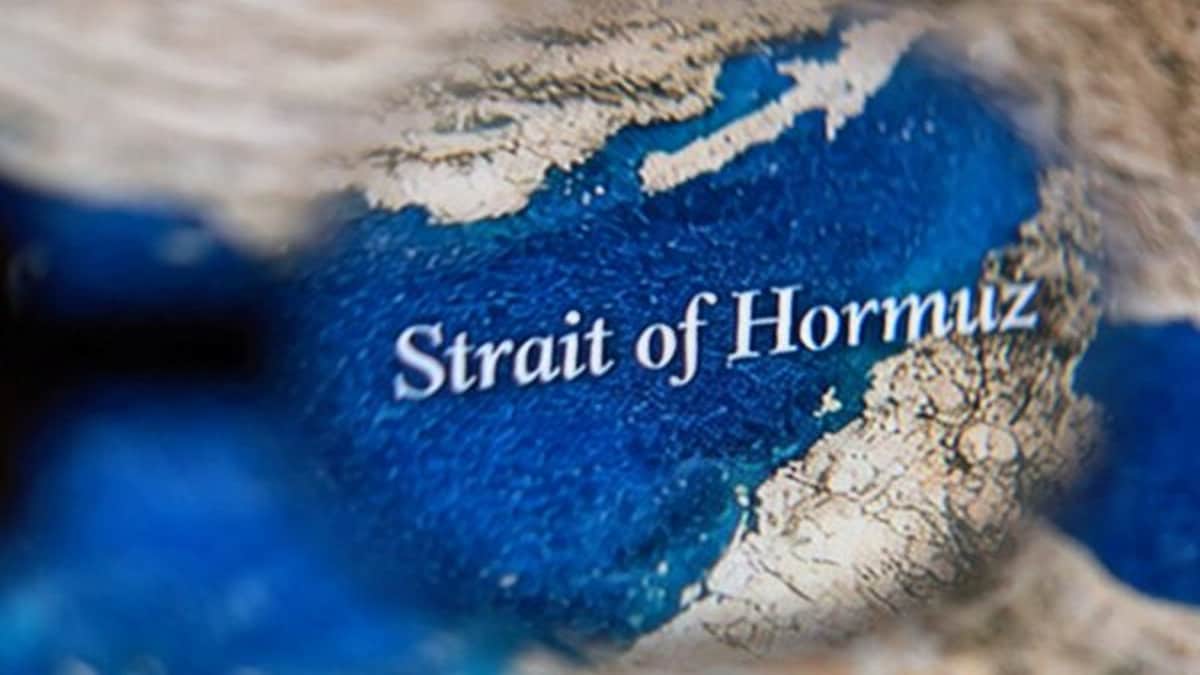
Trump Floats Renaming Strait of Hormuz as “Trump Strait”

Chevron Plans $7 Billion Venezuela Expansion Amid U.S. Oil Push
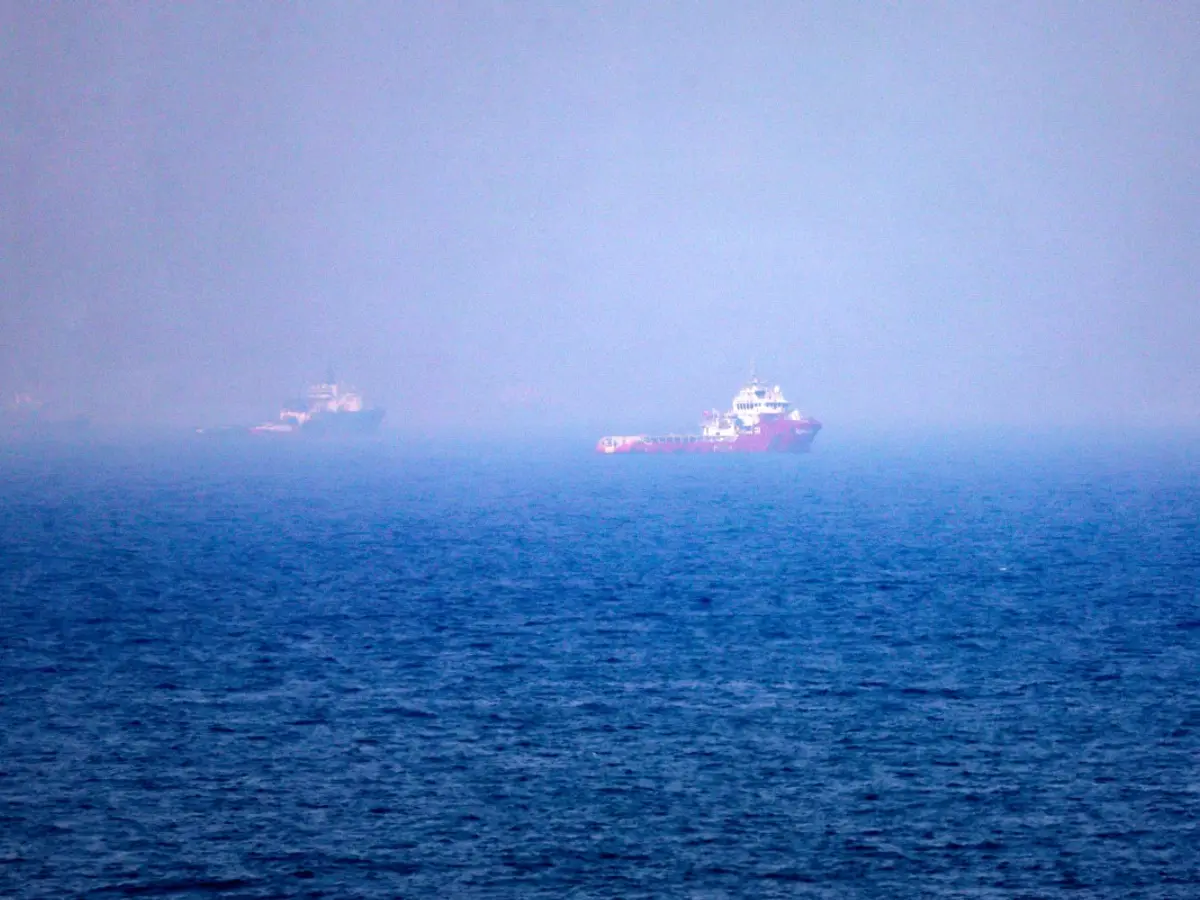
Saudi Tanker Hit in Hormuz, Killing Two Filipino Sailors
U.S.-Iran Exchange Escalates Across Middle East, Markets Slide