1 hr ago
Shah Sets 2029 UCC Goal Through State-by-State Implementation
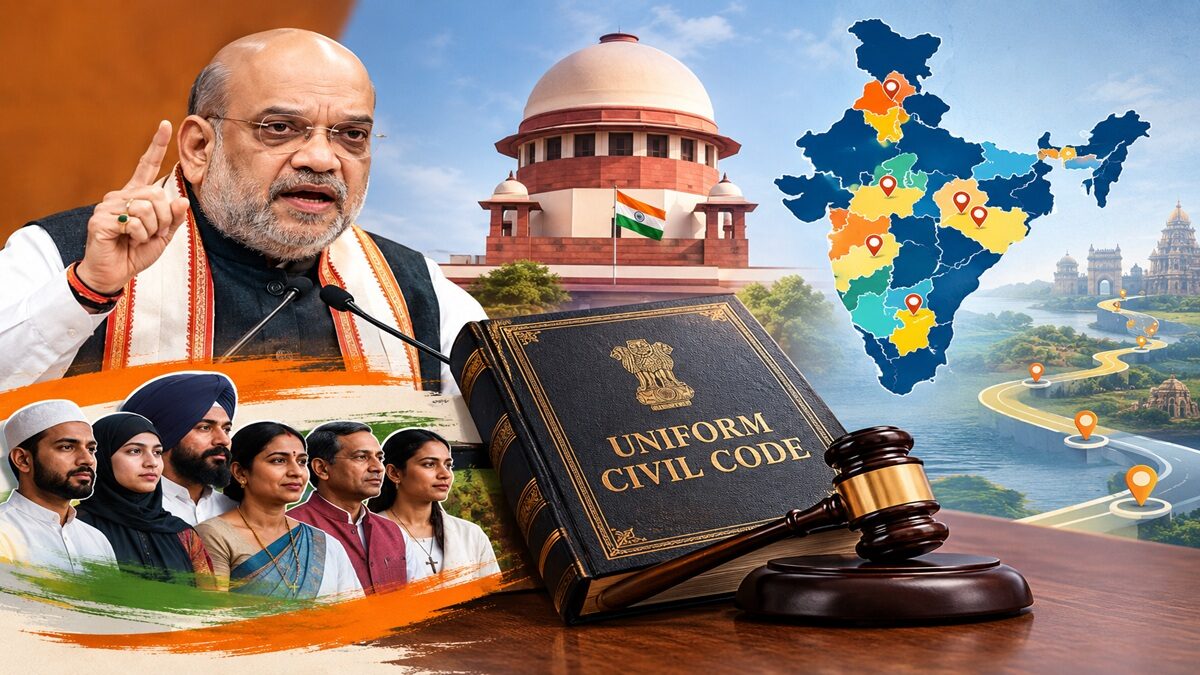
A Uniform Civil Code, or UCC, would create common rules for matters such as marriage, divorce and inheritance.
Home Minister Amit Shah said BJP-led states should adopt these rules before the 2029 national election.
Four states have passed UCC laws, but only Uttarakhand has started using its law.
The laws are similar but contain some state-specific differences.
They generally ban polygamy and require certain relationships to be registered.
Scheduled Tribe communities are excluded from the laws.
Supporters say the UCC can promote equal rights and social reform.
Critics worry it could weaken religious and cultural protections.
Some allies of the BJP want the rules to be created through discussion and agreement.
The debate also involves constitutional rights, customary practices and India’s religious diversity.

Amit Shah said all 21 BJP-led NDA-ruled states would implement the Uniform Civil Code before the 2029 Lok Sabha elections.
Uttarakhand, Gujarat, Assam and Madhya Pradesh have passed UCC legislation, but only Uttarakhand’s law is currently in force.
The state-level laws broadly address marriage, divorce, succession, polygamy and live-in relationships, with Madhya Pradesh also covering adoption, triple talaq and nikah halala.
Scheduled Tribes are excluded from all four laws, while Uttarakhand also exempts some communities protected by constitutional customary-law provisions.
Opposition parties and some NDA allies have called for consultation and consensus, while Asaduddin Owaisi accused the BJP of targeting Muslims rather than pursuing equality.
- Who
- Union Home Minister Amit Shah and the BJP-led NDA are promoting the Uniform Civil Code; opposition parties, some NDA allies and Asaduddin Owaisi have raised objections or called for consultation.
- What
- Shah set a goal for UCC implementation in all 21 NDA-ruled states before the 2029 Lok Sabha elections, using state-level legislation rather than an immediate national law.
- Where
- The announcement was made in Mumbai, and the state-level UCC laws discussed concern Uttarakhand, Gujarat, Assam, Madhya Pradesh and potentially Maharashtra.
- When
- Shah announced the target on September 13, 2026; Maharashtra Chief Minister Devendra Fadnavis discussed the state’s committee on September 14, 2026.
- Why
- The BJP presents the UCC as a social-reform and equal-rights measure, while the state-by-state approach allows different laws to account for local customs, tribal protections and political conditions.
Supporters and BJP position
Critics and cautious allies
Purpose of the UCC
Supporters and BJP position
The BJP presents a common civil code as an equal-rights and social-reform measure and as a longstanding party commitment.
Critics and cautious allies
Opposition parties and Asaduddin Owaisi argue that the initiative could impose majority preferences on minorities and target Muslims rather than advance equality.
State-by-state implementation
Supporters and BJP position
The BJP’s state-first approach can test different models, accommodate local customs and tribal exemptions, and avoid the immediate complexity of a single national law.
Critics and cautious allies
Critics question variations between state laws and seek wider consultation; JD(U) and TDP have called for consensus and protection of minority interests.
Uniformity and cultural protections
Supporters and BJP position
Supporters say common rules for marriage, inheritance and related matters can strengthen equal treatment and governance.
Critics and cautious allies
The 2018 Law Commission consultation paper said a UCC was neither necessary nor desirable at that stage and favored reform within personal laws while preserving India’s diversity.
Key facts
- Target
- UCC implementation in all 21 BJP-led NDA-ruled states before 2029
- States with passed legislation
- Uttarakhand, Gujarat, Assam and Madhya Pradesh
- Law currently in force
- Uttarakhand’s UCC took effect in January 2025
- Common provisions
- Rules on marriage, divorce and succession; bans on polygamy; and registration requirements for live-in relationships
- State variation
- Madhya Pradesh also covers adoption and includes provisions related to triple talaq and nikah halala
- Tribal exemption
- Scheduled Tribes are excluded from all four state codes
- Constitutional basis
- Article 44 directs the state to pursue a UCC, but it is a non-enforceable Directive Principle under Article 37
Quotes

Devendra Fadnavis
Maharashtra Chief Minister
“First, you need to understand that the BJP is not pursuing the UCC for the sake of equality. They have introduced the UCC in their states and at the government level solely to target India’s 18 crore Muslims; in doing so, the BJP and Amit Shah are acting in contravention of Articles 25 (Freedom of Religion), 14 (Right to Equality), 26, and 29 of the Indian Constitution”
 financialexpress.com
“Look, the Maharashtra government has already formed a committee to prepare the Uniform Civil Code. The committee is working, and I believe that once the committee submits its report, we will implement it soon”
financialexpress.com
Sources
Related news
Amit Shah Pushes State-By-State UCC Rollout Before 2029

Amit Shah Sets 2029 UCC Rollout Target Across 21 States

Amit Shah Targets UCC Across 21 States By 2029
Amit Shah Says UCC Will Reach 21 States Before 2029
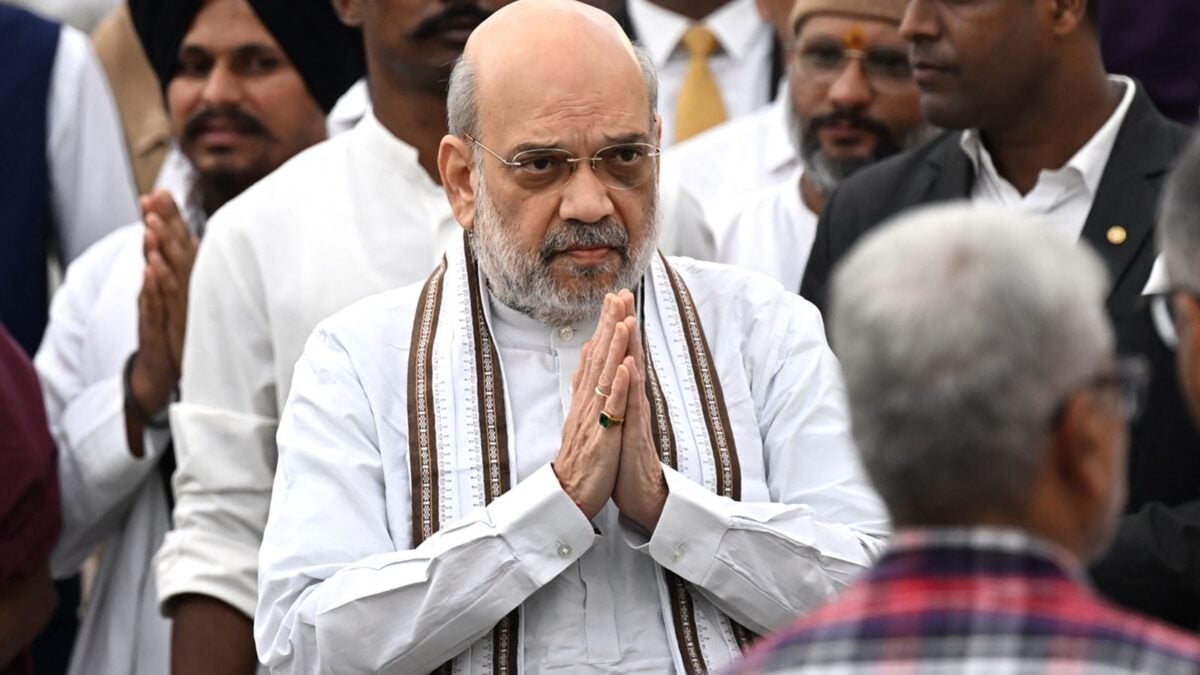
NDA Allies Split Over Amit Shah’s Uniform Civil Code Push
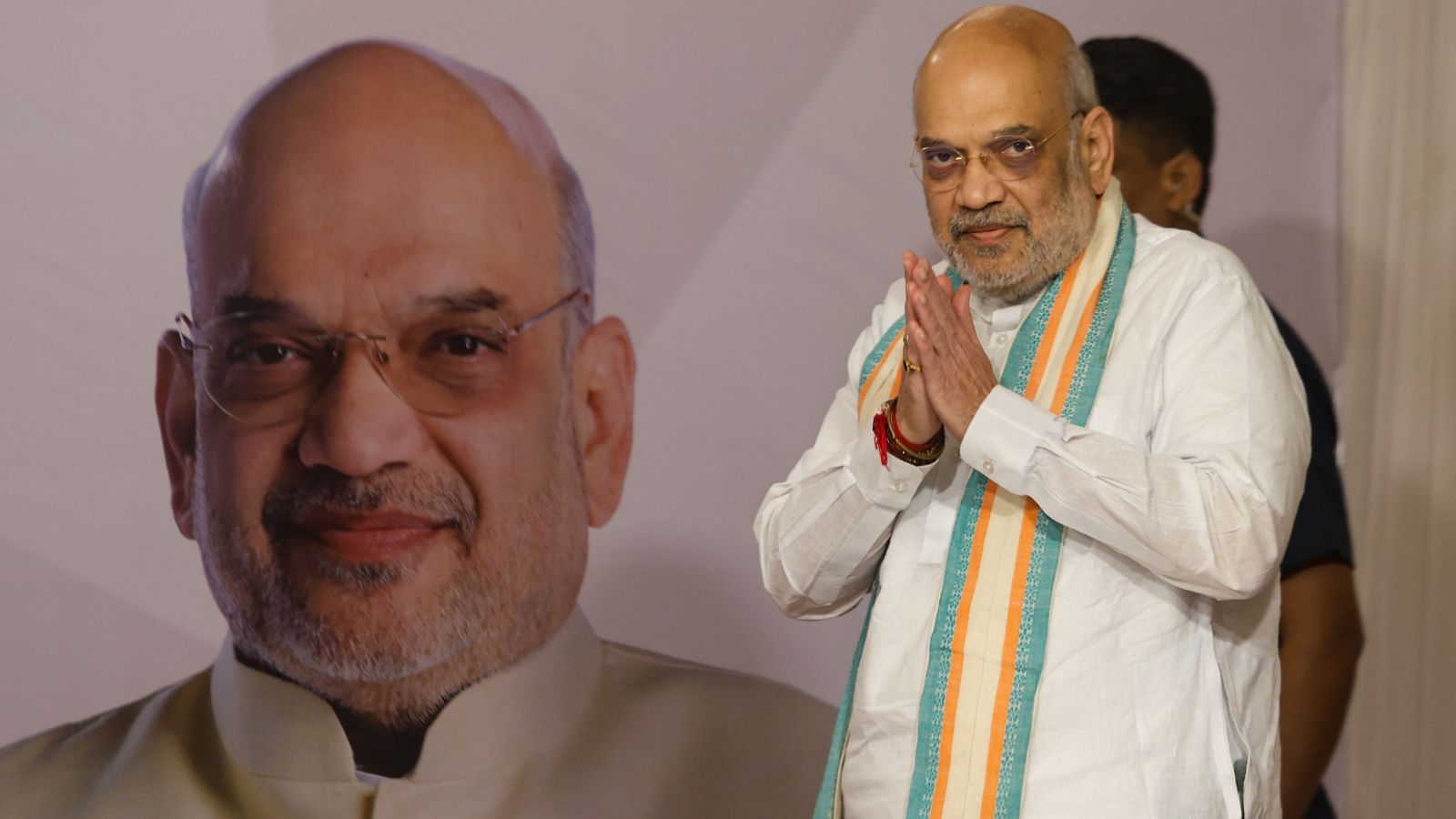
Amit Shah Sets 2029 UCC Deadline as Maharashtra Delays Consultations
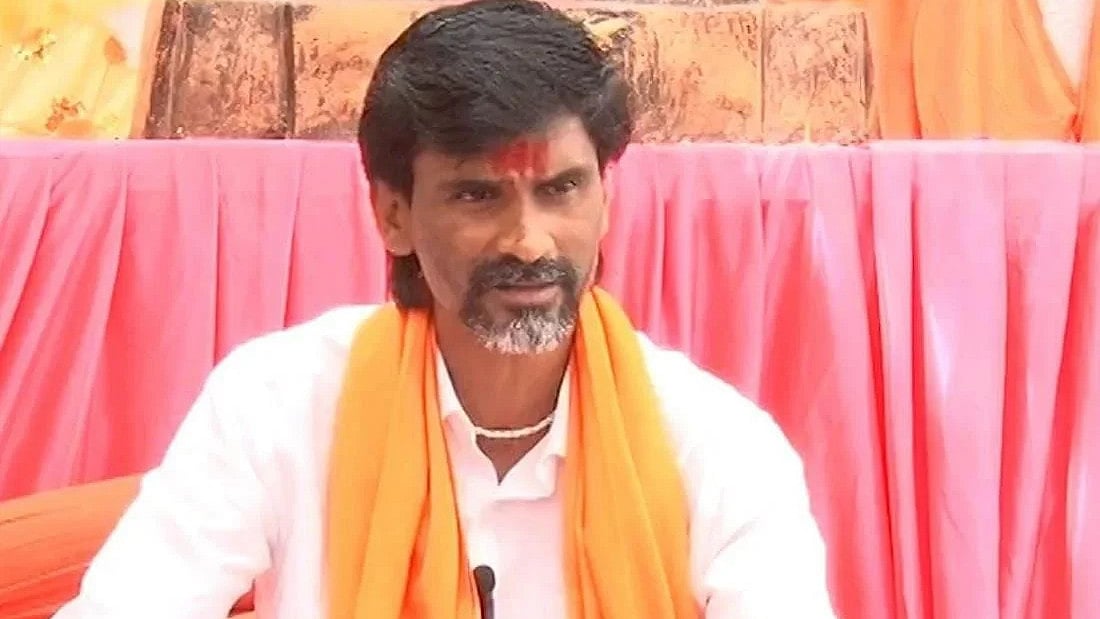
Manoj Jarange Ends Maratha Quota Fast, Sets Three-Month Deadline

Amit Thackeray Says Fadnavis, Shinde Must Explain Ganesh Visit Absence
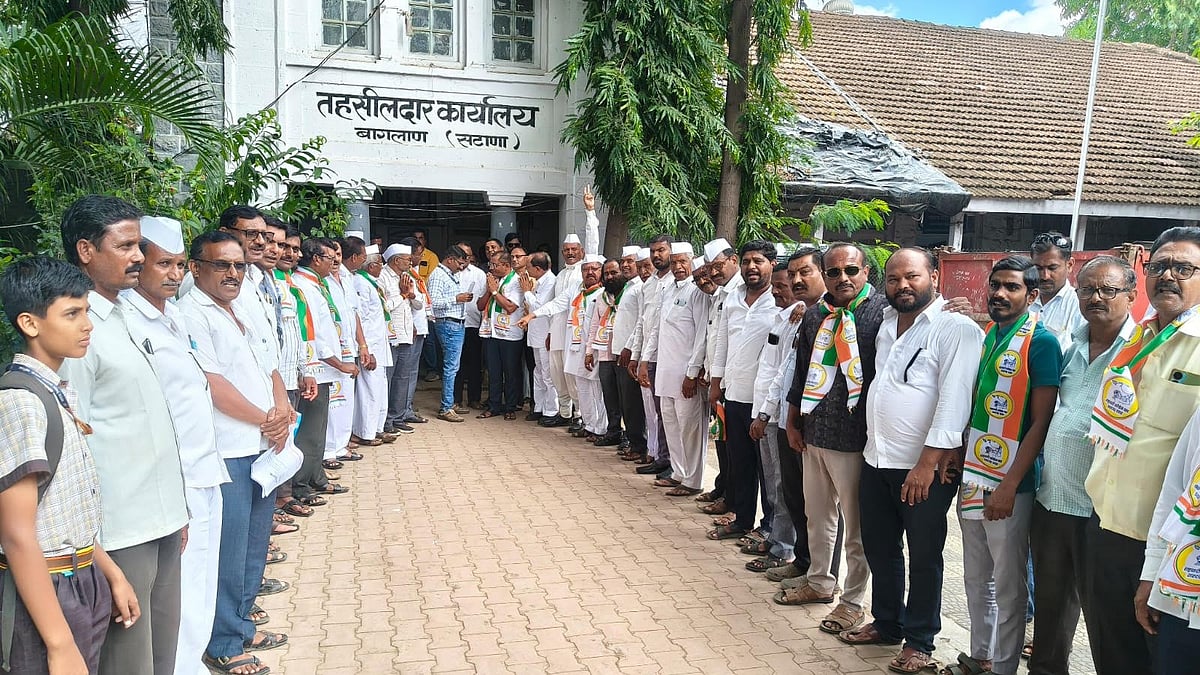
NCP (SP) Protests in Baglan, Seeks Urgent Crop Damage Assessment