

2 weeks ago
Know when banks can seize property after loan default

When people borrow money from a bank to buy a house or a car, they promise to pay it back in small monthly payments called EMIs.
If someone loses their job or has money problems, they might miss a payment, which is called a default.
Missing just one payment does not mean the bank can suddenly take away your house or car.
For secured loans, the bank can only take the property after following legal steps, such as sending a written notice and giving the borrower 60 days to pay.
The law says banks must send this notice once the loan is classified as a non-performing asset.
Banks also hire recovery agents to collect money, but these agents cannot shout at, threaten, or embarrass borrowers.
Recovery agents cannot call before 8 in the morning or after 7 at night, and they cannot bother family members or friends.
If a borrower is treated badly, they should keep proof like call records or messages and complain to the bank.
If the bank does not help, they can complain to the Reserve Bank of India, or even go to the police if they feel threatened.
Banks can still get their money back, but they must always follow the rules and treat people fairly.

A single missed EMI does not give a bank the right to seize a borrower's property or assets, according to Anshi Shrivastava of 1 Finance.
For secured loans classified as non-performing assets, lenders can issue a written demand notice under Section 13(2) of the SARFAESI Act requiring dues to be cleared within 60 days.
RBI rules prohibit recovery agents from using intimidation, harassment, threatening calls, or persistent calls before 8 a.m. and after 7 p.m.
Banks remain legally responsible for the conduct of outsourced recovery agents under RBI rules.
Borrowers facing harassment should preserve evidence, complain to the lender first, escalate to the RBI, and approach the police for serious threats.
A bank's right of set-off applies only to funds held with the same bank, not unrestricted access to accounts at other banks.
- Who
- Borrowers who default on loans in India, banks and lenders, recovery agents, the Reserve Bank of India, and personal finance expert Anshi Shrivastava of 1 Finance.
- What
- An explanation of when banks can legally seize property after a loan default and what recovery agents are prohibited from doing under RBI rules and the SARFAESI Act.
- Where
- India.
- When
- No specific date is given; the rules apply to secured loans once the account is classified as a non-performing asset, with a 60-day notice period for clearing dues.
- Why
- Because job loss, income disruption, or financial setbacks can make repayment difficult, and borrowers need to know that recovery must happen within the law, not through intimidation.
Key facts
- Law
- Section 13(2), SARFAESI Act
- Trigger
- Secured debt classified as a non-performing asset
- Notice period
- 60 days to clear dues
- Response to objections
- Lender must communicate reasons for rejection within 15 days
- Calling hours
- 8 a.m. to 7 p.m.
- Prohibited conduct
- Threats, intimidation, humiliation, anonymous calls, intruding on family or friends' privacy
- Complaint route
- Lender grievance redressal, then RBI complaint mechanism, then police
- Regulator
- Reserve Bank of India
Quotes
Anshi Shrivastava
Head of personal finance training at 1 Finance
““A single missed EMI does not give the bank the right to seize the borrower’s property or assets,””
 livemint.com
Sources
Related news

RBI rules bar device locking and harassment in loan recovery
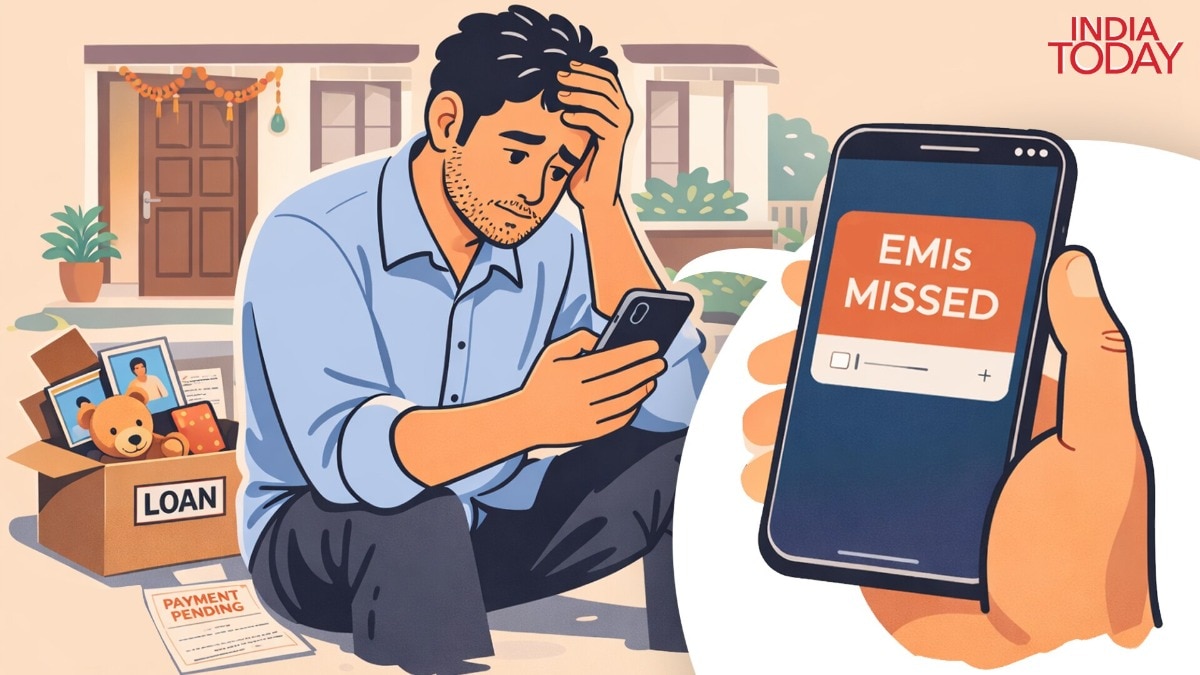
RBI tightens loan recovery rules, bars harassment, protects borrowers

RBI Tightens Loan Recovery Rules, Bans Borrower Harassment

Loan Default Risks: When Can Individual Borrowers Face Jail?
RBI bars banks from disabling mobile devices of defaulting borrowers

RBI recovery agent policy guidelines effective from January 2027
Xrbia Promoters Booked in Alleged ₹1,558 Crore Fraud

Mumbai Police Probe Alleged ₹42.96-Crore Chinchpokli Redevelopment Fraud
