1 hr ago
Centre Mediates Historic Inter-State Disputes Through Cooperative Federalism
India’s central government and several state governments have been trying to solve old disagreements.
Assam and Nagaland signed an agreement with the Centre.
Six states also agreed to restart a large dam project that had been delayed for eight years.
Rajasthan and Haryana reached an agreement after waiting 32 years to use an earlier Yamuna basin arrangement.
Four states settled money owed under the Narmada Award.
Bihar and Jharkhand ended a 25-year disagreement about the Sone River.
Andhra Pradesh and Telangana agreed to work on dividing assets and liabilities.
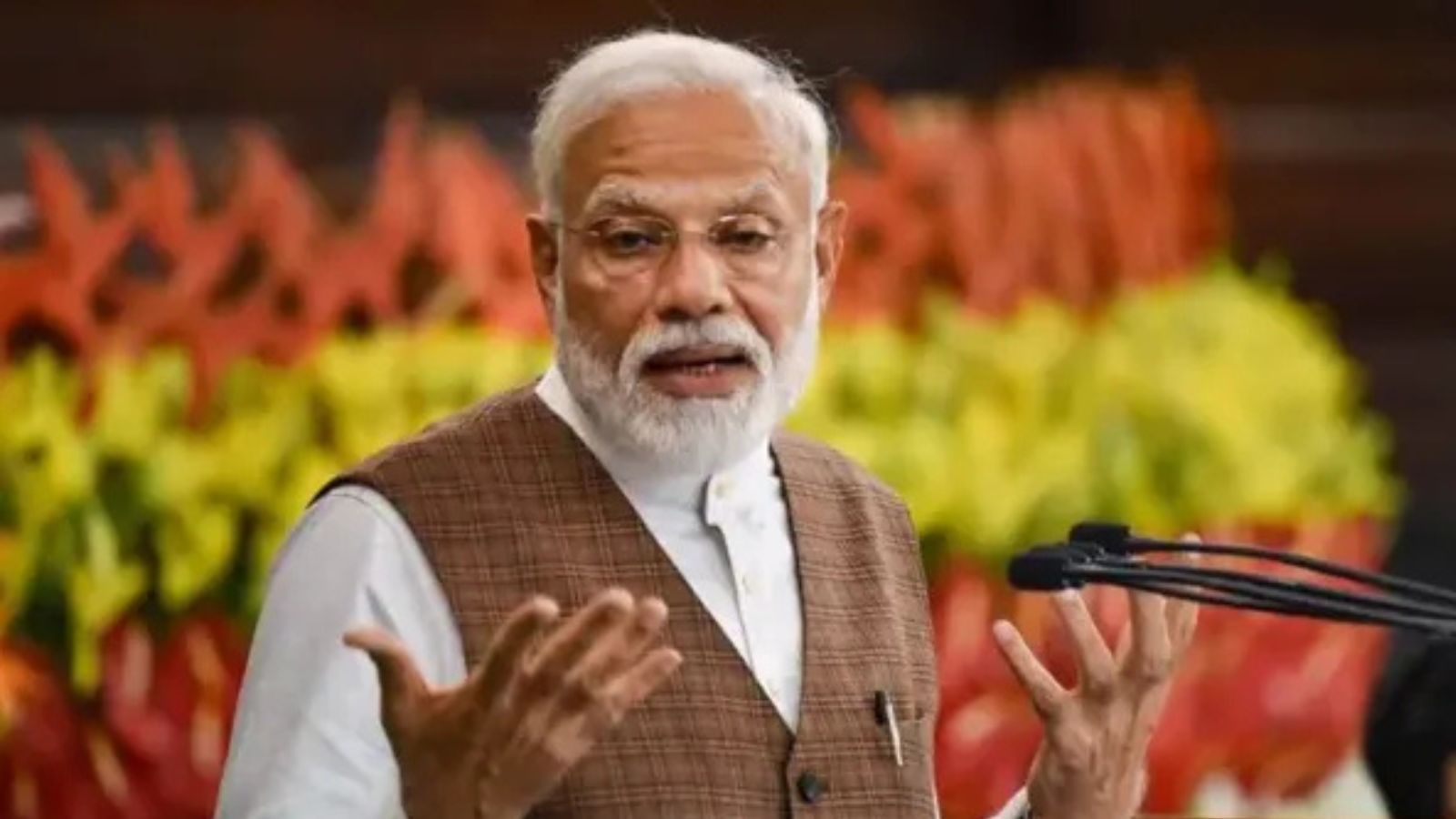
Himanta Biswa Sarma says these agreements show how talking and cooperating can help states make progress together.

Himanta Biswa Sarma says Narendra Modi has consistently promoted cooperation between India’s states and the Centre.
The Union Home Ministry has formalised agreements addressing several long-running inter-state disputes.
Assam and Nagaland signed a tripartite memorandum of understanding on June 11.
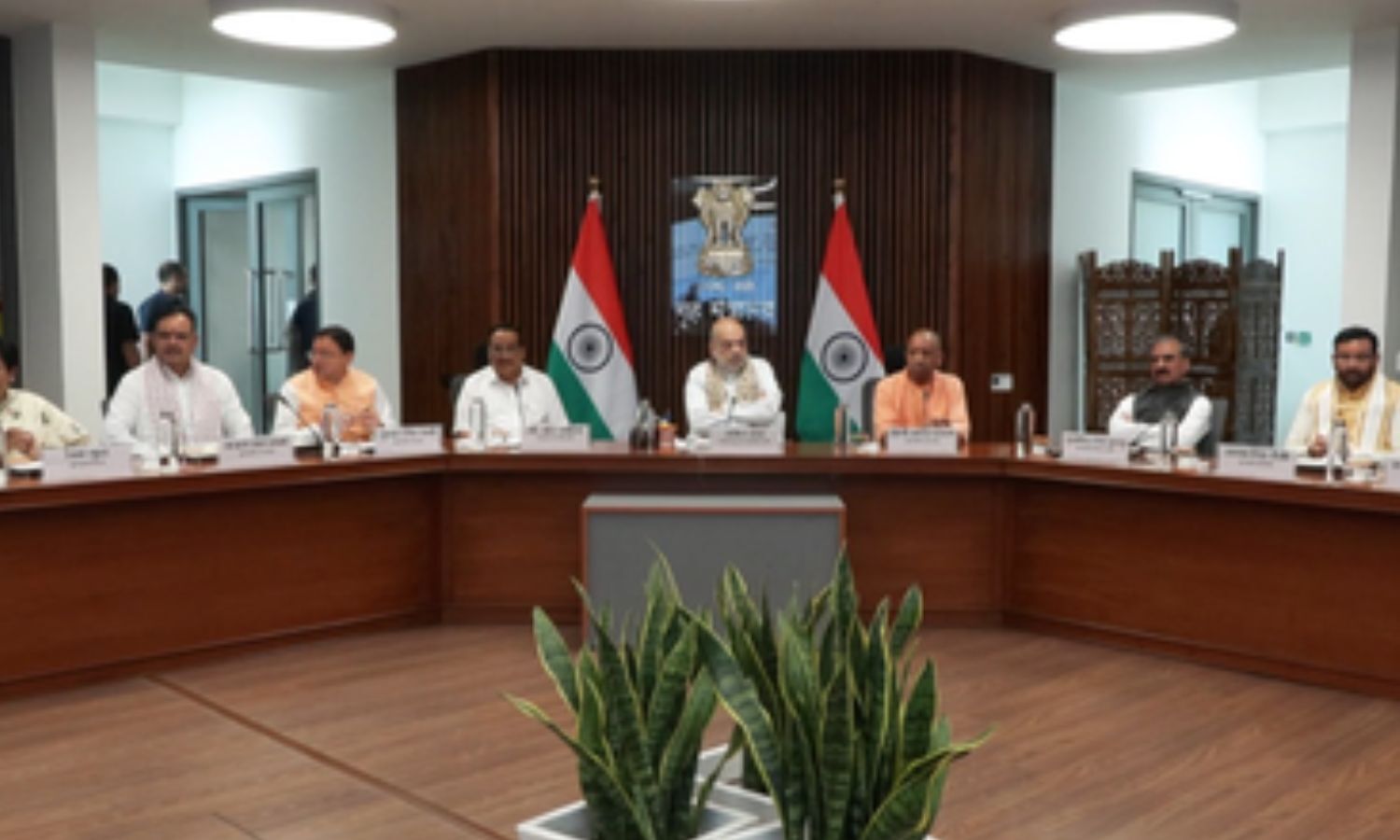
Six states revived the Kishau Multipurpose Dam Project after an eight-year deadlock.
Recent agreements also addressed Upper Yamuna water-sharing, Narmada dues, the Sone River dispute, and unresolved Andhra Pradesh–Telangana assets and liabilities.
- Who
- The Union government, Union Home Minister Amit Shah, and the governments of Assam, Nagaland, Himachal Pradesh, Uttarakhand, Haryana, Rajasthan, Uttar Pradesh, Delhi, Maharashtra, Gujarat, Madhya Pradesh, Bihar, Jharkhand, Andhra Pradesh, and Telangana.
- What
- They have formalised or advanced agreements resolving long-running inter-state disputes involving water, infrastructure, financial dues, and the division of assets and liabilities.
- Where
- Across the affected Indian states and the Centre, including the Assam–Nagaland border region, the Yamuna basin, the Narmada basin, and the Sone River region.
- When
- The agreements were reached over the last few months; the Assam–Nagaland memorandum of understanding was signed on June 11.
- Why
- The stated aim is to advance cooperative federalism, resolve differences, and enable states and the Centre to pursue common development.
Key facts
- Policy framework
- Cooperative federalism between the Centre and India’s states.
- First agreement cited
- A tripartite memorandum of understanding among the Centre, Assam, and Nagaland, signed on June 11.
- Kishau project
- The Kishau Multipurpose Dam Project was revived after an eight-year deadlock.
- Upper Yamuna agreement
- Rajasthan and Haryana agreed to operationalise the 1994 Upper Yamuna Basin agreement after a 32-year wait.
- Narmada settlement
- Maharashtra, Gujarat, Madhya Pradesh, and Rajasthan reached a one-time settlement of dues under the Narmada Award.
- Sone River dispute
- Bihar and Jharkhand signed a pact ending a 25-year dispute.
- Andhra Pradesh and Telangana
- The two states agreed to resolve pending issues concerning the division of assets and liabilities.
Quotes

Narendra Modi
Prime Minister of India, quoted from remarks at the first NITI Aayog Governing Council meeting in February 2015
“India cannot advance without all its states advancing in tandem. States and the Centre must work together to forge a model of cooperative federalism, resolve differences, and chart a common course to progress and prosperity.”
 indianexpress.com
Sources
Related news
Shah Calls for Faster Resolution of Southern Water Disputes
Southern States Clash Over Long-Running Water Disputes

Southern Zonal Council Opens Path Toward Interstate Federal Agreements
Centre, Six States Sign Long-Pending Kishau Dam Pact
Six States Sign Kishau Pact, Advancing Long-Delayed Yamuna Project
Amit Shah Chairs Western Zonal Council Meeting in Goa
Journalist Murder Conviction Overturned as Son Continues Justice Fight
CAQM Intensifies NCR Pollution Inspections Ahead Of Winter
AAP's Pannu Warns Chandigarh Draft Could Cut Punjab Share
Haryana Plans Fuel Ban for End-of-Life Vehicles