

3 weeks ago
India's Tribunal Reforms Bill 2026 Targets Ease of Justice

India has special courts called tribunals that deal with things like taxes, company disputes and environmental issues.
The government recently passed a new law called the Tribunal Reforms Bill, 2026.
The law wants to create a group called the National Tribunals Commission to look after 16 different tribunals.
This group would be led by a very senior former judge.
Its job is to make sure tribunal members are chosen fairly and that all tribunals are run in a similar, transparent way.
The new law does not change the kinds of cases tribunals decide.
Earlier, the Supreme Court stopped some similar changes because it worried about keeping judges independent.
The government believes that faster and fairer justice helps businesses grow with confidence.
That is why the minister says ease of justice and ease of doing business are connected.

The recently passed Tribunal Reforms Bill, 2026 aims to strengthen the governance of tribunals without altering their substantive jurisdiction.
The bill proposes a National Tribunals Commission (NTC) headed by a former Supreme Court judge or former chief justice of a high court.
The NTC would bring 16 tribunals under a common governance framework with a dedicated secretariat and a more transparent, merit-based appointment process.
Earlier reforms reduced tribunals from 26 to 19 under the Finance Act, 2017 and then to 16 under the Tribunals Reforms Act, 2021, but the Supreme Court struck down several provisions as contrary to judicial independence.
The minister argues that ease of justice and ease of doing business are deeply interconnected as India works toward Viksit Bharat @2047.
- Who
- The Union Minister of State (I/C) for Law & Justice, the government led by Prime Minister Narendra Modi, and the Supreme Court of India.
- What
- The passage of the Tribunal Reforms Bill, 2026, which proposes a National Tribunals Commission to govern 16 tribunals.
- Where
- India
- When
- The bill was recently passed in 2026, following a Supreme Court judgment on November 19, 2025.
- Why
- To make tribunal appointments, governance and service conditions more transparent and independent, connecting ease of justice with ease of doing business.
Reform for efficiency
Judicial independence safeguards
Merging and reducing tribunals
Reform for efficiency
Rationalising and merging similar tribunals (from 26 to 19, then to 16) reduces multiplicity of procedures and speeds up dispute resolution.
Judicial independence safeguards
The Supreme Court struck down provisions of earlier reform acts, holding them contrary to judicial independence and the separation of powers.
Oversight and appointments
Reform for efficiency
A common National Tribunals Commission makes appointments more transparent, structured, merit-based and independent.
Judicial independence safeguards
Judicial discourse, including Rojer Mathew, Madras Bar Association and the November 19, 2025 judgment, insists appointments, tenure and service conditions of tribunal members must uphold judicial independence.
Key facts
- Bill
- Tribunal Reforms Bill, 2026
- Status
- Recently passed in India
- Core proposal
- National Tribunals Commission (NTC)
- Tribunals covered
- 16
- NTC head
- Former Supreme Court judge or former chief justice of a high court
- NTC composition
- Two judicial members and two technical members
- Earlier reform
- Finance Act, 2017 reduced tribunals from 26 to 19
- Legal setback
- Supreme Court struck down provisions of the Tribunals Reforms Act, 2021 over judicial independence
Sources
Related news

Parliament Clears Tribunals Reforms Bill, 2026 Setting Up Commission
Why Tribunals Matter: Lok Sabha passes Tribunals Reforms Bill 2026

Lok Sabha passes Tribunals Reforms Bill, 2026 amid protests

India’s Tribunal Reforms Bill Leaves Quasi-Judicial Independence Concerns

Parliament Passes Tribunals Reforms Bill 2026 Amid Court Tussle
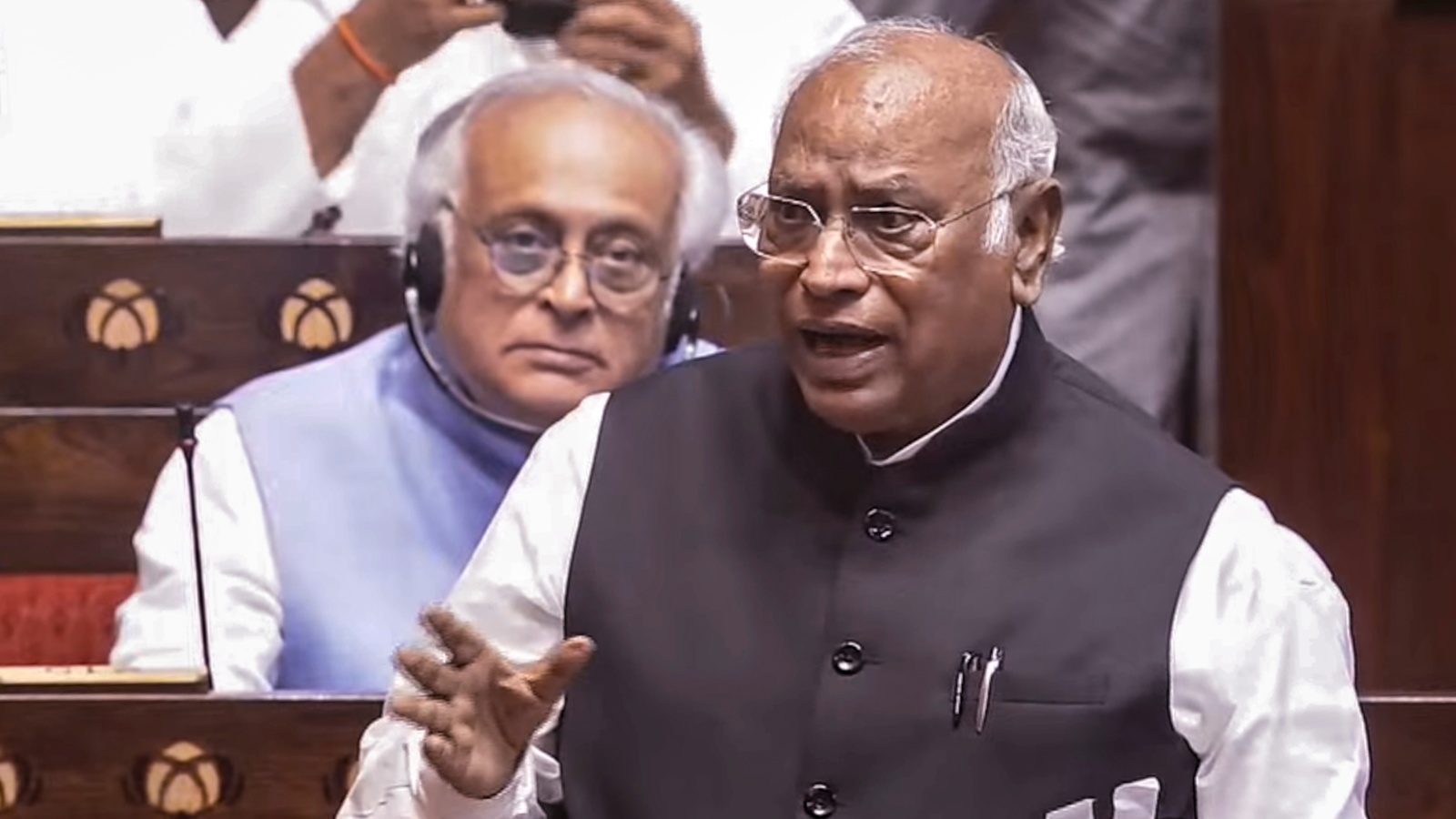
Rajya Sabha passes Tribunals Reforms Bill amid Opposition walkout

Government Defends 7.8% GDP Growth as Congress Raises Doubts

BRICS Expansion Puts Membership and Reform at New Delhi Summit

Piyush Goyal Defends India’s 7.8% GDP Growth Amid Criticism

Mahua Moitra Questions India’s 7.8% GDP Growth Figures
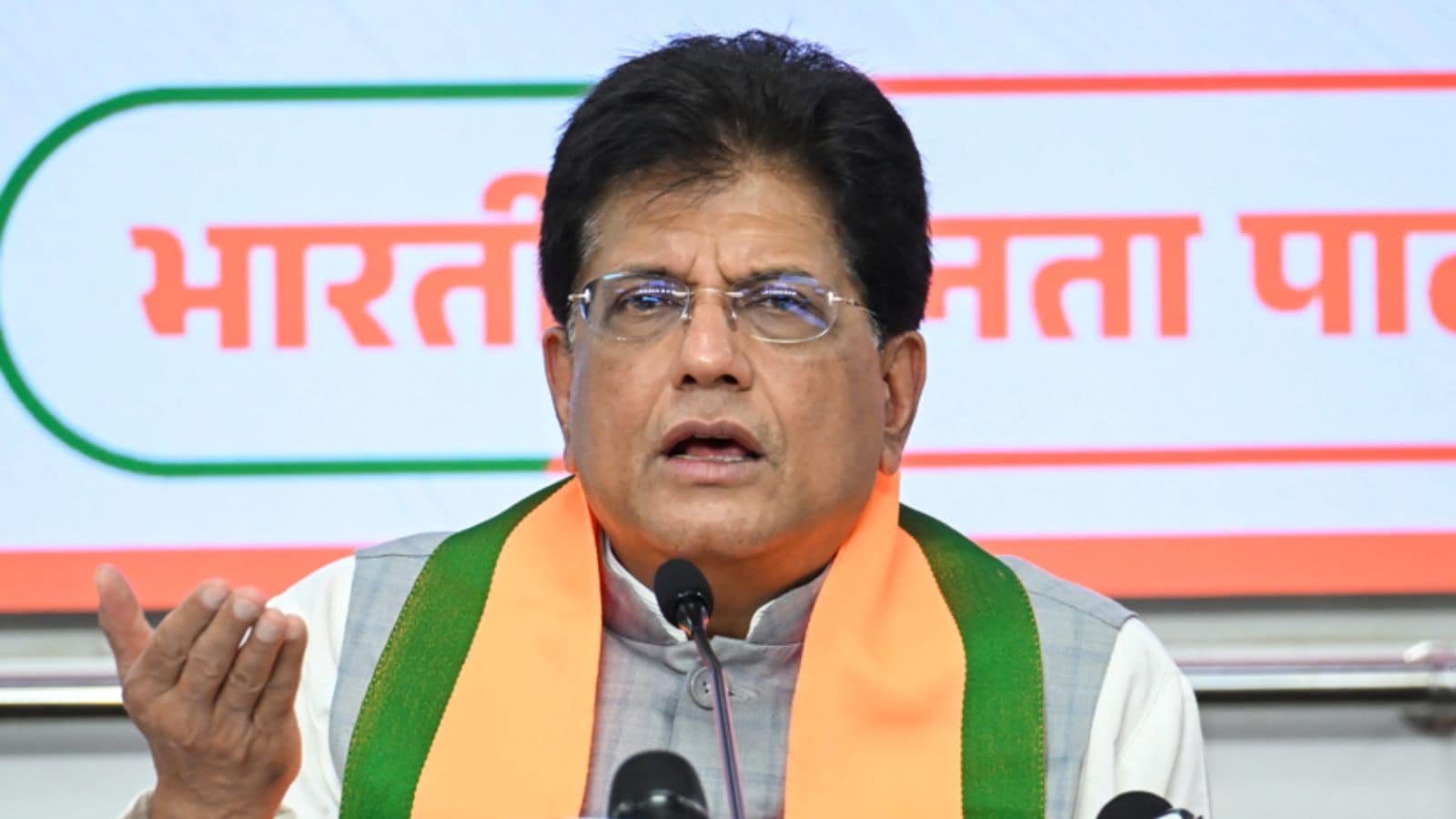
Goyal Defends India’s 7.8% GDP Growth Amid Data Debate