3 weeks ago
Lok Sabha passes Tribunals Reforms Bill, 2026 amid protests

India has special courts called tribunals that handle certain kinds of cases.
The people who lead these tribunals are chosen in a special way.
A top court called the Supreme Court said the old way of choosing them was not fair enough.
It said a separate, independent group should pick these leaders.
So the government wrote a new rule called the Tribunals Reforms Bill, 2026.
The new rule would create a group called the National Tribunals Commission.
This group would have a chairperson and four members who help choose tribunal judges and review how well they work.
The chairperson would be a retired senior judge who could serve for five years or until age 70.
Lawmakers in the Lok Sabha passed the rule even though some of them were loudly protesting about other things.
If it becomes law, it will replace the old rule from 2021.

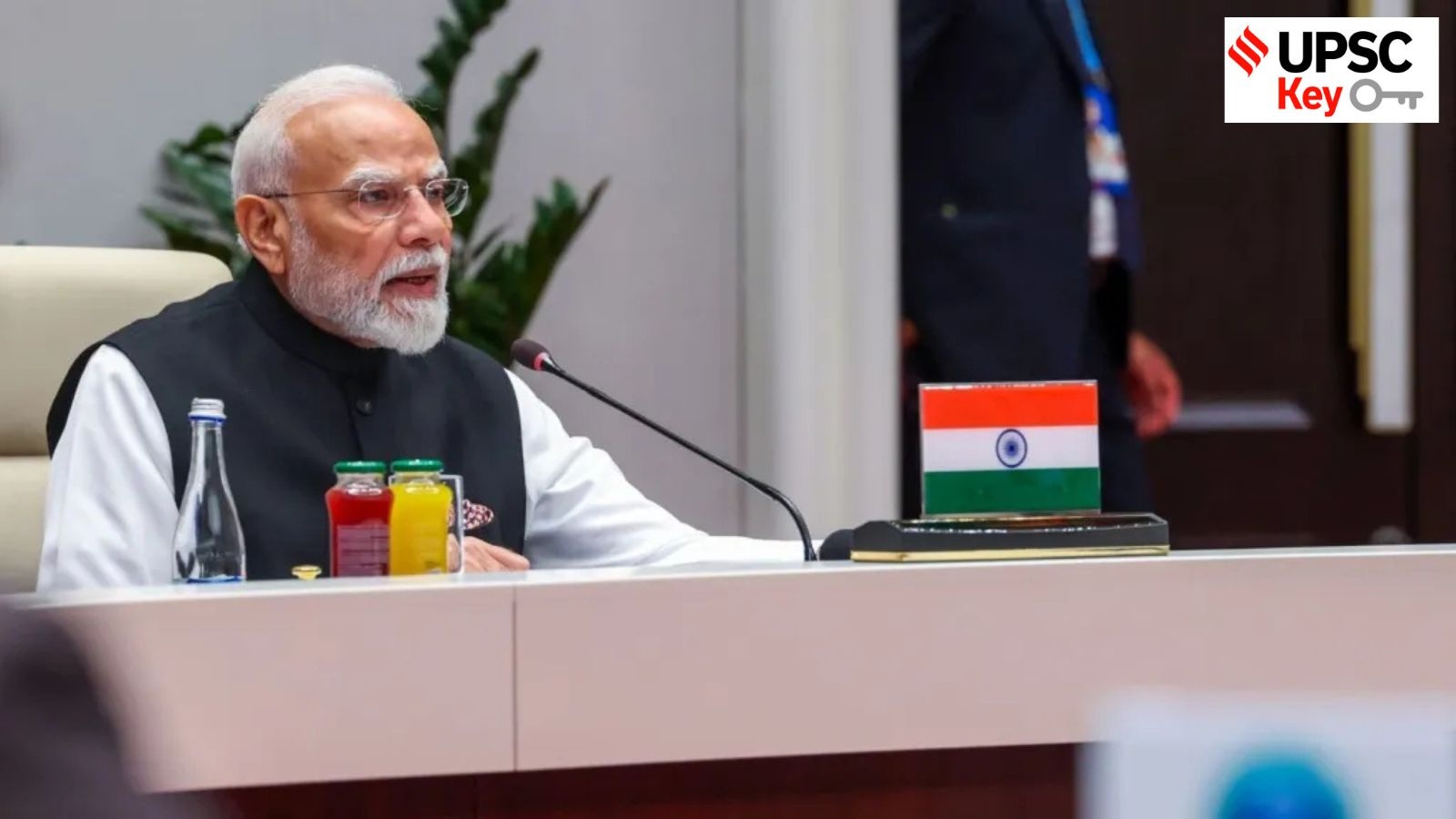
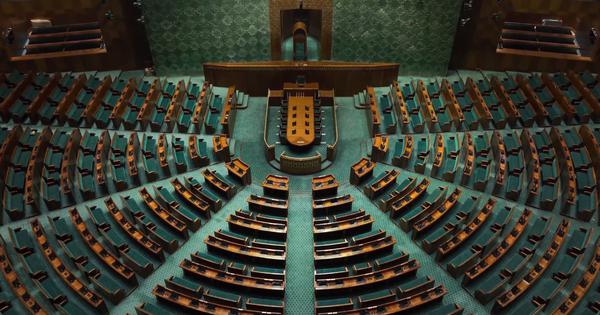
The Lok Sabha on Monday passed the Tribunals Reforms Bill, 2026 by voice vote, without debate, amid opposition protests.
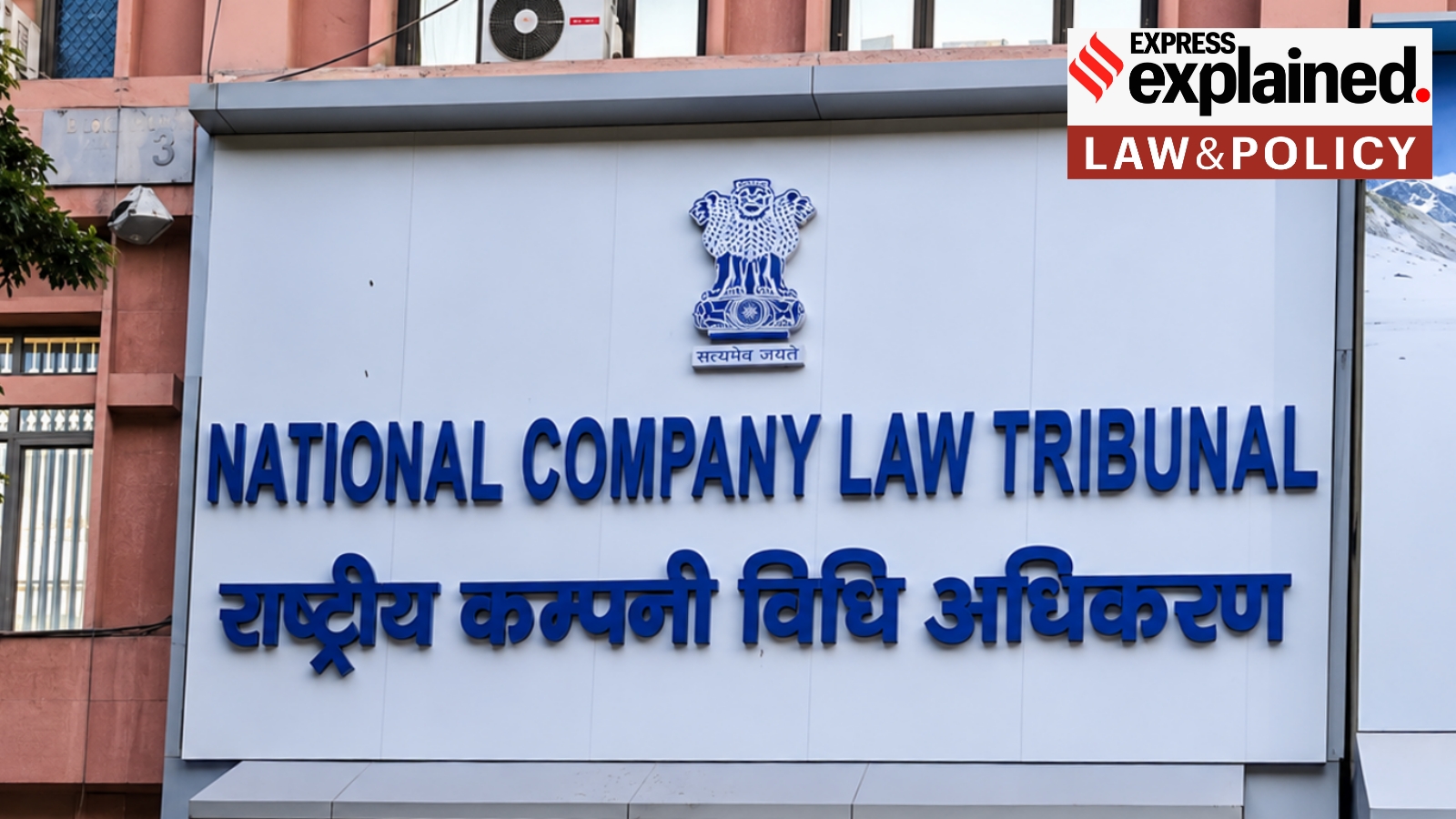
The bill sets up the National Tribunals Commission, headquartered in New Delhi, to select chairpersons and members of the country's 16 tribunals and review their performance.
The commission will comprise a chairperson and four members — two judicial and two technical — appointed by the Union government in consultation with the chief justice of India.
The bill implements a Supreme Court ruling of November 19 that struck down provisions of the Tribunals Reforms Act, 2021 as contrary to separation of powers and judicial independence; the 2021 Act would be repealed if it becomes law.
It was passed amid opposition protests demanding Union Home Minister Amit Shah's presence over the police crackdown on students at a July 20 protest against the NEET paper leak.
- Who
- Law Minister Arjun Ram Meghwal introduced the bill, Minister Rijiju addressed the House, and opposition MPs protested during the proceedings.
- What
- The Tribunals Reforms Bill, 2026, which establishes a National Tribunals Commission to select and oversee chairpersons and members of the country's tribunals.
- Where
- The Lok Sabha in New Delhi; the proposed commission is to be headquartered in the national capital.
- When
- Monday, August 10, 2026.
- Why
- To implement the Supreme Court's direction for an independent, transparent and uniform process for appointing tribunal chairpersons and members, after the court struck down provisions of the Tribunals Reforms Act, 2021.
Key facts
- Bill
- Tribunals Reforms Bill, 2026
- Status
- Passed by the Lok Sabha by voice vote, without debate
- Introduced by
- Law Minister Arjun Ram Meghwal
- Proposed body
- National Tribunals Commission
- Commission composition
- Chairperson and four members (two judicial, two technical)
- Chairperson tenure
- Five years or until age 70, whichever is earlier
- Impact
- Repeals the Tribunals Reforms Act, 2021 if it becomes law
- Tribunals covered
- Central Administrative Tribunal, National Green Tribunal, Armed Forces Tribunal, Securities Appellate Tribunal, Debts Recovery Tribunals, National Company Law Appellate Tribunal and Income-tax Appellate Tribunal
Quotes

Arjun Ram Meghwal
Union Law and Justice Minister
“ensure independence, transparency and uniformity in the qualifications, appointment, terms and conditions of service of chairpersons and members of various tribunals”
 scroll.in
“The draft law does not change or alter the jurisdictions of the various tribunals but only makes the appointment process uniform.”
 theprint.in
Sources
Related news

Parliament Clears Tribunals Reforms Bill, 2026 Setting Up Commission
Parliament Passes Tribunals Reforms Bill 2026 Amid Court Tussle
Tribunals Reforms Bill 2026 Seeks Judicial-Led Independence In Appointments
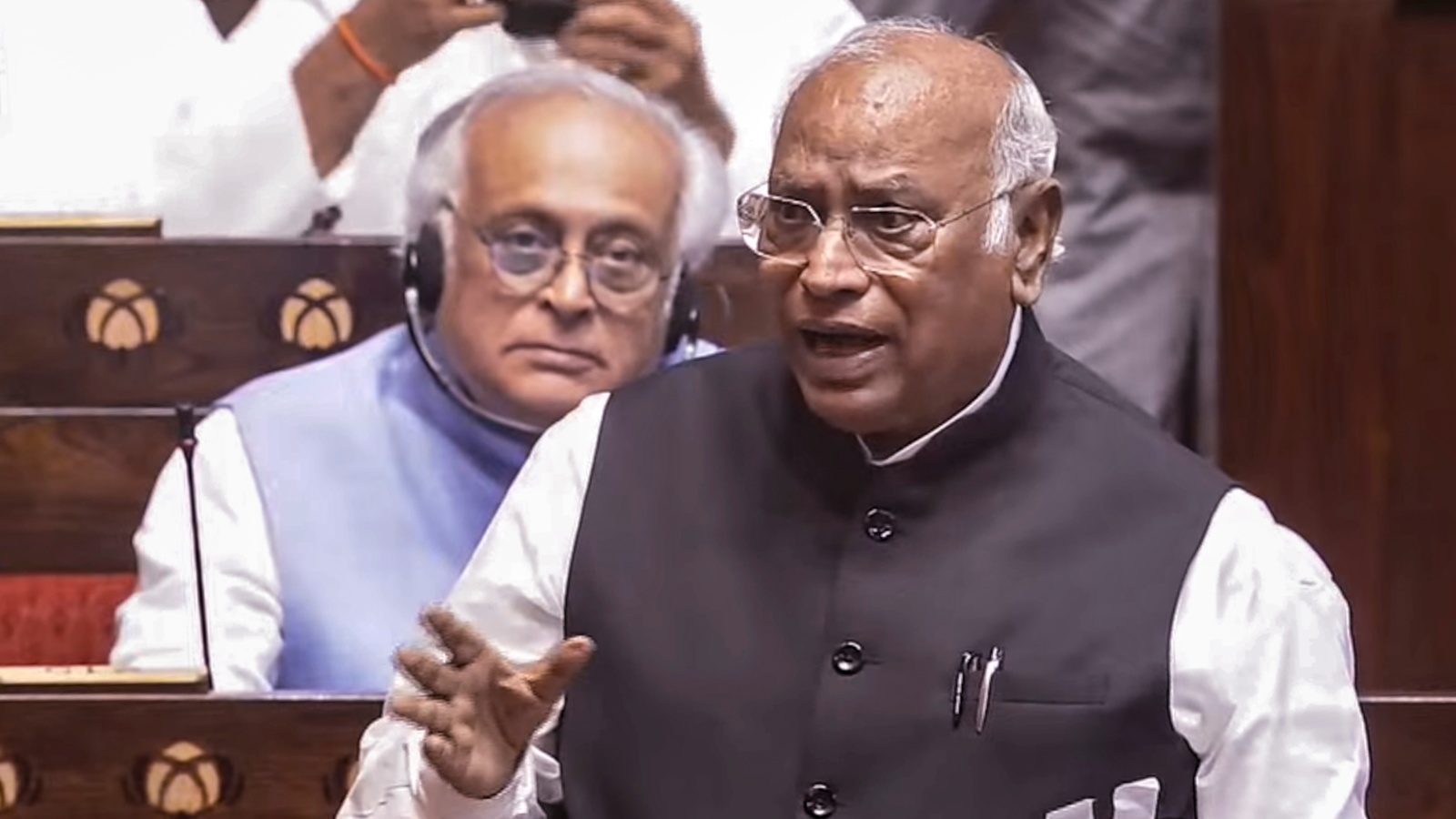
Rajya Sabha passes Tribunals Reforms Bill amid Opposition walkout
Why Tribunals Matter: Lok Sabha passes Tribunals Reforms Bill 2026

Tribunal Reforms Act Raises Fresh Questions Over Judicial Autonomy

Two Years After RG Kar Doctor's Rape-Murder, Case Remains Unresolved

ED widens Chhattisgarh probes with two arrests and searches

Delhi High Court Orders Madhya Pradesh to Pay Advocate Dues
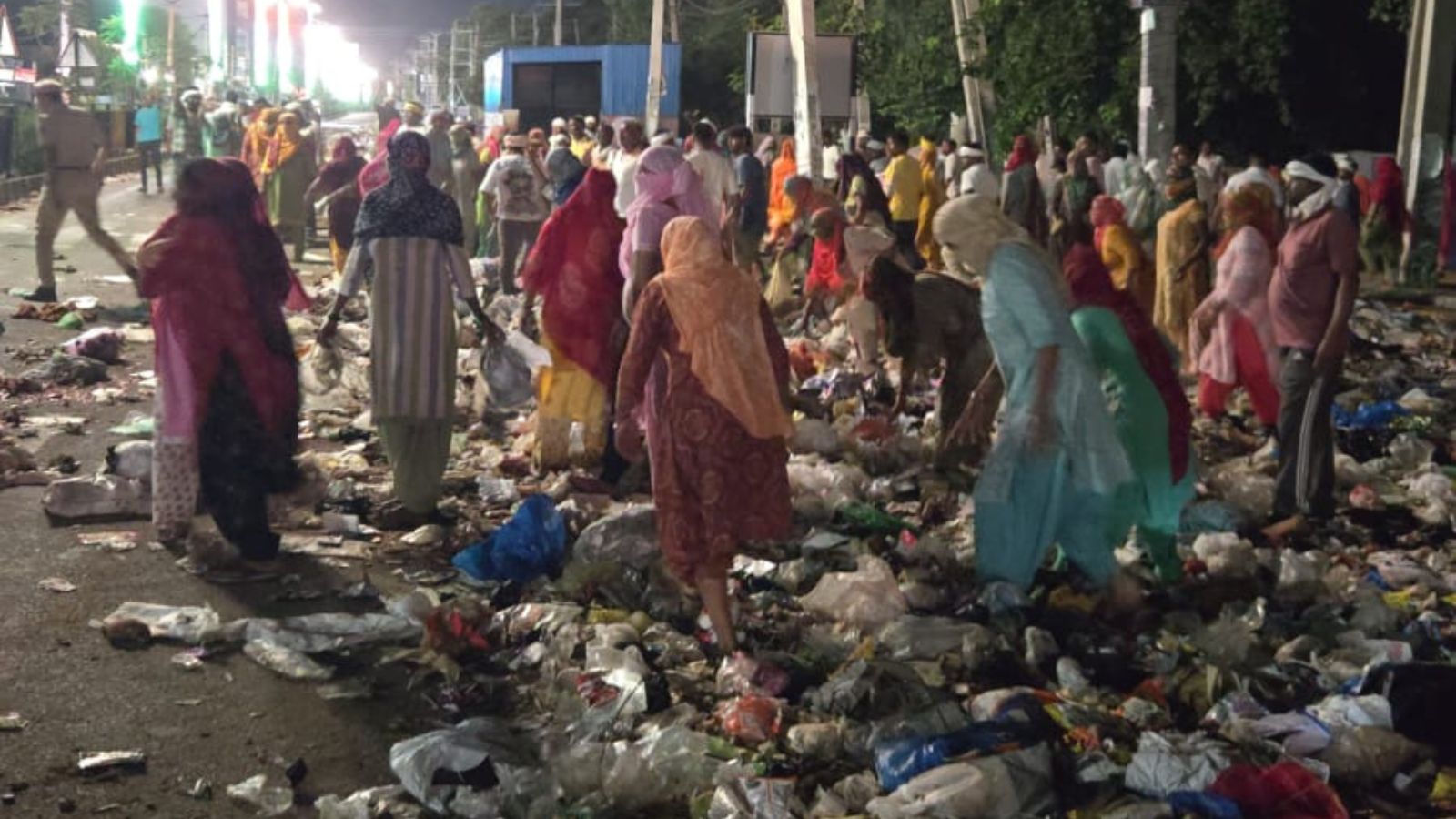
Haryana sanitation workers’ strike puts BJP government under pressure
Orissa High Court Says Brothel Customers Cannot Face Trafficking Charges