2 weeks ago
Parliament Passes Tribunals Reforms Bill 2026 Amid Court Tussle

Some disputes in our country are solved by special courts called tribunals.
Tribunals are meant to work faster and to give answers from experts.
For a long time, the government and the Supreme Court disagreed about how these tribunals should be run.
The Supreme Court is the highest court, and it wanted tribunals to be independent.
The government often wanted more control over who gets chosen to work there.
In 2021, the government made a law about tribunals, but the Supreme Court said parts of it were not allowed.
In 2026, Parliament passed a new law to fix this.
The new law creates a National Tribunals Commission to oversee tribunals and choose members.
It also gives tribunal members a five-year job term.
The Supreme Court and the government are now supposed to follow the same rules.

Parliament passed the Tribunals Reforms Bill, 2026, establishing a National Tribunals Commission.
Tribunal chairpersons and members will serve five-year terms, with maximum ages of 70 and 67 respectively.
The Union government must appoint members within three months of receiving commission recommendations.
The Bill repeals the Tribunals Reforms Act, 2021, which a November 2025 Supreme Court bench struck down as an 'impermissible legislative override'.
The Centre retains powers over the commission's funding, rules, and members' service conditions.
- Who
- Parliament and the Union government of India, in a long-running dispute with the Supreme Court of India
- What
- Passage of the Tribunals Reforms Bill, 2026, creating a National Tribunals Commission and setting five-year terms for tribunal members
- Where
- India
- When
- 2026, following a November 2025 Supreme Court judgment that struck down provisions of the 2021 Act
- Why
- To implement Supreme Court directions and improve the efficiency, independence, transparency and uniformity of tribunals
Judicial Independence (Supreme Court view)
Executive Control (Union government view)
Member tenure
Judicial Independence (Supreme Court view)
A short four-year tenure is 'anti-merit' and increases executive interference, jeopardizing judicial independence; five years were recommended
Executive Control (Union government view)
Fixed a four-year tenure through the 2021 Ordinance and the 2021 Act, resisting the court's suggested five years
Appointment process
Judicial Independence (Supreme Court view)
Requiring a panel of two names gives the executive undue discretion; the government should appoint one recommended candidate
Executive Control (Union government view)
Wanted selection committees to recommend a panel of two names so the government could choose
National Tribunals Commission
Judicial Independence (Supreme Court view)
An independent commission is needed to sever tribunals' reliance on parent ministries and free them from executive control
Executive Control (Union government view)
Retains powers over the commission's funding, rules, and members' service conditions
Key facts
- Bill
- Tribunals Reforms Bill, 2026
- Status
- Passed by Parliament
- New body established
- National Tribunals Commission
- Member tenure
- 5 years, with reappointment possible
- Maximum age
- 70 years for chairpersons, 67 years for members
- Appointment deadline
- Within 3 months of recommendation
- Repealed law
- Tribunals Reforms Act, 2021
- Key trigger
- November 2025 Supreme Court judgment
Quotes

Supreme Court
Judicial bench of the Supreme Court
“It is indeed unfortunate that instead of giving effect to the well‑established principles laid down by this Court… the legislature has chosen to re‑enact or re‑introduce provisions that reopen the same constitutional debates.”
 indianexpress.com
Sources
Related news

Parliament Clears Tribunals Reforms Bill, 2026 Setting Up Commission

Lok Sabha passes Tribunals Reforms Bill, 2026 amid protests
Why Tribunals Matter: Lok Sabha passes Tribunals Reforms Bill 2026

Tribunals Reforms Bill 2026 Seeks Judicial-Led Independence In Appointments

Tribunal Reforms Act Raises Fresh Questions Over Judicial Autonomy
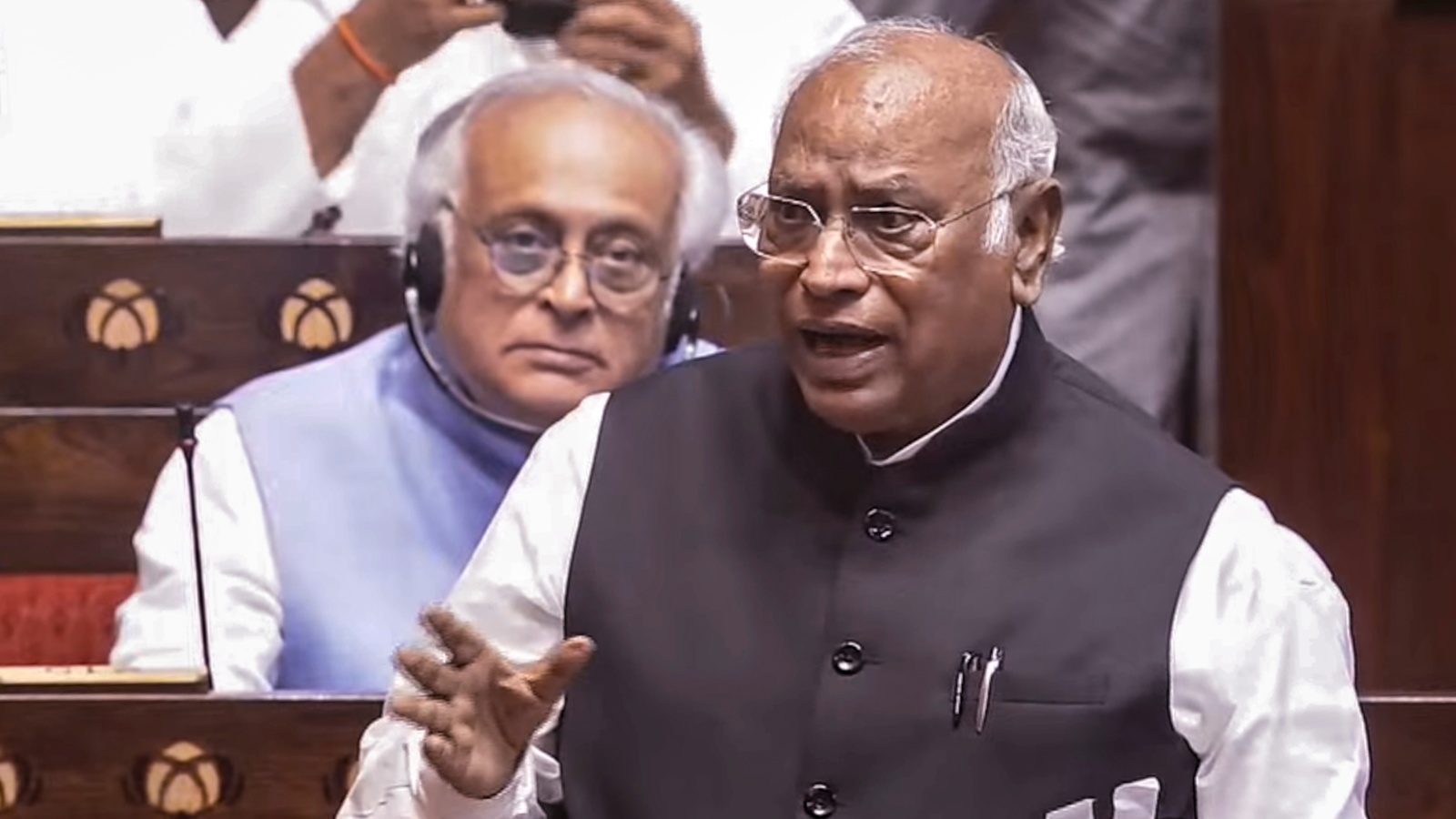
Rajya Sabha passes Tribunals Reforms Bill amid Opposition walkout

Two Years After RG Kar Doctor's Rape-Murder, Case Remains Unresolved

ED widens Chhattisgarh probes with two arrests and searches

Delhi High Court Orders Madhya Pradesh to Pay Advocate Dues

Haryana sanitation workers’ strike puts BJP government under pressure
Orissa High Court Says Brothel Customers Cannot Face Trafficking Charges