1 hr ago
Leg Trembling After Sitting Is Not Always Diabetes
Legs can shake briefly when you stand after sitting for a long time.
This can happen because nerves and blood flow are adjusting to movement.
Tired muscles, not drinking enough water, low electrolytes, stress or too much caffeine can also cause trembling.
A normal HbA1c is reassuring because it makes continuously high blood sugar less likely.
Diabetes-related nerve damage usually causes symptoms such as burning, tingling, numbness or reduced feeling.
Trembling that keeps happening, gets worse or occurs without prolonged sitting should be checked by a doctor.
Back pain, weakness, numbness or balance problems may suggest a nerve or spine problem.
Doctors may use an examination, blood tests, nerve tests or an MRI to find the cause.
Sudden weakness or trouble walking needs urgent medical attention.

A normal HbA1c makes persistently high blood sugar less likely but does not explain every cause of leg trembling.
Temporary nerve compression, reduced circulation, muscle fatigue, dehydration, electrolyte imbalance, stress and caffeine can trigger shaking.
Brief trembling after prolonged sitting that improves with movement is usually less concerning than frequent or worsening symptoms.
Back pain, radiating leg pain, numbness, weakness, balance problems or walking difficulty may point to a spine or nerve issue.
Sudden weakness, loss of bladder or bowel control, speech difficulty, one-sided symptoms, or a swollen painful leg requires urgent medical care.
- Who
- People experiencing leg trembling after prolonged sitting; Dr Gaurav Batra, a neurosurgery consultant, provides the medical guidance.
- What
- The article explains possible causes of leg trembling and when it may be related to diabetes, nerves, circulation or other conditions.
- Where
- Symptoms may involve the legs and can be related to nerves in the lower back or circulation in the legs.
- When
- The trembling is discussed mainly as occurring after sitting for a long time, with urgent evaluation advised for sudden or severe symptoms.
- Why
- Leg trembling can result from temporary nerve compression, reduced blood flow, muscle fatigue, dehydration, electrolyte imbalance, stress, caffeine or medical conditions requiring assessment.
Key facts
- HbA1c
- A normal result generally suggests blood sugar has not remained consistently elevated over the previous two to three months.
- Typical diabetic neuropathy symptoms
- Burning, tingling, numbness or reduced sensation, particularly in the feet and legs.
- Common temporary causes
- Nerve compression, reduced circulation, muscle fatigue, dehydration, electrolyte imbalance, stress and excessive caffeine.
- Possible evaluations
- Neurological and musculoskeletal examination, blood tests, nerve conduction studies or EMG, and lumbar-spine MRI when indicated.
- Helpful measures
- Change position regularly, walk every 30–60 minutes, stretch gently, stay hydrated and limit excessive caffeine.
- Urgent warning signs
- Sudden weakness, difficulty walking, bladder or bowel-control loss, severe back pain, facial weakness, speech difficulty, one-sided symptoms, or a swollen painful leg with breathlessness or chest pain.
Quotes
Dr Gaurav Batra
Principal Consultant in Neurosurgery at Yashoda Medicity, Indirapuram
“If leg trembling is accompanied by back pain, pain radiating into the leg, numbness, tingling sensation, or weakness, it is possible that the underlying cause of the symptoms is a spine problem.”
 NDTV
NDTV
“Having a normal HbA1c level is indeed good news because this makes persistent high blood glucose level unlikely, but leg shaking following prolonged sitting may have various other causes.”
NDTV
Sources
Related news
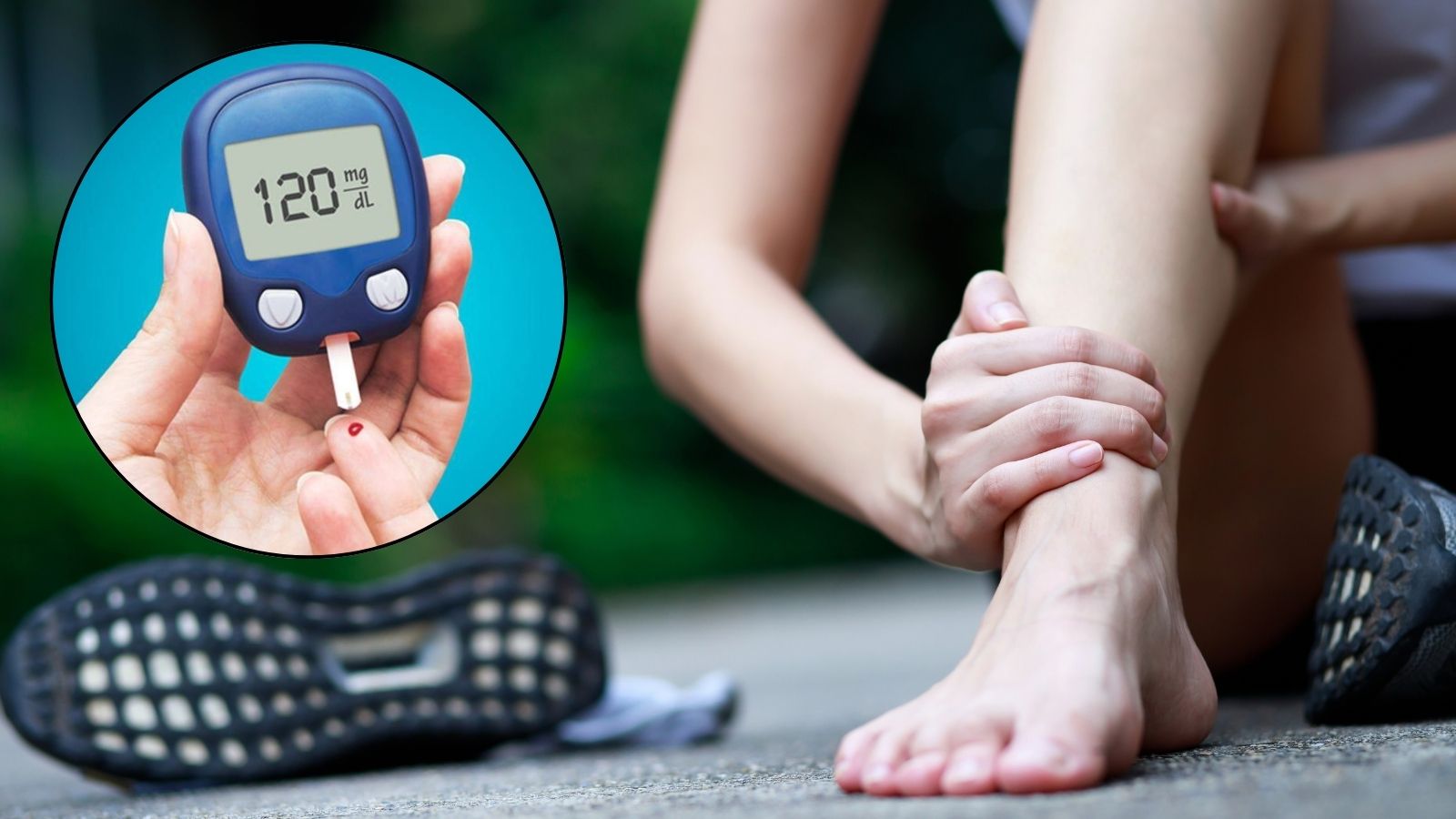
Recurring Muscle Cramps May Signal Blood Sugar Problems

Prayer Sign Test May Reveal Hidden Diabetes-Related Stiffness
HbA1c of 10.6% Requires Lifestyle Changes and Medical Review

Leg Pain Traveling From the Back May Signal Nerve Problems

Why HbA1c Below 7% May Not Mean Diabetes Control

High Glucose With Low HbA1c Requires Medical Evaluation

Yashoda Medicity Targets Break-Even in Three Years, Adds Beds

Bigorexia in Teenagers Can Let Fitness Take Over Daily Life

H1N1 Rise Brings Body Aches: Causes, Relief And Warning Signs

Vaccination Helps Older Adults Reduce H1N1 Flu Risks