3 weeks ago
NITI Aayog care report urges India to formalise caregiving workforce

India has many older people who need help with everyday things, like getting up, taking medicine and eating.
In 2022, about 149 million Indians were aged 60 or more, and this number will keep growing.
Families usually take care of their elders, often without pay and without any help.
A government group called NITI Aayog has written a report called 'Reimagining Care' about how India can support these families.
The report wants to make caregiving a proper job with training and recognised certificates.
It suggests creating a National Caregiver Council and a registry so families can find trusted caregivers.
It also wants families who care for their own relatives to get support, training and even some free time.
More jobs in care could also help young people, since India's care market could grow from $30 billion to $72 billion by 2030.
Many other countries will need more caregivers soon, which could be an opportunity too.
The report says that by the time India celebrates Viksit Bharat@2047, a truly developed country should take care of its oldest citizens and the people who help them.

The NITI Aayog report 'Reimagining Care' proposes a national caregiving architecture built on existing training programmes.
India had 149 million citizens aged 60 and above in 2022, projected to reach 194 million by 2031 and 347 million by 2050.
The report proposes a National Caregiver Council, a National Caregiving Qualification Framework and a National Caregiver Registry.
India's care services market, valued at close to $30 billion in 2023, is projected to more than double to $72 billion by 2030.
The World Health Organisation projects a global shortfall of 11 million health workers by 2030, while OECD countries may need over 13 million additional care workers by 2040.
- Who
- NITI Aayog, which authored the 'Reimagining Care' report, and India's families, informal caregivers, elderly citizens and persons with disabilities.
- What
- Released 'Reimagining Care,' a report proposing a national architecture to professionalise and formalise caregiving while strengthening family care.
- Where
- India, with international comparisons involving OECD countries, Germany, Japan and Australia.
- When
- The report was newly released; it draws on 2011, 2022 and 2023 data with projections extending to 2050.
- Why
- To prepare for India's rapidly ageing population and the changing ability of families to provide unpaid care at home.
Key facts
- Report
- Reimagining Care (NITI Aayog)
- Indians aged 60+ (2022)
- 149 million, roughly one-tenth of the population
- Projected 60+ population
- 194 million by 2031; 347 million by 2050
- Persons with disabilities (2011 Census)
- 26.8 million
- India care services market
- Close to $30 billion in 2023; projected $72 billion by 2030
- Proposed institutions
- National Caregiver Council; National Caregiving Qualification Framework; National Caregiver Registry
- Global care worker demand
- WHO projects an 11 million health worker shortfall by 2030; OECD needs 13+ million care workers by 2040
- Labour migration agreements
- 21 agreements; first cohort of Indian nurses placed in Germany in 2024
Sources
Related news
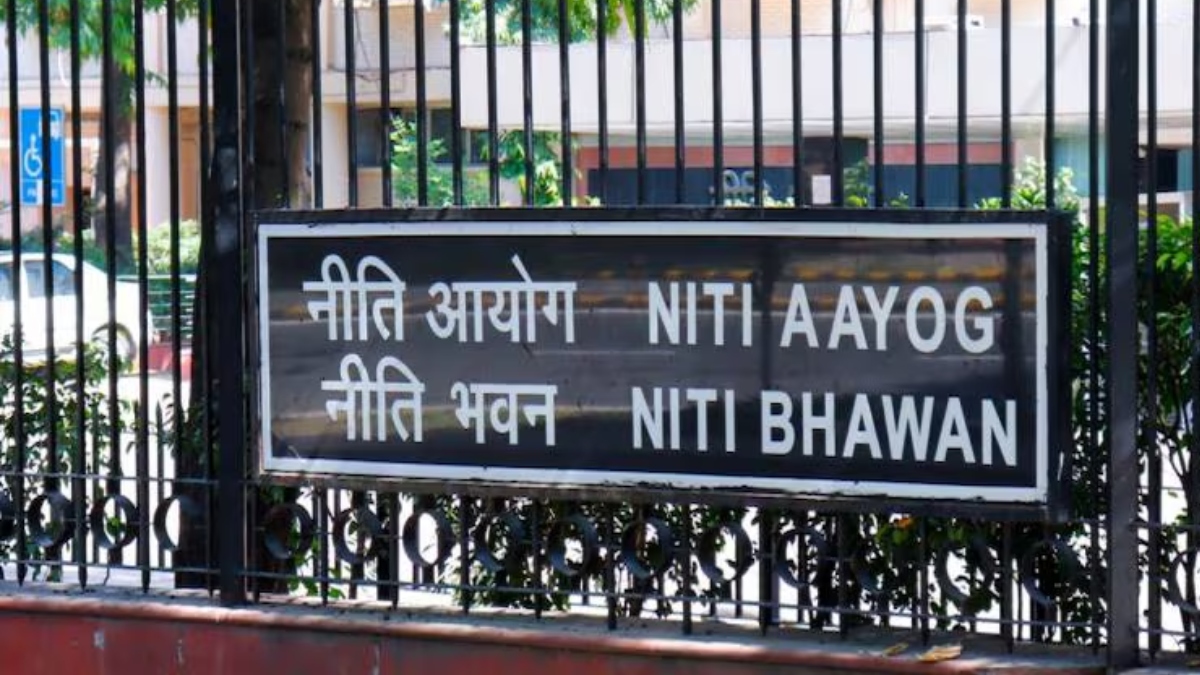
Niti Aayog proposes national caregiving policy, regulator for care economy

Editorial Says India’s Rs 200 Elderly Pension Is Inadequate

NITI Aayog Report Urges Maharashtra To Link Skilling With Jobs
Supreme Court values homemakers' unpaid work at Rs 30,000 monthly
India Tops Global Rankings in Prioritising Longevity and Healthy Ageing

India Replaces Sri Lanka as 2027 Women’s Champions Trophy Host

Mitsubishi Revives Pajero With 201PS Fifth-Generation SUV

IIM-Born CEO Says Australia’s Everyday Life Runs on Trust

UN Report Says 1.5°C Overshoot, Return Remains Possible

Uday Kotak Warns Global Bond Markets Face Roller-Coaster Volatility