2 weeks ago
India Tops Global Rankings in Prioritising Longevity and Healthy Ageing
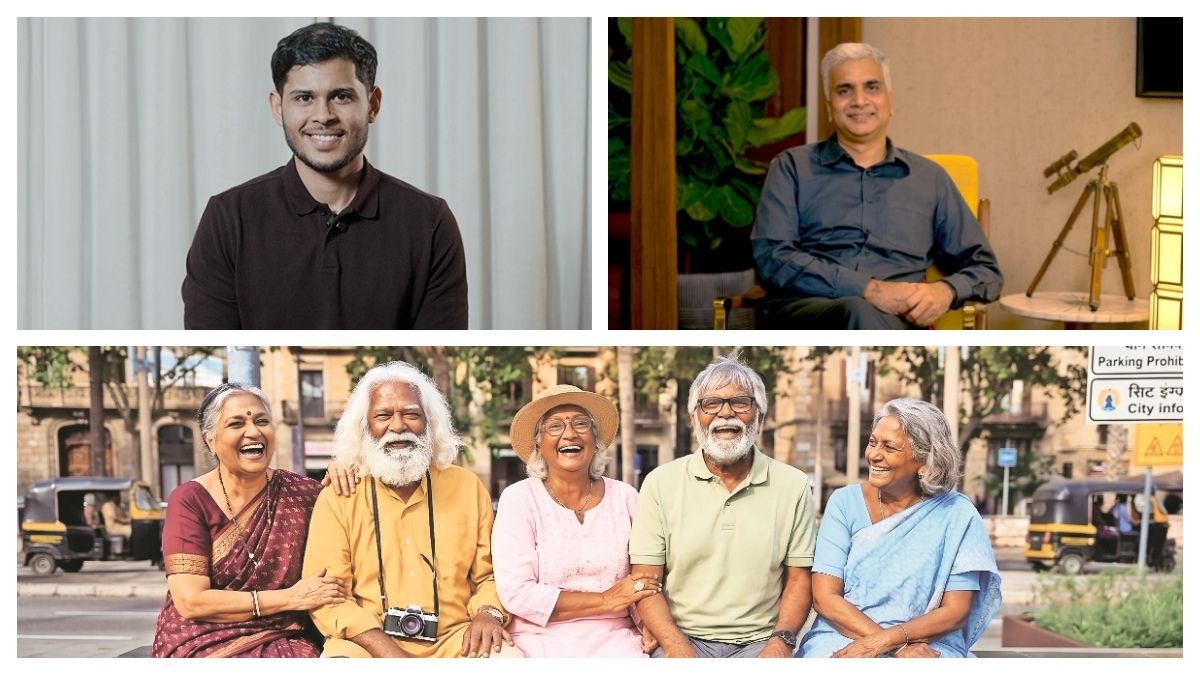
People in India want to live longer and healthier lives, and a new report says India is number one in the world at caring about staying healthy as we age.
Almost half of Indian people are doing things like exercising, eating well and getting check-ups to stay healthy for longer.
Many people wear smartwatches and use phone apps to keep track of their bodies.
India has a lot of older people — about 153 million — and that number is expected to grow very fast by 2050.
Because of this, doctors say it is important to stop sicknesses before they start.
Diseases like diabetes and heart problems have become the biggest health worries in India.
Companies are now making products and services, like health tests and fitness plans, to help people stay well.
Even some very rich people try strange ways to stay young, like taking blood from their own children.
But experts say the best approach is simple — good food, exercise and regular doctor visits that everyone can afford.
The goal is to help everyone spend their extra years feeling good, not just living longer.

Nearly half of India's population take concrete steps toward healthy ageing, ranking first among all countries surveyed versus a 12% global benchmark, according to a Boston Consulting Group report.
About 71% of Indians use digital tools, wearable trackers and AI-supported health solutions to stay active longer, compared with a 55% global average.
India's senior population, currently about 153 million, is projected to reach 347 million by 2050.
India's longevity and wellness pharmaceutical market is forecast to grow from $2.15 billion in 2025 to $4.09 billion by 2033, at a CAGR of 8.5%, outpacing the global rate.
Non-communicable diseases now account for more than 60% of total deaths in India, according to the Sample Registration Survey 2024, fuelling the shift to preventive healthcare.
- Who
- India's population — including 153 million people aged 60 and above — along with experts such as Deepak Saini of the Indian Institute of Science (IISc), hospitals like Apollo Hospitals, startups and investors such as Deepinder Goyal.
- What
- India ranks first among all countries surveyed in prioritising longevity, with nearly half its population taking preventive health steps amid a fast-growing global longevity and wellness industry.
- Where
- India, with parallel developments globally, including Japan, Singapore, Switzerland and the United States.
- When
- Based on a Boston Consulting Group report released late last year, with 2025 valuations and market forecasts running to 2033–2035.
- Why
- India's rapidly growing senior population and the rising burden of chronic, non-communicable diseases have shifted focus from merely living longer to living healthier.
Longevity as genuine need
Longevity as hype
Hype or need?
Longevity as genuine need
Interest in longevity is a genuine response to India's changing disease burden — non-communicable diseases now cause over 60% of deaths — making prevention and early intervention medically desirable and economically essential.
Longevity as hype
A large part of the longevity conversation is 'muffled and misdirected' by unscientific social media discourse; clinicians warn about excessive or unnecessary testing, and evidence for routine use of devices like continuous glucose monitors among healthy people remains limited.
Access to the longevity economy
Longevity as genuine need
The private sector is filling gaps: hospitals are expanding preventive programmes, corporates are adding wellness benefits, and companies are formalising existing healthy behaviours and making them measurable through modern science.
Longevity as hype
Many advanced longevity services remain concentrated in metropolitan areas and are accessible mainly to higher-income consumers, raising questions about equity and access in a country where healthcare spending is still highly out-of-pocket.
Key facts
- Indians prioritising longevity
- Nearly half of the population vs 12% global benchmark (BCG report)
- Use of digital health tools in India
- 71% vs 55% global average
- India's senior population (60+)
- 153 million now, projected 347 million by 2050
- Global longevity & wellness pharma market
- $63.4B (2025) to $106.0B (2033), CAGR 6.7%
- India longevity & wellness pharma market
- $2.15B (2025) to $4.09B (2033), CAGR 8.5%
- Share of deaths from non-communicable diseases in India
- More than 60% (Sample Registration Survey 2024)
- Wellness technology market
- $57.1B (2025) to $208.36B (2035), CAGR 13.82%
- Wellness tourism market
- Nearly $990.4B (2025) to $2.4 trillion (2035), CAGR 9.3%
Quotes
Dr. Prasun Chatterjee
Group clinical lead, geriatric medicine and longevity science, Apollo Hospitals
“Longevity in India cannot become another category built purely around supplements, expensive diagnostics or cutting‑edge interventions. It has to be data and outcome‑driven, and ultimately accessible enough to become part of how people live every day.”
 financialexpress.com
“The interest in longevity and healthy ageing is not very surprising globally, simply because the healthcare systems have reached saturation where most pathologies can be addressed by appropriate and timely medical interventions.”
financialexpress.com
Sources
Related news

Brilliance Cosmocare Raises $200,000 Seed Round for Longevity Skin Platform

Preventive Health Checks Gain Ground Across India’s Diagnostic Industry
Rajnath Singh Calls Preventive Healthcare India’s Future Model

India’s Senior Living Market Poised for ₹1 Lakh Crore

India’s Beauty Market Set to Nearly Double by FY31

Investors Increase Bets on India’s Growing Supplements Sector
Sumadhura Group Plans ₹2,000 Crore Industrial Logistics Expansion
Bengaluru Man Says Zomato Pav Bhaji Came With Smoked Beedi
Zomato Bans Analogue Paneer Over Transparency Concerns

FSSAI Crackdown Could Expand India’s Organised Paneer Market

Adani Stocks Tumble as HDFC Bank Drags Nifty; Reliance Gains