1 week ago
Early Stroke Rehabilitation Supports Mobility and Long-Term Independence
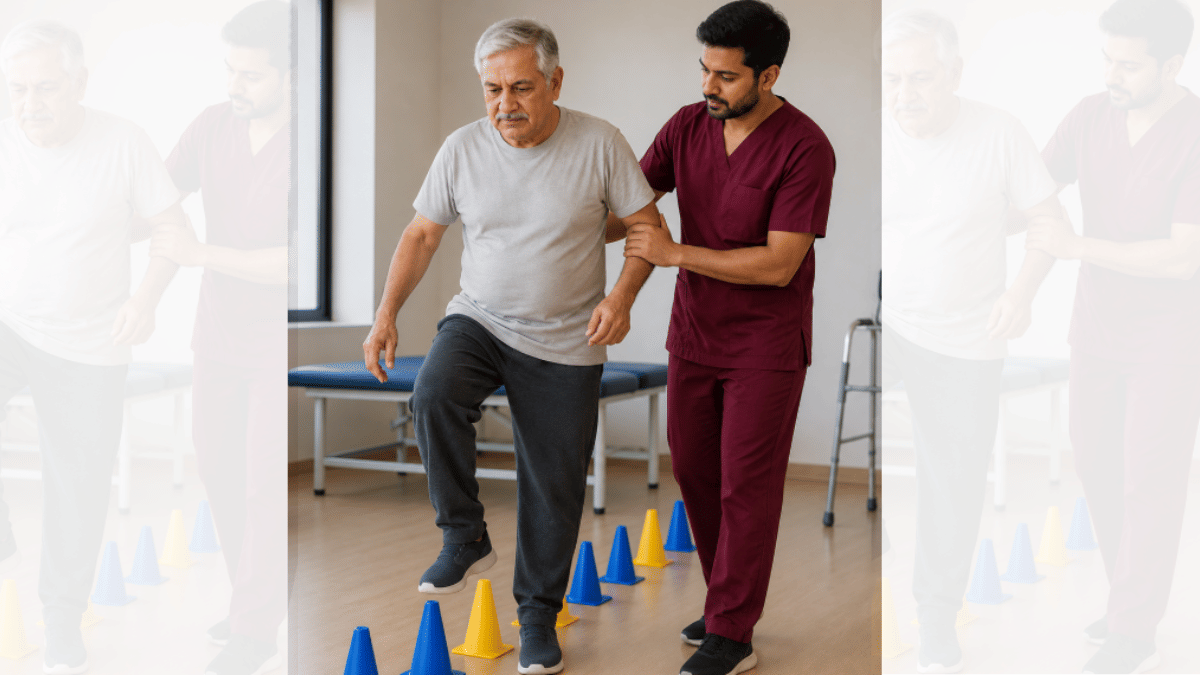
A stroke can hurt the part of the brain that controls movement, sometimes making one side of the body weak or unable to move.
The brain may be able to find new ways to control the body, but it needs regular practice.
Therapists help patients repeat safe movements such as sitting up, standing, reaching, and walking.
Other specialists help with talking, swallowing, dressing, eating, and bathing.
Rehabilitation usually starts gently within 24 to 48 hours after doctors say the patient is stable.
The biggest improvements often happen in the first three to six months.
Recovery may continue for more than a year, even if progress sometimes slows down.
Treatment also helps prevent problems such as falls, stiffness, shoulder injury, infections, and pressure sores.
The article says independence can be a realistic goal even when complete recovery does not happen.

Stroke-related weakness or paralysis can affect movement, sensation, balance, speech, swallowing, memory, and attention.
Rehabilitation uses repeated, supervised exercises to help the brain form new pathways through neuroplasticity.
Therapy may include physiotherapy, occupational therapy, speech and language therapy, nutrition support, nursing, and medical rehabilitation.
Rehabilitation should generally begin within 24 to 48 hours once the patient is medically stable, starting with gentle activities and positioning.
Recovery is often strongest during the first three to six months, but functional improvements can continue beyond a year with consistent practice.
- Who
- Stroke survivors, their families, and the medical rehabilitation team, including physicians, physiotherapists, occupational therapists, speech and language therapists, nutrition professionals, nurses, and caregivers.
- What
- A guide to stroke-related paralysis and the rehabilitation needed to improve mobility, daily function, safety, and independence.
- Where
- Rehabilitation may take place in a hospital or inpatient rehabilitation centre, followed by outpatient or home-based therapy.
- When
- Rehabilitation should generally begin within 24 to 48 hours after the stroke, once the patient is medically stable; recovery is often strongest in the first three to six months but can continue beyond a year.
- Why
- To help the brain build new movement pathways, restore practical function, and prevent complications including stiffness, falls, pressure sores, chest infections, and blood clots.
Key facts
- Common movement conditions
- Complete loss of movement on one side is called hemiplegia; partial weakness is called hemiparesis.
- Early rehabilitation
- The article recommends beginning rehabilitation within 24 to 48 hours, once the person is medically stable.
- Initial activities
- Early treatment may include positioning, passive limb movement, breathing exercises, and sitting at the edge of the bed.
- Main recovery window
- The strongest recovery generally occurs during the first three to six months.
- Long-term progress
- Functional improvement can continue beyond one year with consistent practice, although plateaus are normal.
- Rehabilitation team
- A coordinated programme may include physical medicine and rehabilitation, physiotherapy, occupational therapy, speech and language therapy, nutrition, nursing, and caregiving.
- Post-stroke depression
- The article cites a Lancet Neurology review stating that approximately 30% of stroke survivors experience depression.
- Sponsored content
- The article identifies itself as a paid-for sponsored article and says ThePrint journalists were not involved in its reporting or writing.
Sources
Related news

India's First Neuro-Oncology Rehabilitation Centre Opens in Mumbai

How Rehabilitation Helps People Return to Community Life

Physiotherapist Dr Veeramani Supports Karnataka Athletes and Rehabilitation Patients
Rahul Roy’s Post-Stroke Diet Draws Medical Guidance on Recovery
Ruskin Bond, 92, Reveals Spinal Surgery After Losing Leg Use
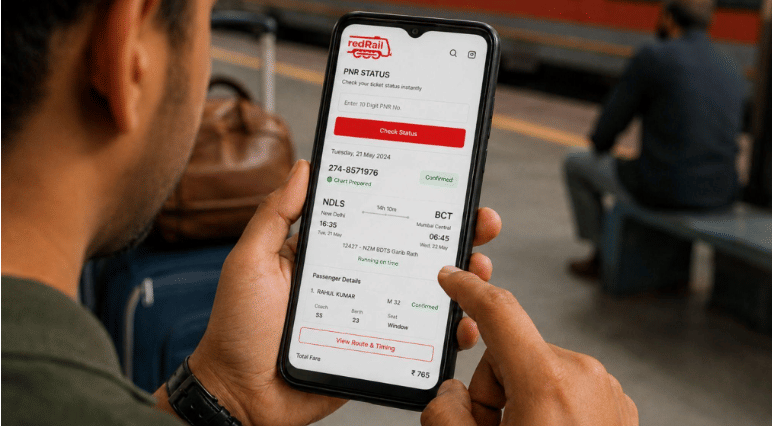
What Railway PNR Details Reveal Before Your Journey

Jyoti Yadav’s Covid Book Challenges India’s Forced Forgetting

Single-Income Families With Home Loans Should Prioritize Term Insurance

Why Indian Work Permit Seekers Face Costly Misinformation

Punjab Faces Calls for Verification Amid Crime and Migration Concerns