

1 hr ago
Iran Says No Military Solution as US Talks Stall
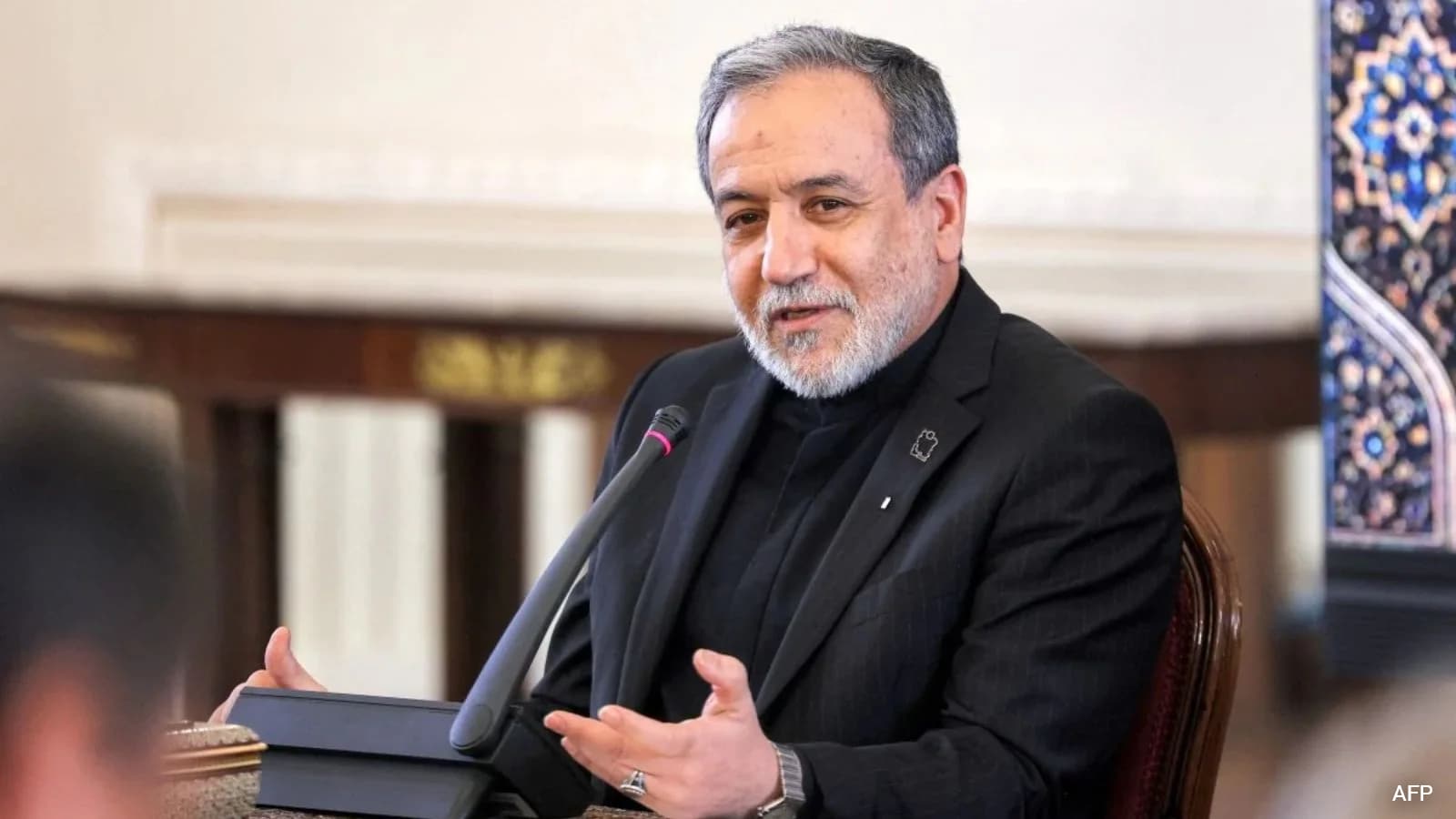
Iran and the United States are still arguing about how to end their conflict.
Iran’s foreign minister says fighting and more sanctions will not solve it, and calls for fair negotiations.
The two countries disagree about the Strait of Hormuz, an important route for ships carrying energy.
Iran wants sanctions lifted and disruptions to its shipping stopped before the strait is reopened.
The United States rejected Iran’s latest proposal but has not ruled out more talks or military action.
A tanker said an unknown object hit it in the strait, but its crew was safe.
The United States has not attacked Iran since September 1, though reports say it is sending more military equipment to the region.

Iranian Foreign Minister Abbas Araghchi said only negotiations based on justice and fairness could end the conflict.
Iran and the United States remain at odds over control of the Strait of Hormuz and sanctions.
Iran says reopening the strait requires an end to disruptions affecting its commercial shipping and the lifting of sanctions.
A tanker reported being struck by an unknown projectile in the Strait of Hormuz; its crew were safe and no environmental impact was reported.
The United States has not struck Iran since September 1 but has reportedly reinforced its military presence in the region.
- Who
- Iran and the United States; Iranian Foreign Minister Abbas Araghchi made the remarks.
- What
- Talks to end the conflict are at an impasse, with disagreement over the Strait of Hormuz, sanctions, and military pressure.
- Where
- The dispute centers on Iran and the Strait of Hormuz, with reported US military deployments in the Middle East.
- When
- Araghchi spoke on Sunday; the article also reports indirect talks last week and says the United States has not struck Iran since September 1.
- Why
- The sides disagree over Iran's control of the Strait of Hormuz, sanctions, and the terms for ending the conflict.
Iran's position
United States' position
How to end the conflict
Iran's position
Araghchi said there is no military or sanctions-based solution and called for negotiations based on justice and fairness.
United States' position
Trump rejected Iran's proposal but left open the possibility of further talks or renewed military operations.
Strait of Hormuz and sanctions
Iran's position
Iran says reopening the strait requires ending disruptions to its commercial maritime traffic and lifting sanctions.
United States' position
The United States has imposed a counterblockade of Iranian ports and has struck vessels it accuses of violating it.
Purpose of the war
Iran's position
Iran has long denied seeking to acquire nuclear weapons.
United States' position
The United States and Israel say the war is necessary to prevent Iran from acquiring nuclear weapons.
Key facts
- Iranian foreign minister
- Abbas Araghchi
- Iranian proposal
- Tehran said it presented seven conditions for reopening the Strait of Hormuz.
- Iran's stated demands
- A regional ceasefire, unfreezing Iranian assets abroad, lifting sanctions on its oil sector, and ending the US naval blockade were among its demands.
- Tanker incident
- A tanker reported damage to its engine room from an unknown projectile; the crew was safe and no environmental impact was reported.
- US strikes
- The article says the United States has not struck Iran since September 1.
- Reported US deployments
- Axios reported additional Patriot missile batteries in Saudi Arabia and Qatar, and that the USS Theodore Roosevelt carrier group was heading to the Middle East.
Quotes

Abbas Araghchi
Iranian foreign minister
“There is no military solution, nor any solution based on new sanctions, only negotiations based on justice and fairness could end the conflict.”
 NDTV
NDTV
“We have clearly indicated that we are focusing on the issue of the Strait of Hormuz”
NDTV
Sources
Related news
Iran Says Diplomacy Only Path as Trump Predicts War’s End
Iran Ties Hormuz Reopening and Talks to US Conditions
US and Iran Resume Mediated Talks Amid Seven-Month War
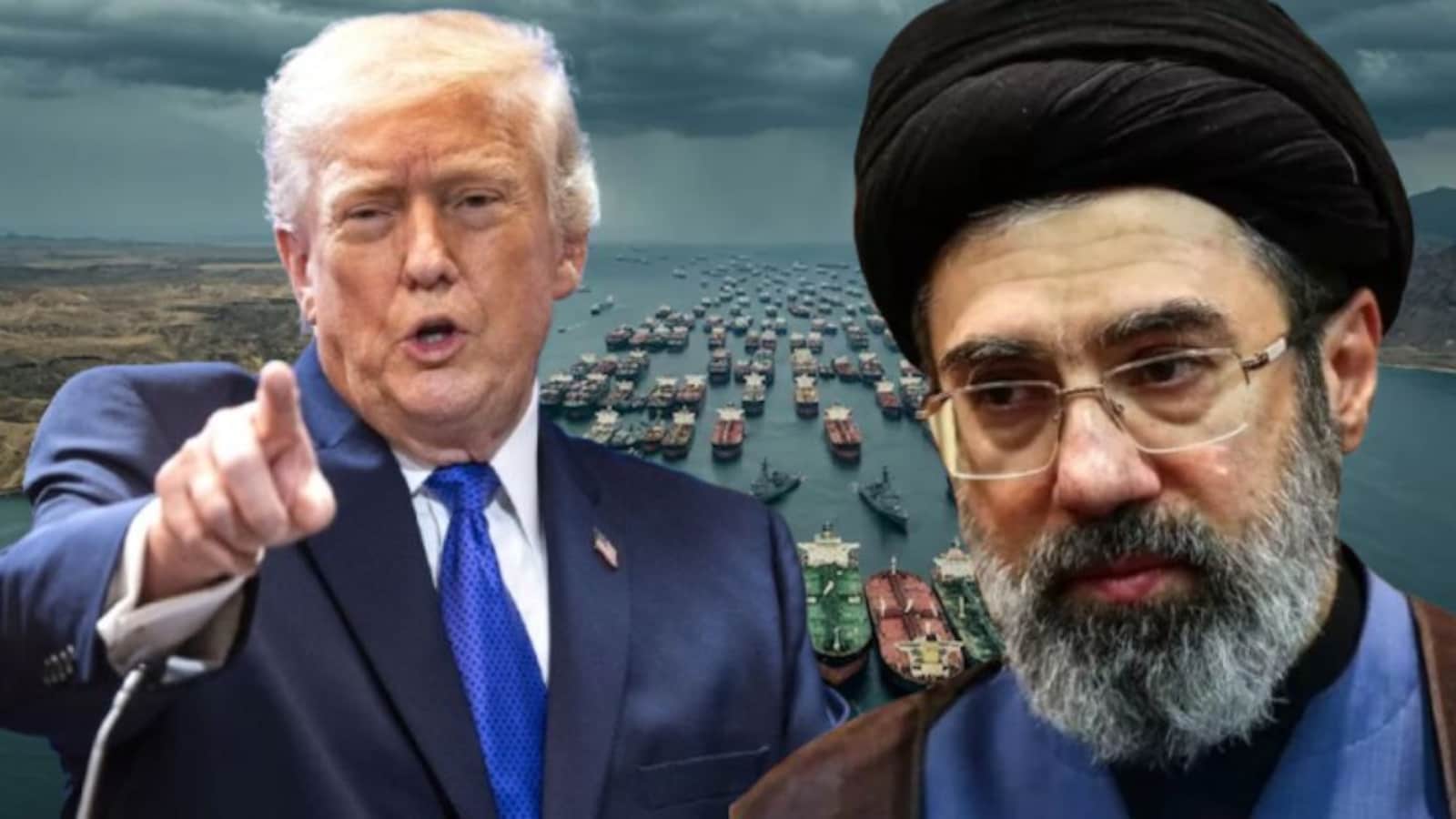
Iran Claims Strike on US Vessel as Hormuz Fighting Escalates
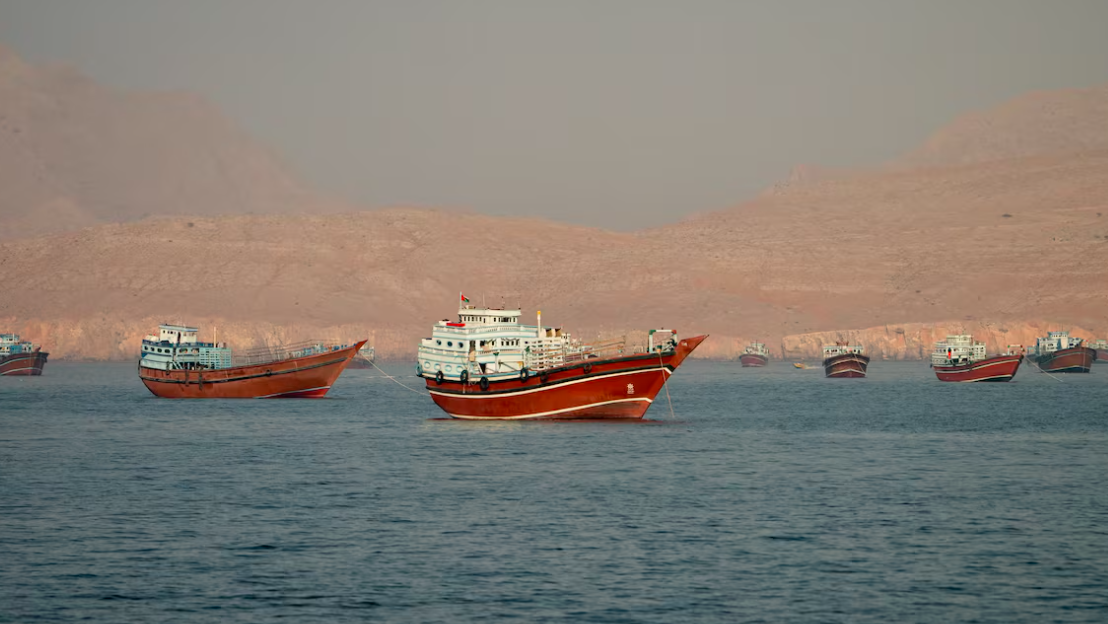
Iran Says Diplomacy Is Only Path in US-Israel Conflict

Iran, US Remain Far Apart as Diplomacy Continues
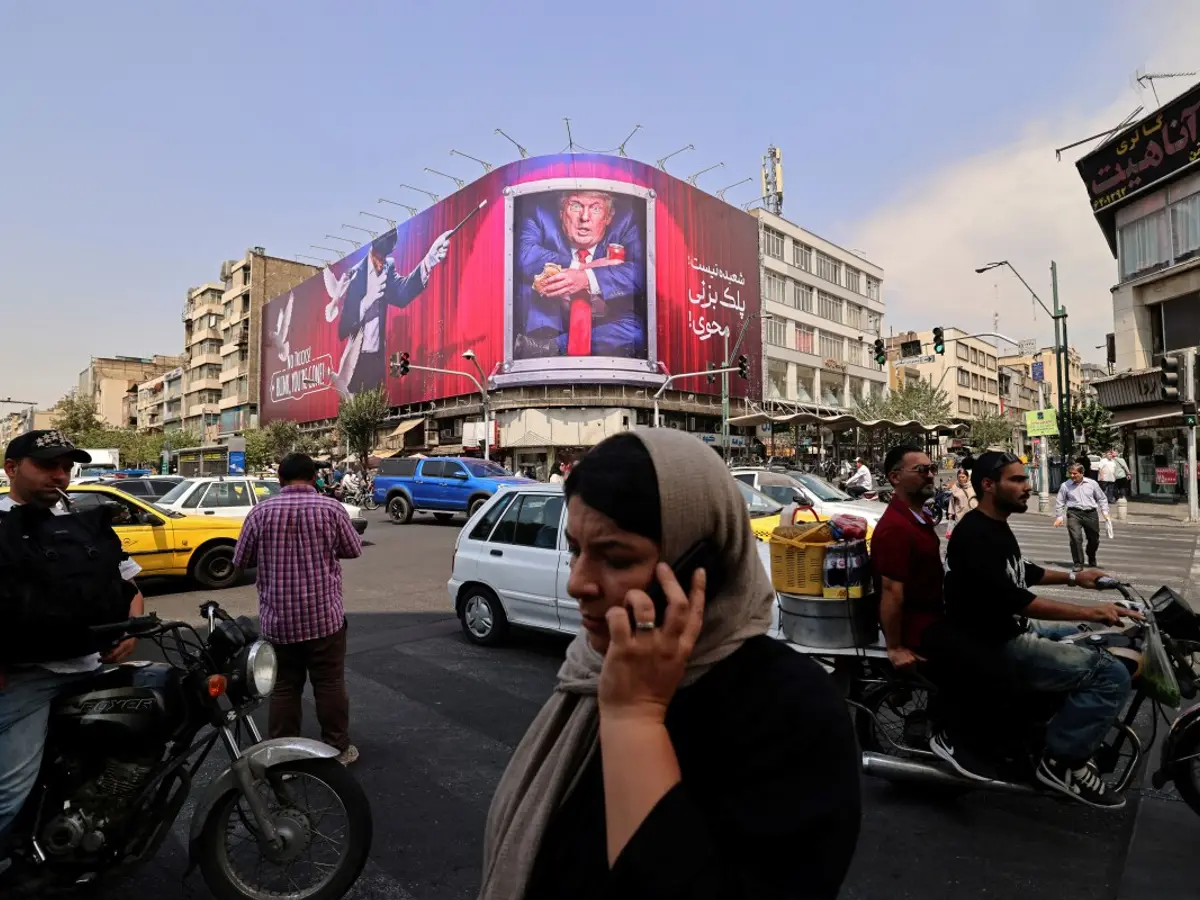
Iranian Billboards Mock Trump and Portray Military Victory

Port Unions Urge Seafarer Protections, Oppose Privatization

Indian Markets Watch RBI Policy, Earnings and West Asia
