

2 hrs ago
US, Iran Separately Seek Mediated Talks To End Seven-Month War

The United States and Iran have been fighting a war for seven months.
Their officials are now speaking separately with mediators to try to stop the fighting.
Iran proposed a seven-day plan to pause hostilities.
The plan includes easing sanctions and unfreezing Iranian money.
Iran says it could reopen the Strait of Hormuz if its conditions are accepted.
The two countries would also return to discussions about Iran’s nuclear program.
President Donald Trump said he rejected Iran’s proposal, but he also said more talks could happen this week.
Iran says it has not received a formal rejection and is waiting for America’s clear answer.

US and Iranian officials separately spoke with mediators on Monday in a renewed effort to end seven months of war.
Iranian Foreign Minister Abbas Araqchi said Tehran was awaiting Washington’s response to its latest seven-day ceasefire proposal.
Iran’s plan calls for an end to hostilities, frozen-asset relief, removal of oil sanctions, and lifting the US blockade on Iranian ports.
Iran would reopen the Strait of Hormuz if its conditions were met, while nuclear negotiations would resume.
President Donald Trump said he had rejected Iran’s proposal but expected US negotiators to hold further talks this week.
- Who
- Officials from the United States and Iran, including President Donald Trump and Iranian Foreign Minister Abbas Araqchi, are involved through mediators.
- What
- The two countries are pursuing renewed mediated discussions aimed at ending the war and negotiating a ceasefire.
- Where
- The discussions involved mediators, while Araqchi remained in New York after the United Nations General Assembly.
- When
- The latest contacts took place on Monday, after seven months of war; further talks were expected later that week.
- Why
- The effort seeks to stop the hostilities, restore maritime traffic through the Strait of Hormuz, address sanctions and frozen assets, and resume nuclear negotiations.
Iran’s Position
US Position
Ceasefire proposal
Iran’s Position
Iran says it has presented a peaceful solution based on a seven-day cessation of hostilities and is awaiting a definitive US response.
US Position
Donald Trump said he rejected Iran’s proposal, while also indicating that US negotiators would hold further talks.
Strait of Hormuz
Iran’s Position
Iran says reopening the waterway depends on the United States meeting its conditions, including sanctions and blockade relief.
US Position
The US position on Iran’s conditions was not detailed in the report.
Status of negotiations
Iran’s Position
Iran says mediators had not formally conveyed a US rejection and that only a negotiated solution can resolve the impasse.
US Position
Trump said the economic pressure on Iran was driving its push for a swift agreement and said US officials were speaking with mediators.
Key facts
- Conflict duration
- Seven months
- War began
- Late February
- Iranian proposal
- A seven-day plan to end hostilities and begin further negotiations
- Iran’s conditions
- Unfreezing Iranian assets, ending oil sanctions, and lifting the US blockade on Iranian ports
- Key waterway
- The Strait of Hormuz, a vital route for oil tankers
- Previous ceasefires
- The US and Iran agreed to mediated ceasefires in April and June, but both unraveled
- Current disagreement
- Trump said the proposal was rejected, while Araqchi said Iran had not received a formal US rejection
Quotes
Abbas Araqchi
Iranian foreign minister
“Our conditions are clear, and any move toward reopening the Strait of Hormuz is contingent on these conditions being met”
 theprint.in
“If the Americans claim they are seeking an agreement or a peaceful solution, we have presented that solution.”
theprint.in
Sources
Related news
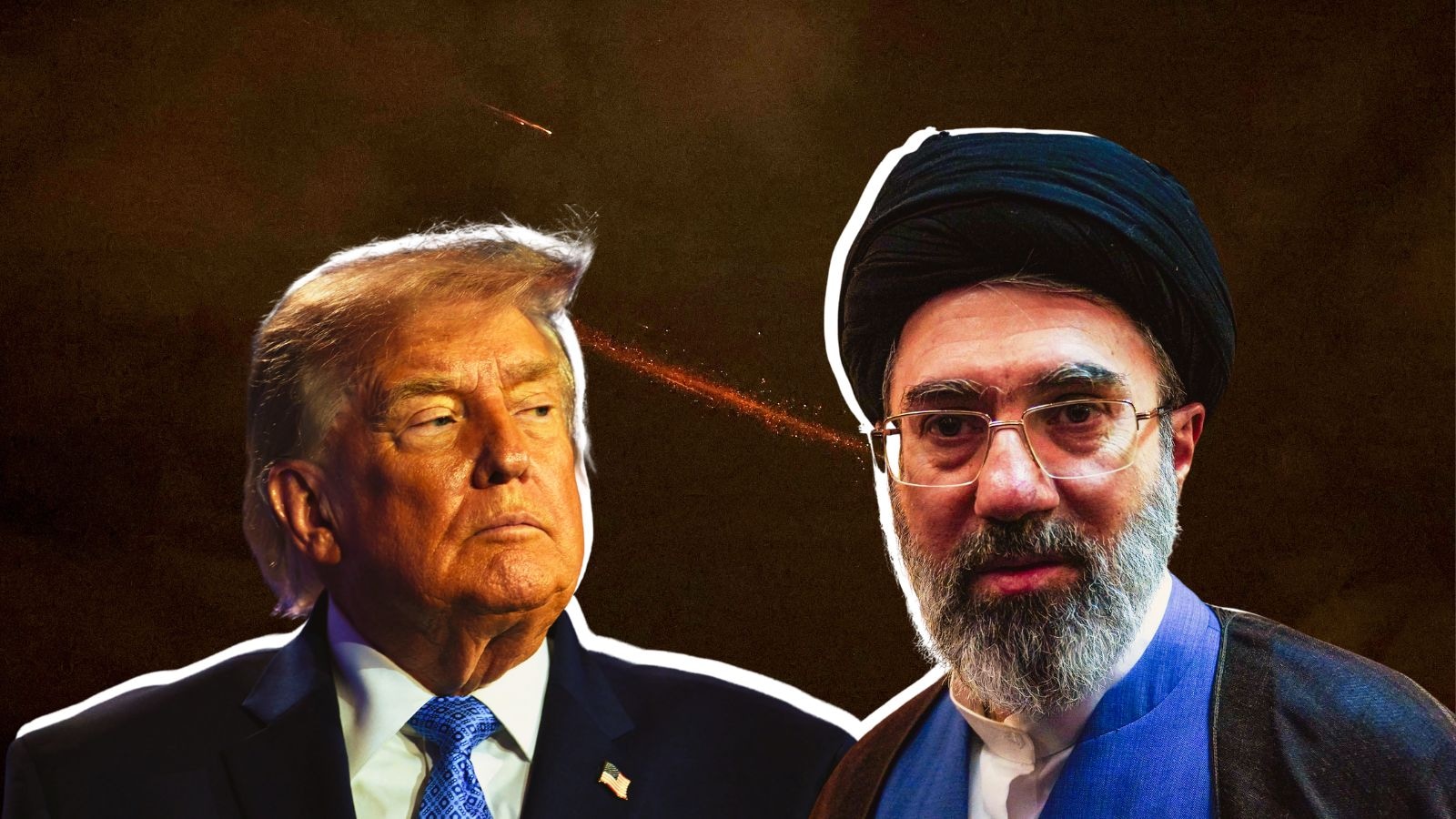
Iran Offers Seven-Day Plan for Hormuz, Nuclear Talks
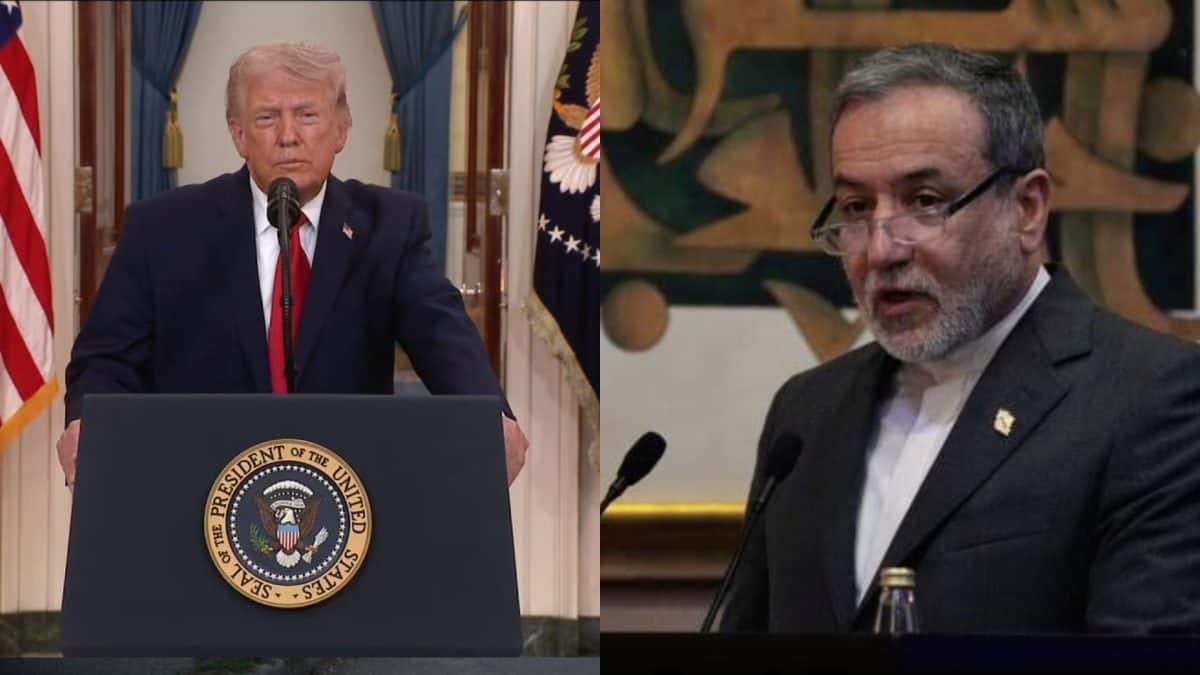
Qatar Revives Iran-US Talks Amid Dispute Over Hormuz
US-Iran Shuttle Talks Raise Hopes Despite No Concessions

Iran Sets Conditions for Renewing Talks With United States

Iran Offers Seven-Day Hormuz Reopening for U.S. Conditions
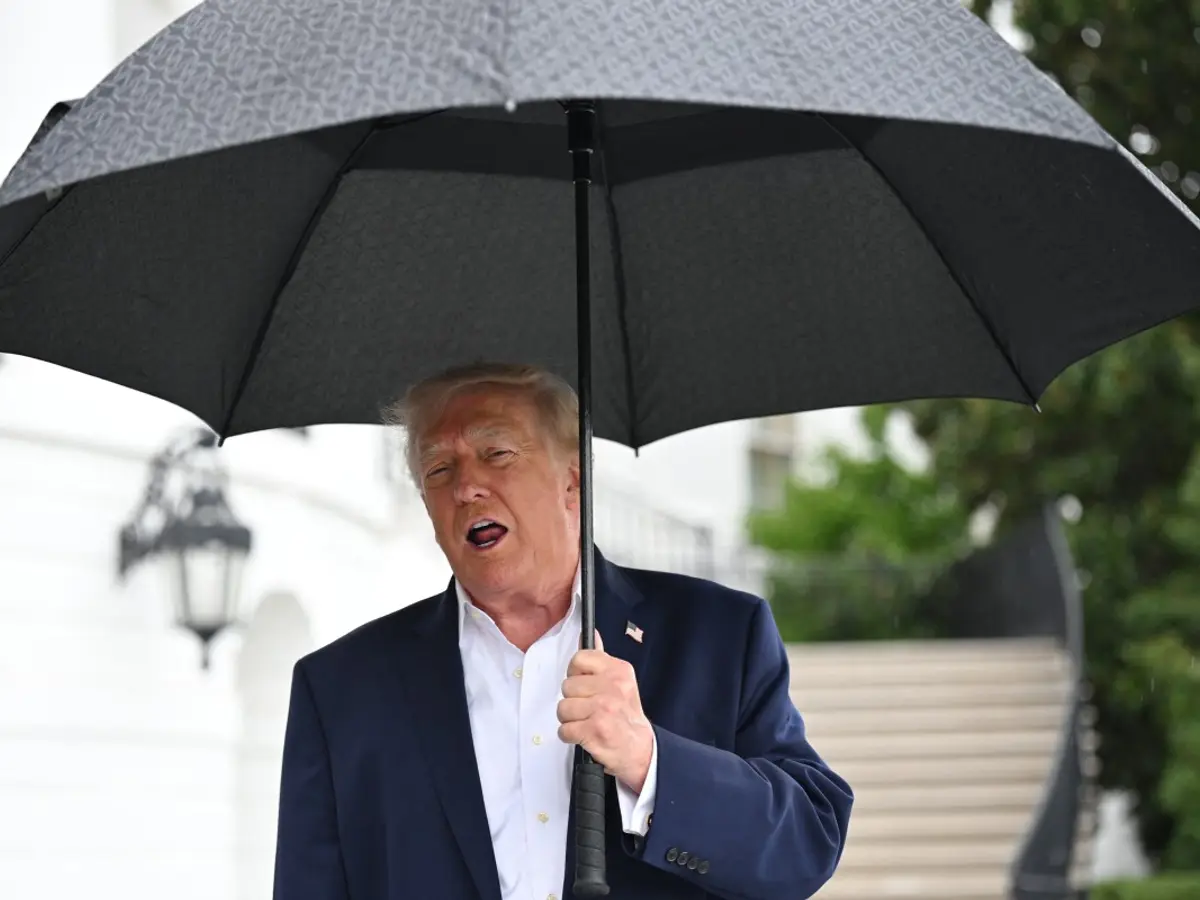
Trump Expects Iran Talks Despite Rejecting Tehran’s War Proposal

Why Indian Markets Are Under Pressure Amid Global Risks
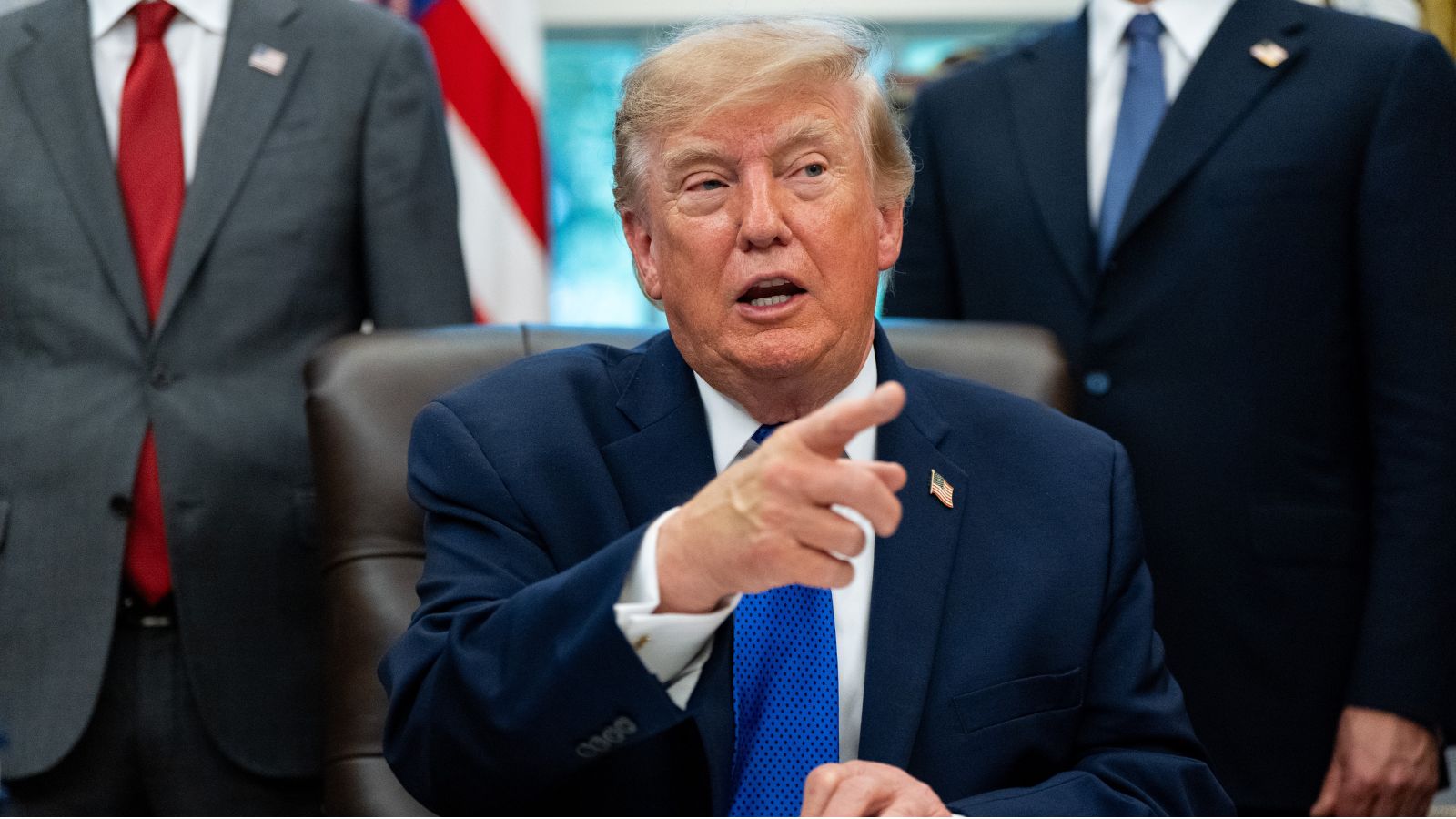
Trump Signals Victory as US-Iran War Diplomacy Continues

Trump Denies Report Offering Iran Sanctions Relief, Funds

Treasury Yields Rise as Middle East Tensions Lift Rate Bets