

2 hrs ago
NHS Trial Brings Brain Tumour Diagnoses From Weeks to Hours
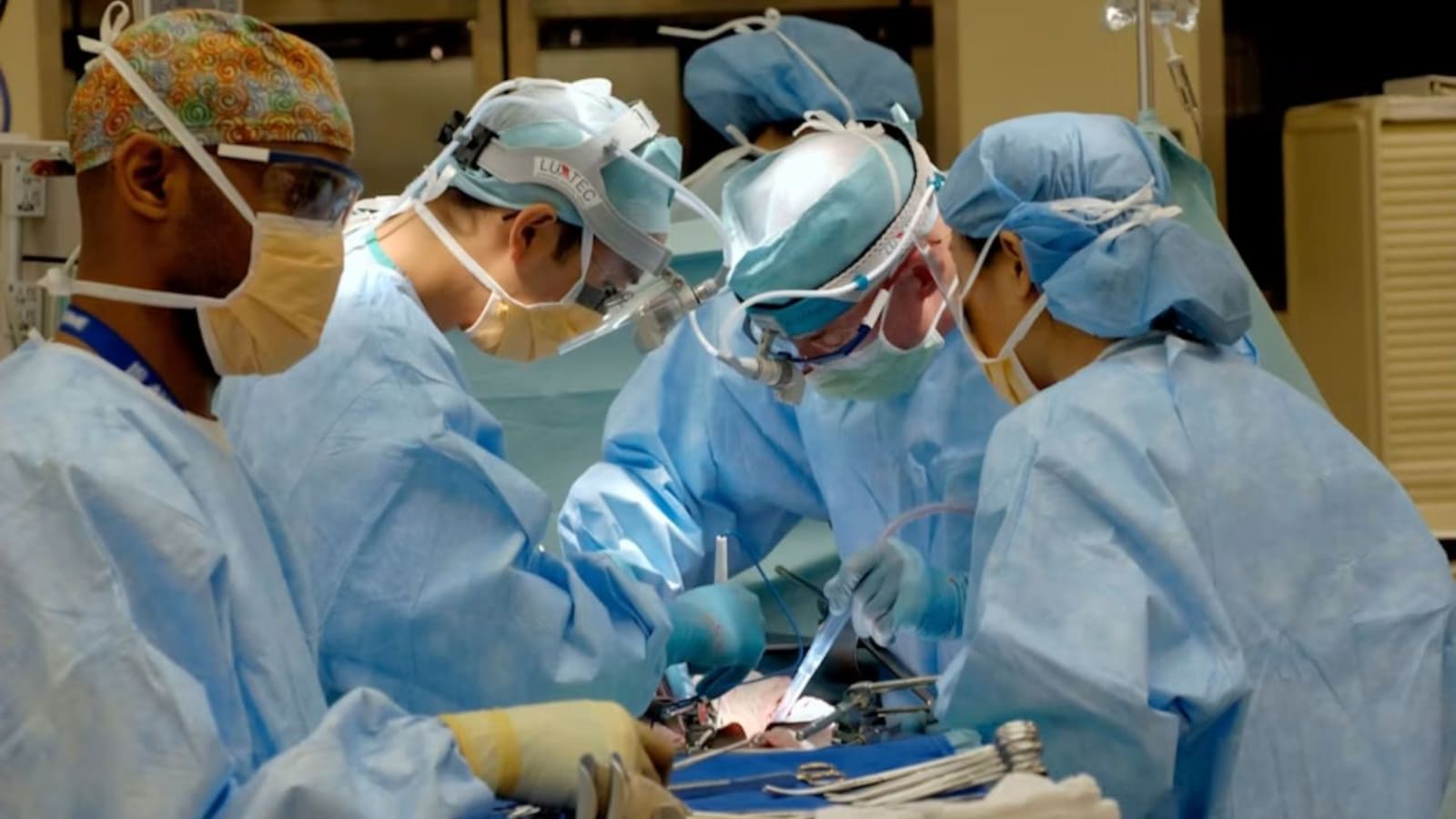
Doctors are testing a new way to identify brain tumours much faster.
They take a small piece of the tumour during a biopsy or operation.
The test studies the tumour’s DNA, which is its genetic code.
This can help doctors learn exactly what type of tumour a patient has.
Some results may be ready in less than two hours while surgery is still happening.
That information may help surgeons decide how much tissue can be safely removed.
Faster answers could also help patients start the right treatment or join clinical trials sooner.
The test is being introduced at several specialist hospitals in England.

A rapid genomic test developed in Nottingham can identify brain tumour types from a small DNA sample.
The NHS says the test could reduce definitive diagnosis times from weeks to days.
In some operations, doctors may receive detailed tumour information in less than two hours.
Faster results could help doctors plan personalised treatment and identify suitable clinical trials sooner.
The first rollout includes specialist centres in Birmingham, Nottingham, London and Newcastle, with more sites expected later.
- Who
- Researchers at the University of Nottingham and Nottingham University Hospitals NHS Trust developed the test, with NHS specialist centres taking part.
- What
- An NHS trial is testing rapid genomic analysis to identify brain tumour types much faster than conventional testing.
- Where
- The technology is being used in Nottingham, with initial rollout at specialist centres including hospitals in Birmingham, Nottingham, London and Newcastle.
- When
- The first rollout phase is now being introduced; in some surgeries, results may be available in under two hours.
- Why
- Faster and more precise diagnoses could help doctors plan treatment, make surgical decisions and identify clinical-trial opportunities sooner.
Key facts
- Test type
- Rapid genomic testing of tumour DNA
- Potential diagnosis time
- Less than two hours for some patients during surgery
- Current comparison
- Conventional definitive diagnosis may take weeks
- Tumour diversity
- There are more than 100 different types of brain tumour
- Developer
- University of Nottingham and Nottingham University Hospitals NHS Trust
- Initial rollout centres
- University Hospitals Birmingham, Nottingham University Hospitals, Great Ormond Street Hospital for Children, King's College Hospital and Newcastle Hospitals
- Expected expansion
- Additional genomic laboratory sites are expected to join in a second phase
Quotes
Prof Frankie Swords
NHS England medical director
“This is a huge leap forward for patients - a faster diagnosis means they can start the right treatment or access clinical trials sooner, while for some patients it could mean surgeons can make potentially life-changing decisions about their surgery while on the operating table.”
 NDTV
NDTV
“the potential to completely transform how we diagnose brain tumours”
NDTV
Sources
Related news
London Surgeons Use AI in World-First Brain Tumour Operation
Home Urine Test Shows Promise for Detecting Bladder Cancer

World’s First Live AI-Assisted Surgery Removes Brain Tumour
Australian Researchers Challenge Old Assumptions in Brain Tumour Treatment
New At-Home Urine Test Detects 92% of Bladder Cancers

Guntur genomic centre inaugurated to expand precision cancer care

Michael Kiwanuka Reveals Stroke While Announcing New Album Fudge
NHS Productivity Reforms Could Save Thousands of UK Lives

Indian Passenger Dies After Reported Asthma Attack on Flight
Enhertu Approved for NHS Use in England After Cost Review
