7 hrs ago
Burnham Proposes Electoral Reform Ahead of Next UK Election
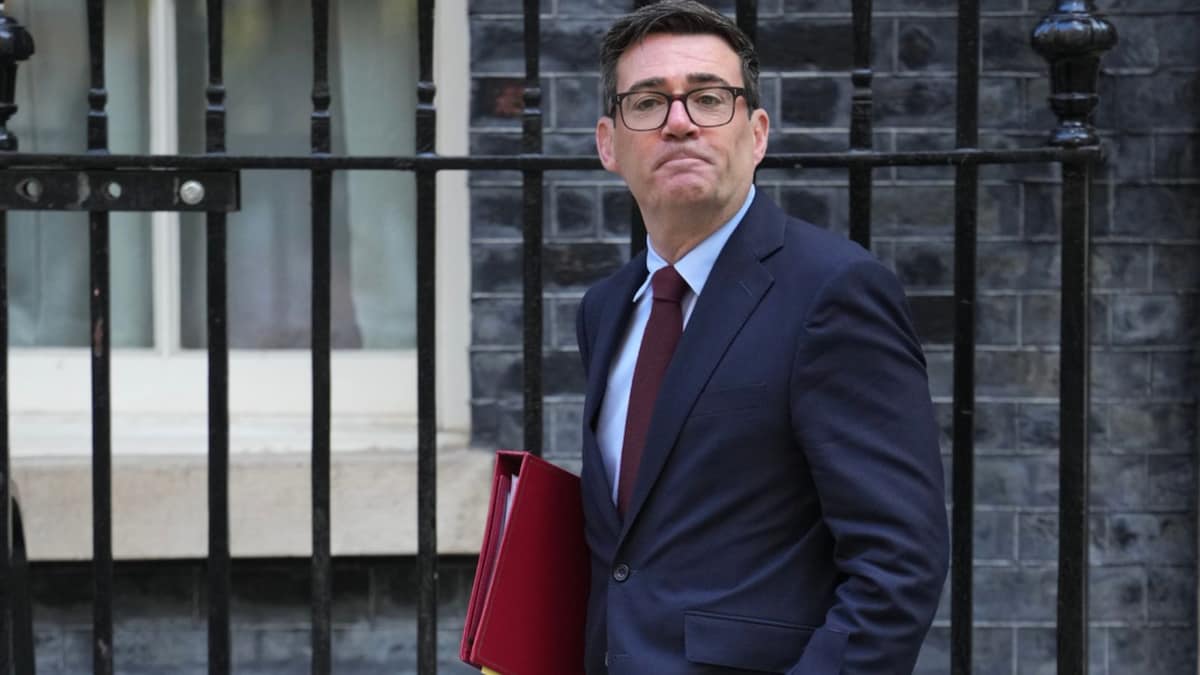
Andy Burnham wants to change how people elect members of Parliament in the United Kingdom.
The current system is called first-past-the-post.
Under this system, the party with the most winners in individual areas usually forms the government.
Burnham prefers proportional representation, which would aim to make the number of seats each party gets closer to its share of the vote.
He said Labour will promise this change in its next election manifesto.
He is also creating a commission to study electoral reform.
Burnham wants all political parties to help with the commission’s work.
He says the current system can allow a party to govern after receiving 30% of the vote or less.
The next election is expected in 2029, but changing the system could be difficult and unpopular with some people.

Prime Minister Andy Burnham said Labour will seek electoral-system reform in its next election manifesto.
Burnham announced a national commission to examine replacing first-past-the-post with proportional representation.
He plans to invite all political parties and pursue cross-party support for possible reforms.
Burnham argued the current system is divisive because governments can take power with 30% of the vote or less.
The next UK election is due in 2029, while a 2011 referendum on alternative voting was rejected.
- Who
- Prime Minister Andy Burnham and the Labour Party, with other political parties invited to participate in a reform commission.
- What
- A proposal to consider replacing the first-past-the-post electoral system with proportional representation.
- Where
- The United Kingdom.
- When
- Announced on Tuesday at the annual Labour Party conference; the next election is due in 2029.
- Why
- Burnham says the current system is divisive and does not fairly reflect the distribution of votes.
Support Electoral Reform
Retain First-Past-the-Post
Representation
Support Electoral Reform
Proportional representation could better align parties’ parliamentary seats with their share of the vote.
Retain First-Past-the-Post
The current system remains the established method, and the article does not identify a specific alternative argument from supporters of retaining it.
Political stability
Support Electoral Reform
Burnham says first-past-the-post is divisive because a party can form a government with 30% of the vote or less.
Retain First-Past-the-Post
Changing the system could be difficult and would not be universally liked, according to Burnham.
Party competition
Support Electoral Reform
Supporters of reform point to the rise of Reform UK, the Green Party and nationalist parties as evidence that the traditional two-party system is fracturing.
Retain First-Past-the-Post
The 2011 referendum’s rejection of alternative voting shows that voters have previously declined a proposed electoral-system change.
Key facts
- Current system
- First-past-the-post
- Proposed alternative
- Proportional representation
- Parliamentary majority
- A party generally needs at least 326 of 650 seats
- Next election
- Due in 2029
- Commission
- A national commission on electoral reform
- Previous referendum
- A 2011 proposal for the alternative-vote system was rejected
- Political trend
- Labour and the Conservatives have lost votes to Reform UK, the Green Party and nationalist parties
Quotes

Andy Burnham
Prime Minister and Labour Party leader
“We will contest the next election with a manifesto commitment to change the electoral system”
 CNBC TV 18
“I want to underpin our plan for Britain with a new politics”
CNBC TV 18
Sources
Related news

Andy Burnham Pledges Social Care Reform Plan At Next Election
Braverman Seat Threatened as Reform UK Vote Share Falls
Can Burnham Turn Labour’s ‘Hope Again’ Into Lasting Change?
Green Leader Polanski Targets Starmer’s Vacated Parliament Seat
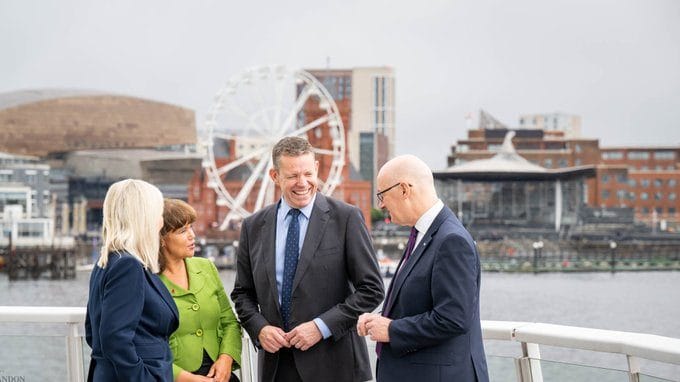
Scotland, Wales and Northern Ireland Renew UK Breakup Debate

Reform Faces Donation Questions as Labour Claims Polling Bounce
Record Green Support Reshapes New Zealand Coalition Prospects
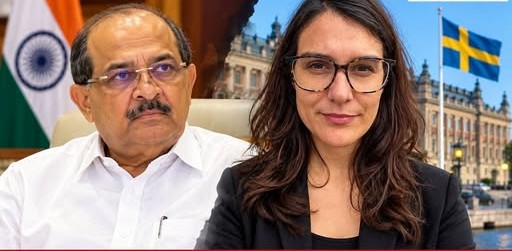
Indian-Origin Swedish MP Questions Relatives' Claims Over Her Victory

Swedish MP Nila Vikhe Patil Rejects Estranged Family's Claims
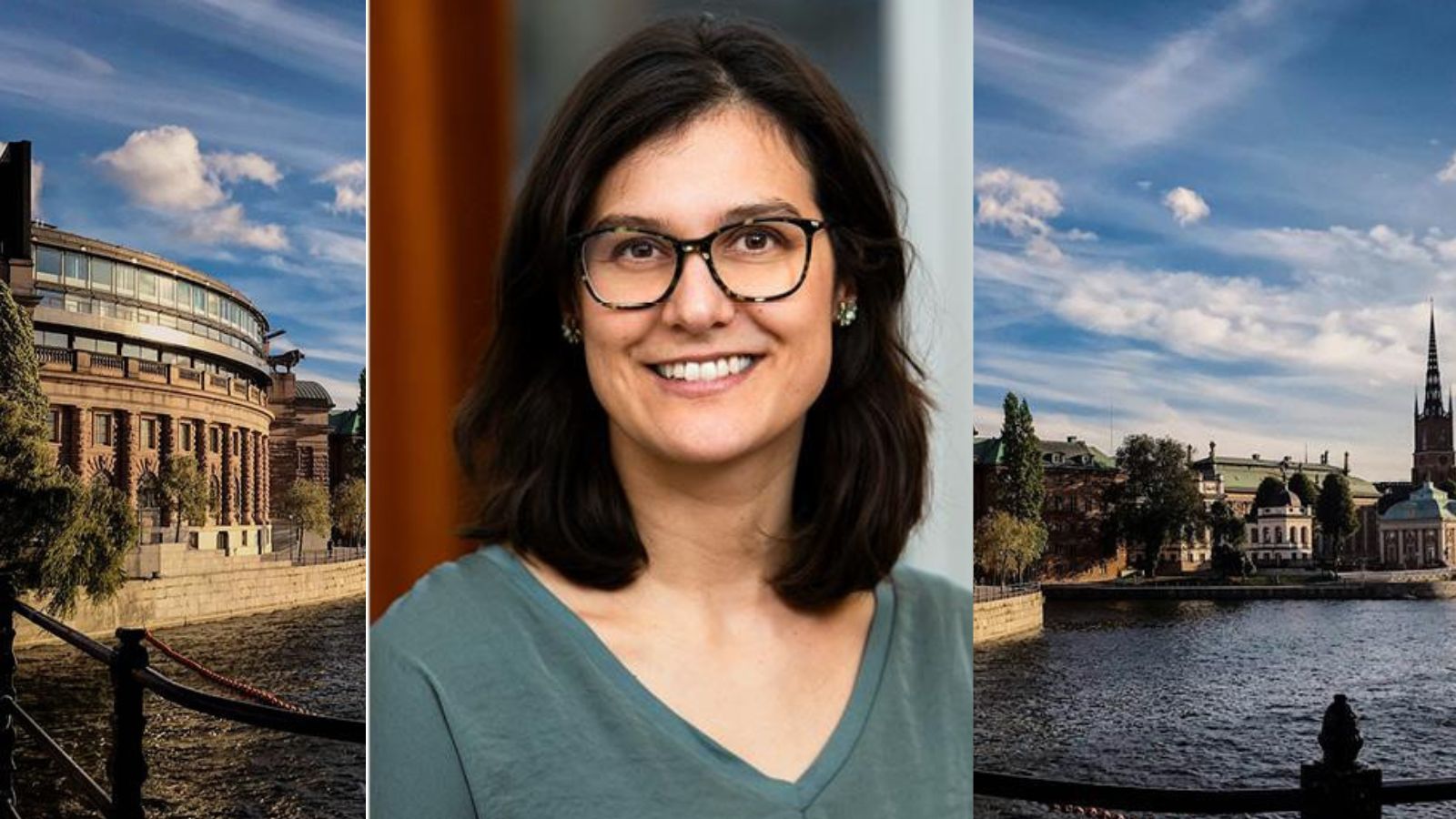
Nila Vikhe Patil Elected to Sweden’s Parliament From Stockholm