1 hr ago
Attendance Bonuses Expose the Changing Meaning of Showing Up

Companies hire many extra workers when festive sales become busy.
Some warehouse and delivery workers leave before the busy season ends.
To encourage them to stay, companies offer extra money for attending work and completing the season.
The article says hourly pay can rise from about Rs 110 to Rs 150 during the peak period.
In technology companies, office attendance is also being watched more closely.
Tata Consultancy Services has reportedly connected office presence with some pay and promotion decisions.
Supporters say being together can help teams collaborate and train junior workers.
The writer argues that paying people to stay may show that the jobs themselves are not attractive enough.

Myntra hired more than 26,000 seasonal workers, while Flipkart said it created about 250,000 direct and indirect seasonal jobs.
E-commerce companies are offering attendance, retention and season-completion bonuses to reduce worker departures during festive sales.
Around 35-40% of frontline festive workers reportedly left before the season ended last year.
Seasonal hourly pay is reported to rise from about Rs 110 to Rs 150, encouraging workers to switch jobs for slightly higher wages.
Tata Consultancy Services has reportedly linked variable pay and promotions to office attendance under its five-day mandate.
- Who
- Myntra, Flipkart, Tata Consultancy Services, seasonal frontline workers and technology employees.
- What
- Companies are using attendance, retention and completion bonuses for seasonal workers, while some technology firms are tying workplace attendance to compensation or promotions.
- Where
- E-commerce warehouses, delivery operations and technology offices; specific locations are not stated.
- When
- During the festive sales season; the article also discusses workplace policies introduced after the pandemic.
- Why
- Companies want to reduce seasonal worker departures and encourage employees to attend offices more regularly.
Employer rationale
Article’s criticism
Attendance incentives
Employer rationale
Bonuses can help companies keep enough workers through the busy festive-sales period, when many frontline employees leave early.
Article’s criticism
The bonuses may reveal that the jobs and their working conditions are not attractive enough to make people stay on their own.
Office presence
Employer rationale
Working in person can support collaboration and help junior engineers learn from senior colleagues.
Article’s criticism
Measuring attendance can replace harder-to-assess measures of results, despite employees having demonstrated during the pandemic that work can be done remotely.
Retention strategy
Employer rationale
Referral and completion payments give workers a clear financial reason to remain through the season.
Article’s criticism
Paying people to stay may secure short-term attendance without addressing why they want to leave or whether they will return next year.
Key facts
- Myntra seasonal hiring
- More than 26,000 seasonal workers
- Flipkart seasonal jobs
- About 250,000 direct and indirect jobs
- Reported frontline attrition
- 35-40% left before the festive season ended last year
- Peak hourly pay
- About Rs 110 to Rs 150
- Seasonal incentives
- Attendance, retention and season-completion bonuses
- Tata Consultancy Services policy
- Variable pay and promotions reportedly linked to office presence under a five-day mandate
Sources
Related news

India's Festive Season Expected to Add 2.5 Lakh Jobs
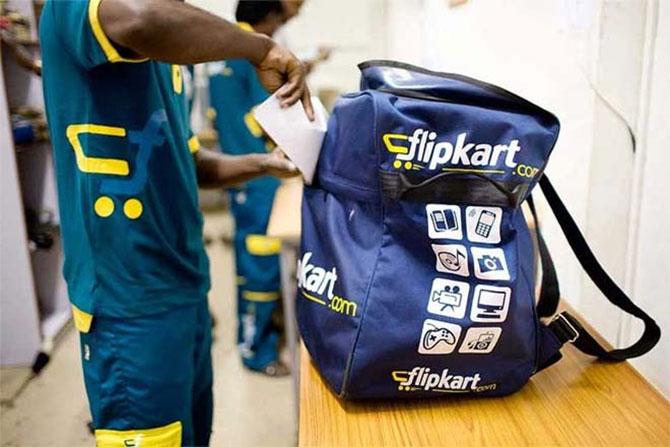
Flipkart Creates 2.5 Lakh Festive Jobs Amid Demand Surge
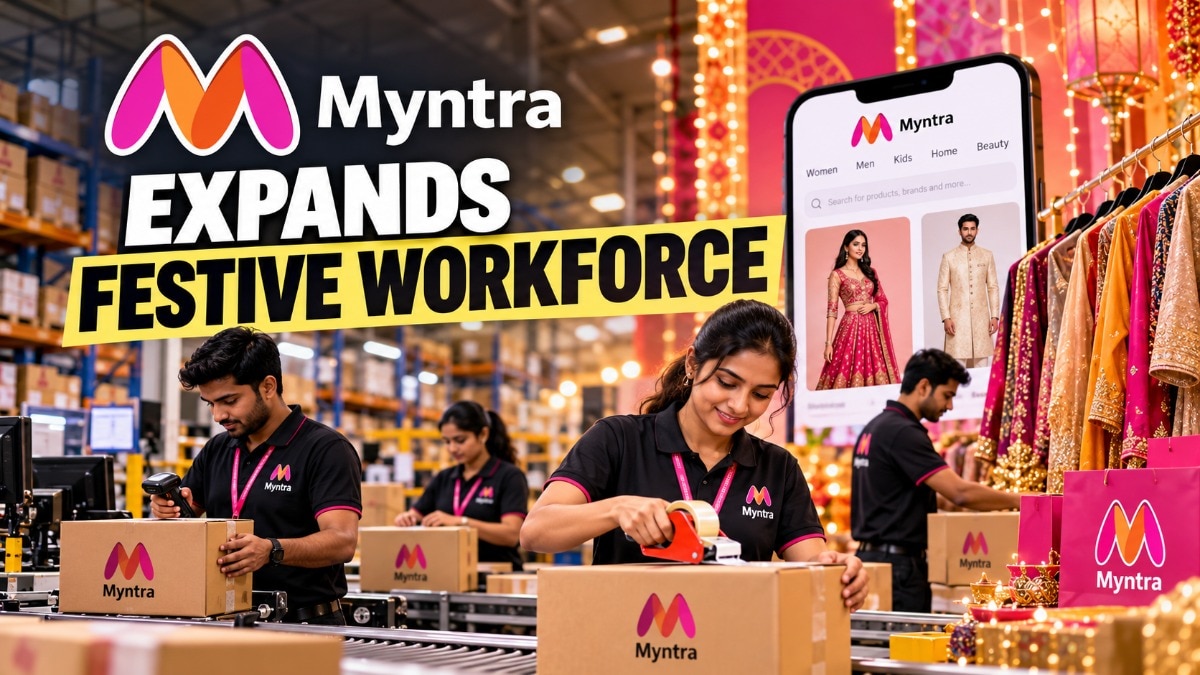
Myntra Plans 26,000 Seasonal Jobs for Big Fashion Festival

Bengaluru CEO Says Spite Motivated Employees’ Weekend Work

Employee Claims HR Denied ₹50,000 Referral Bonus Over Old Application

Amazon India Creates 1.6 Lakh Seasonal Jobs for Festive Rush

India’s Live Commerce Shows Promise Despite Conversion and Scale Challenges

Flipkart Big Billion Days Reveals iPhone 17, Galaxy S25 Deals

Nomura warns Meesho valuation may fall 24% against rivals

Amazon Bets $3 Billion on India’s Quick-Commerce Expansion