

1 week ago
Modi’s Meme-Age Politics Faces Youth Backlash and Labels

Students in India became angry after serious exam leaks and other education problems.
Many also worried about unemployment and the cost of education.
Protests grew, and police used tear gas and batons during one march in Delhi.
The government then offered exam changes and fast-track courts, and Education Minister Dharmendra Pradhan resigned.
Narendra Modi tried to connect with young people through Instagram videos and friendly language.
Many young users mocked the videos instead of accepting the message.
Later, Modi warned about people he called “dimaagi naxals,” meaning people he said supported dangerous extremist ideas.
Supporters said the label was meant to protect the country from violence and separatism.
Critics said it unfairly treated questioning young people and protesters as enemies.

Student anger over exam leaks, unemployment and education costs grew into protests in Delhi.
Police used tear gas and batons during a July 20 march, while both sides reported injuries.
Education Minister Dharmendra Pradhan resigned, alongside exam-reform concessions and promises of fast-track courts.
Narendra Modi’s Instagram outreach to Gen Z was mocked online through memes and satire.
The prime minister’s “dimaagi naxal” label divided opinion and was quickly adopted by critics as a badge of honour.
- Who
- Indian students and youth protesters, the government led by Narendra Modi, Education Minister Dharmendra Pradhan, police, and critics of the “dimaagi naxal” label.
- What
- A student-led protest movement over exam leaks and wider youth grievances challenged the government’s narrative control and triggered political concessions, social-media backlash and an ideological counterattack.
- Where
- The protests and attempted march took place in Delhi, including at Jantar Mantar and near Parliament; the online response spread across social-media platforms.
- When
- The sequence unfolded over the past month, including a July 20 march and Narendra Modi’s Independence Day speech.
- Why
- Students protested exam leaks, unemployment and education grievances, while the government sought to contain the unrest, reconnect with young audiences and portray alleged extremist ideology as a continuing threat.
Government and Supporters
Critics and Protesters
Meaning of “dimaagi naxal”
Government and Supporters
Supporters and the government said the term referred not to ordinary questioning but to people who support Maoists, reject the Constitution, back separatists or advocate severing the North-East.
Critics and Protesters
Critics said “dimaagi” effectively attacked questioning minds and portrayed dissenters and student protesters as ideological or security threats.
Handling the protests
Government and Supporters
The government’s supporters viewed the response as an effort to contain disorder, address exam concerns and prevent extremist ideology from influencing institutions.
Critics and Protesters
Critics saw the initial hard line, police action and later concessions as evidence that the government reacted only after protests became too large and visible to ignore.
Modi’s youth outreach
Government and Supporters
The Instagram videos and repeated use of “friends” were intended to show empathy and reach Gen Z on platforms it uses heavily.
Critics and Protesters
Young users mocked the videos and turned “we’re not friends” into a widely shared retort, suggesting the outreach failed to restore narrative control.
Key facts
- Main grievance
- Paper leaks in high-stakes examinations, including NEET, alongside unemployment and concerns about an extractive education system.
- Protest date
- A protest march toward Parliament was attempted on July 20.
- Police response
- Police used tear gas and batons; protesters and police reported injuries, with observers alleging excessive force.
- Government response
- The government offered exam reforms and fast-track courts and withdrew cases against protesters, according to the article.
- Ministerial resignation
- Education Minister Dharmendra Pradhan resigned after sustained public pressure.
- New political label
- Narendra Modi used “dimaagi naxals” in his Independence Day speech to describe what he portrayed as a residual ideological threat.
- Online reaction
- Critics created a satirical Dimagi Naxal Party account, and the phrase reportedly attracted hundreds of thousands of followers.
Quotes
Prime Minister Narendra Modi
Chief Executive of India
“Mr Modi claimed near-success against armed Naxalism and warned that “dimaagi naxals”, those with a Maoist mindset, remained.”
 thestatesman.com
Sources
Related news
Opposition leaders hit back at Modi's 'dimagi Naxal' remark
Congress dubs Modi 'master abuser' over 'dimaagi Naxals' remark
Modi warns of 'dimaagi Naxals,' announces AI training for youth
BJP Keeps Its Eye on the Ball After Pradhan's Resignation
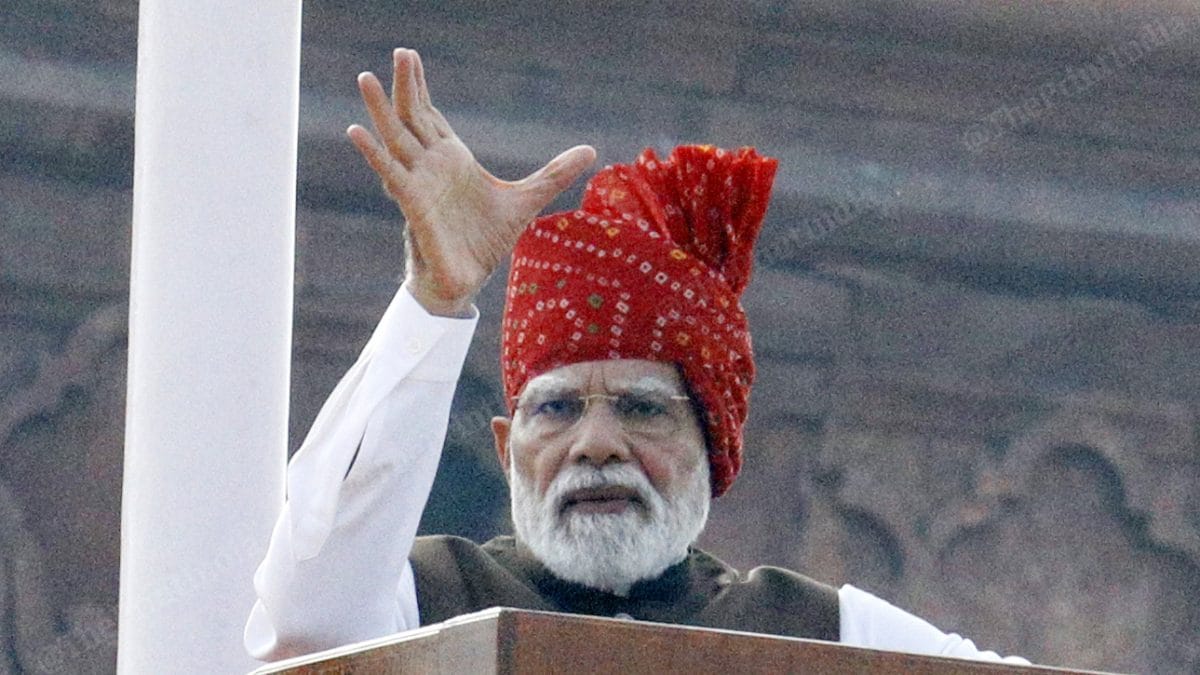
'Dimagi Naxal' remark shows Modi running out of enemies
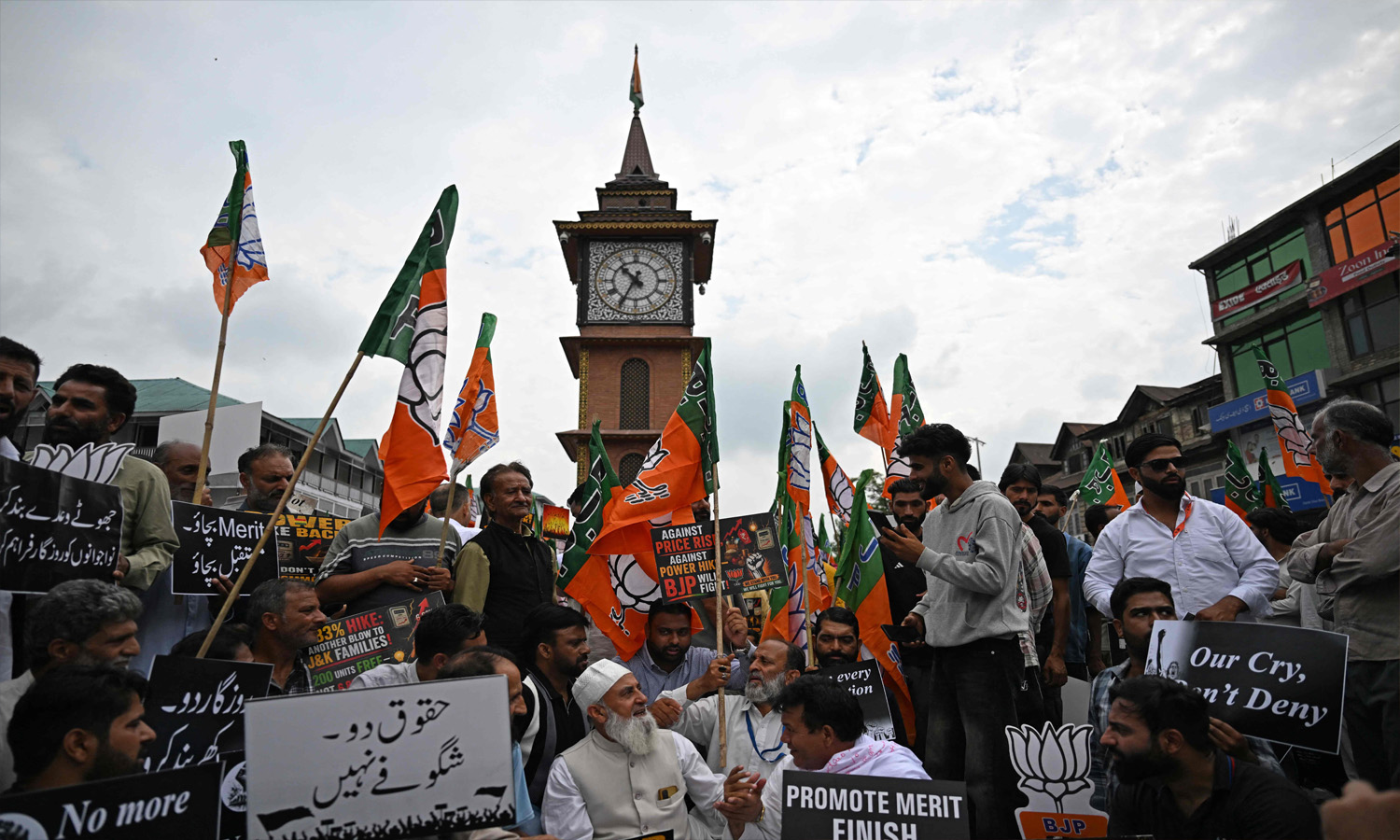
NC and BJP Protests Escalate J&K Statehood, Governance Clash
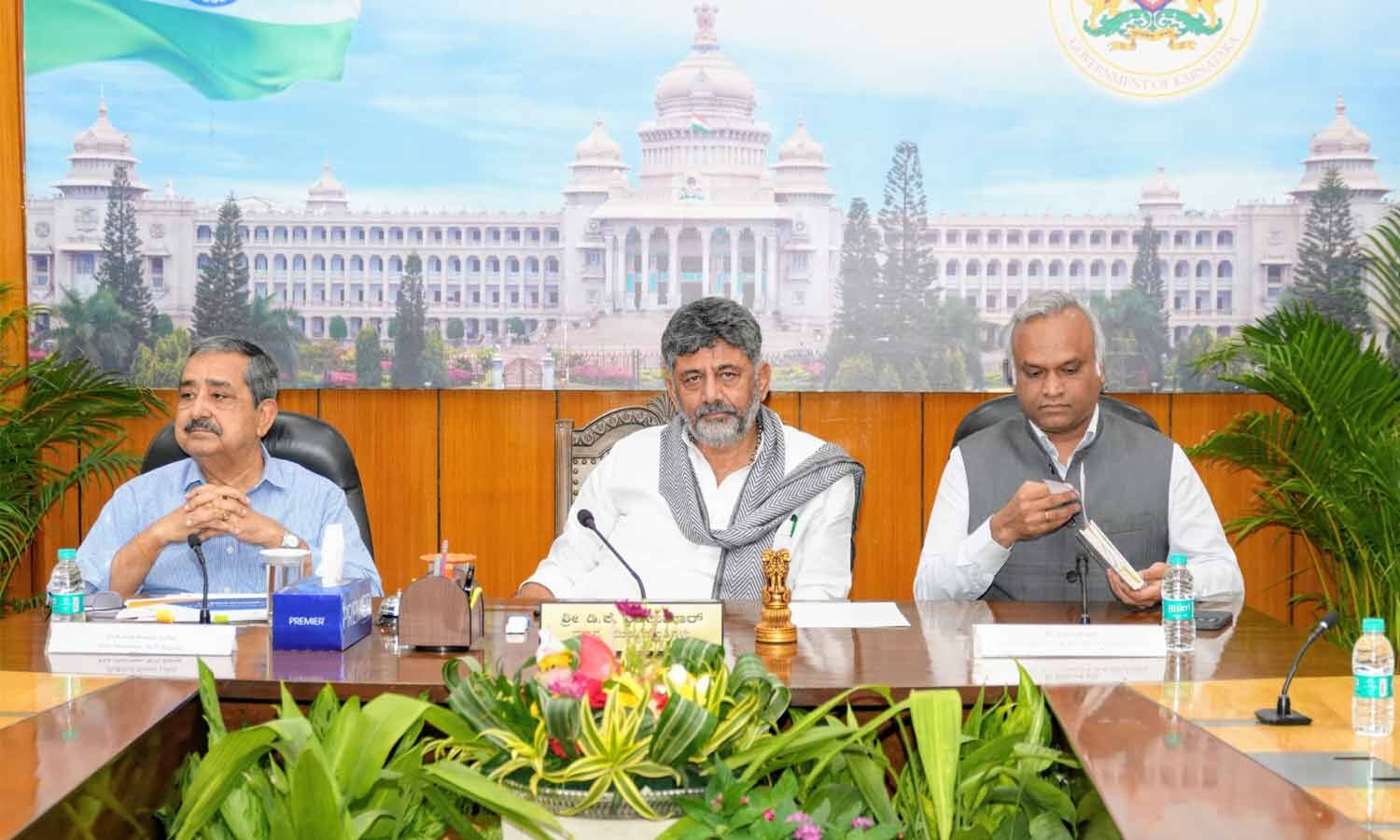
Shivakumar Calls BJP Padayatra Cover-Up for Internal Crisis
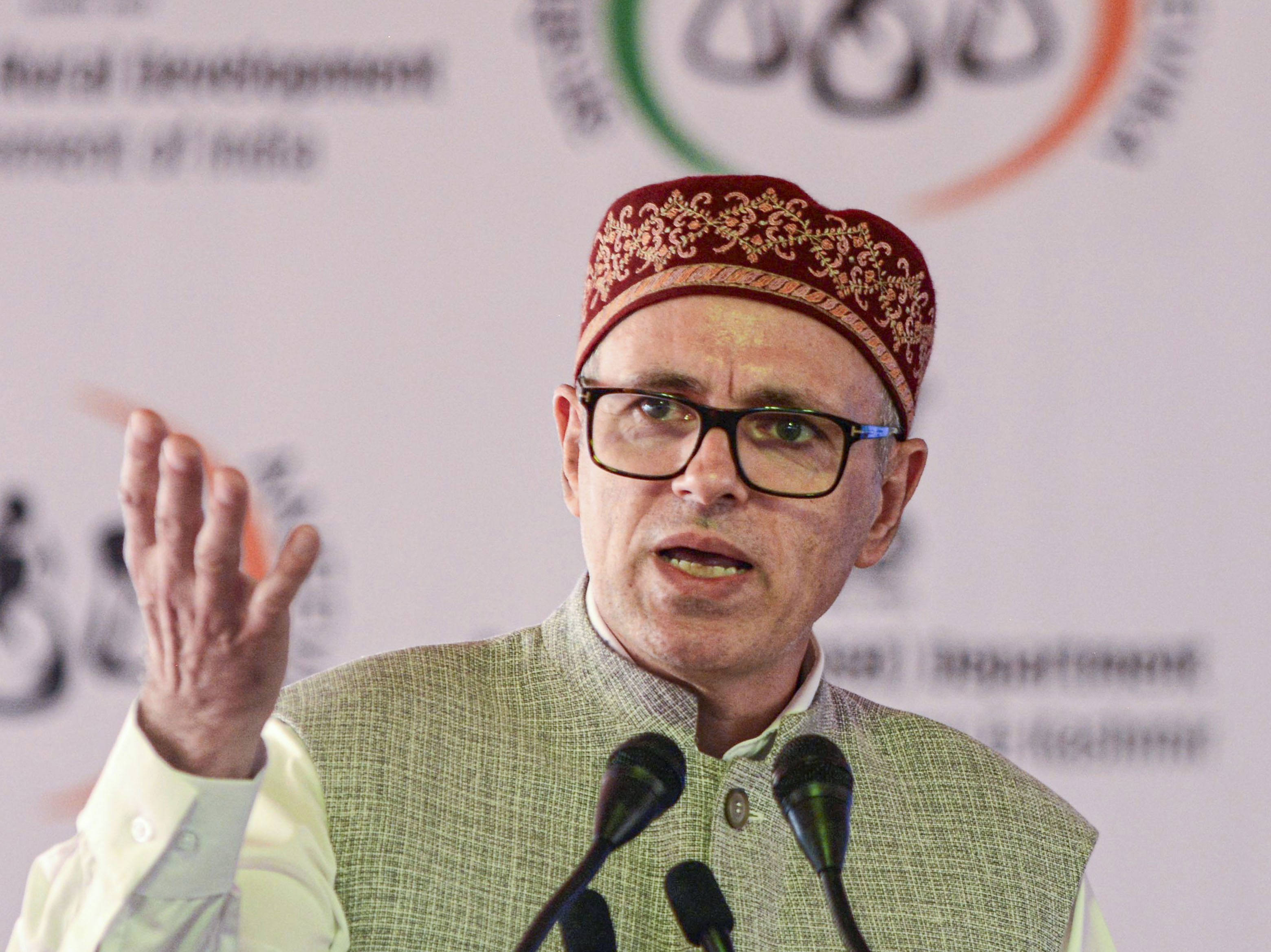
Omar Abdullah Alleges Unequal Treatment of Srinagar Political Protests

Manipur Census Deferment Welcomed as Step Toward Public Aspirations
TMC Alleges Police Misuse and Denial of Legal Notices
