

3 weeks ago
BJP Keeps Its Eye on the Ball After Pradhan's Resignation
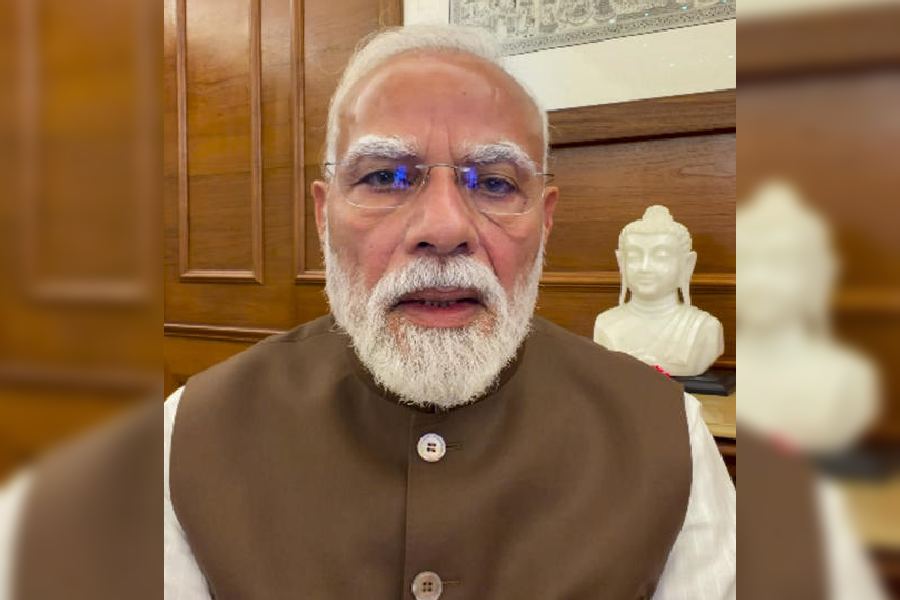
Some young people in India got upset because exam question papers leaked before the tests.
They thought that was not fair to students.
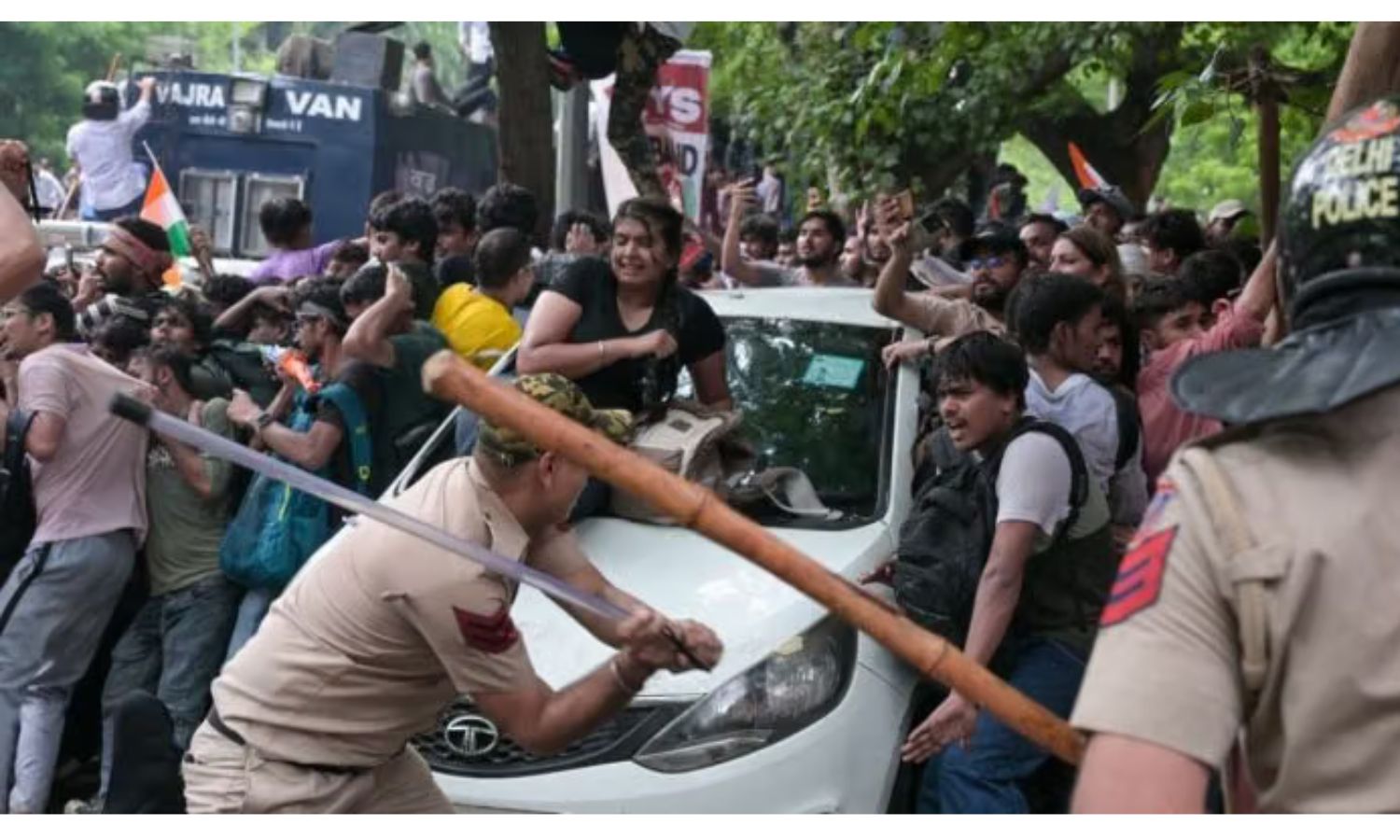
So they went out to protest in Delhi, the capital city of India.
The protests grew very big and became a big story.
The person in charge of education, Dharmendra Pradhan, had to leave his job because of the protests.
Some people said this meant the government led by Narendra Modi was in trouble.
But one writer said the government is still strong and handled things quickly.
The protests mostly happened around Delhi, and a similar protest in Calcutta did not become big.
The government also started working on a safer, foolproof way to run exams.
This summary is based on one opinion column, so other people may see the story differently.

Education Minister Dharmendra Pradhan resigned after a sustained Delhi youth agitation over examination question paper leaks, including the NEET leak.
Led by the 'Cockroach Janta Party,' the movement drew Generation Z and middle-class support and eventually escalated to attacks on Prime Minister Narendra Modi.
The article asserts the agitation's reach was largely confined to Delhi and the National Capital Region; a copycat stir in Calcutta failed to gain traction.
The BJP quickly mounted a counter-offensive after the resignation, including a message of forgiveness, which the article credits to Modi's political dexterity.
As part of reforms, Nandan Nilekani was given responsibility to evolve a robust, foolproof examination system.
- Who
- Dharmendra Pradhan, who resigned as India's education minister; Prime Minister Narendra Modi and the Bharatiya Janata Party (BJP); and the youth-led 'Cockroach Janta Party' agitators.
- What
- A sustained youth agitation over examination question paper leaks, including the NEET leak, forced Education Minister Dharmendra Pradhan's resignation and sparked debate about the Modi government's political standing.
- Where
- Delhi, including Jantar Mantar, and the National Capital Region; the article also references Calcutta and victories in West Bengal and Assam.
- When
- The article gives no specific dates; the agitation and resignation occurred over roughly a fortnight before the analysis was published.
- Why
- The agitation was driven by outrage over examination paper leaks and administrative missteps, and it became a magnet for forces with grievances against the government.
Critics and Opposition
Government and Conservative View
Government's political standing
Critics and Opposition
The agitation shows Generation Z and the middle class have lost faith in the Modi government, and comparisons with the Anna Hazare movement suggest the government is in decline.
Government and Conservative View
The obituaries are premature; the BJP kept its eye on the ball and Modi responded with political dexterity, so the movement was a momentary lapse, not a turning point.
The agitation's real agenda
Critics and Opposition
The movement was driven by young people with pure, noble motives responding to genuine grievances such as exam paper leaks.
Government and Conservative View
The real agenda went beyond Pradhan's resignation; the stir was a magnet for all forces with a grievance against the BJP, including Left organizers and sovereign powers that prefer a less coherent India.
Scale of the protest
Critics and Opposition
Some media portray the stir as a social upheaval comparable to the Gaza protests that disoriented American campuses.
Government and Conservative View
The movement's reach was limited to Delhi and the National Capital Region, and a copycat attempt in Calcutta failed to gain traction beyond the usual suspects.
Key facts
- Minister Resigned
- Dharmendra Pradhan (education minister)
- Protest Group
- Cockroach Janta Party
- Protest Venue
- Jantar Mantar, Delhi
- Trigger
- Examination question paper leaks, including the NEET paper leak
- Reach
- Delhi and the National Capital Region
- Reform Plan
- Nandan Nilekani tasked with developing a foolproof examination system
- Government Response
- Counter-offensive including a message of forgiveness
- Agitation Duration
- Approximately two weeks, referred to as a crucial fortnight
Sources
Related news

Modi’s Meme-Age Politics Faces Youth Backlash and Labels
India’s Youth Challenge Government Over Education and Political Silence
Editorial questions ruling establishment's belated outreach to India's youth
NC and BJP Protests Escalate J&K Statehood, Governance Clash
Shivakumar Calls BJP Padayatra Cover-Up for Internal Crisis
Omar Abdullah Alleges Unequal Treatment of Srinagar Political Protests

Manipur Census Deferment Welcomed as Step Toward Public Aspirations
TMC Alleges Police Misuse and Denial of Legal Notices
