2 weeks ago
SC Verdict: Hanging Stays, Centre Can Explore Alternatives

The Supreme Court made an important decision about how prisoners who are sentenced to death are executed.
In India, hanging is the method used, and the judges said it can stay for now.
A lawyer named Rishi Malhotra asked the judges to change it.
He said that hanging is painful and takes away a person's dignity.
He believes that even someone whose life must end deserves to die with dignity.
He told the judges that dying with dignity is a basic right.
The judges did not remove hanging, but they asked the government to look for better ways.
The government can use science and technology to find a method that respects human dignity more.
So for now, hanging continues, but kinder alternatives can be explored in the future.

The Supreme Court ruled that hanging remains the method of execution for death row convicts.
The Centre has been allowed to explore alternatives to hanging as an execution method.
The court asked the government to examine science and technology for a method more consistent with human dignity.
Petitioner Advocate Rishi Malhotra argued that death by dignity is a fundamental right.
Malhotra said a convict whose life must end should not have to suffer the pain of hanging.
- Who
- Advocate Rishi Malhotra (petitioner) and the Supreme Court bench; the Centre (Government of India) was directed to explore alternatives.
- What
- The Supreme Court ruled that hanging remains the execution method for death row convicts while allowing the Centre to explore more dignified alternatives.
- Where
- India (Supreme Court of India)
- When
- Not stated in the articles.
- Why
- The petitioner argued that hanging causes pain and strips a convict's dignity, and that death by dignity is a fundamental right; the court asked the government to examine whether science and technology offer a more humane method.
Petitioner's View
Court's Ruling
Execution Method
Petitioner's View
Hanging inflicts pain and destroys a convict's dignity; it should be replaced with a more humane method.
Court's Ruling
Hanging remains the lawful execution method for now, but the government may study scientific alternatives.
Right to Die with Dignity
Petitioner's View
Death by dignity is a fundamental right, so no convict whose life must end should suffer the pain of hanging.
Court's Ruling
The court did not change the law but directed the Centre to explore science and technology for more dignified options.
Key facts
- Verdict
- Hanging remains the method of execution
- Key Ruling
- Centre can explore alternatives to hanging
- Court's Directive
- Government to examine science and technology for more dignified methods
- Petitioner
- Advocate Rishi Malhotra
- Core Argument
- Death by dignity is a fundamental right
- Petitioner's Contention
- A convict should not suffer the pain of hanging
- Current Status
- Hanging continues as the execution method
Quotes
Rishi Malhotra
Petitioner Advocate who presented the case to the Supreme Court
“When a man is hanged, his dignity is lost. A convict whose life has to end, he should not have to suffer the pain of hanging”
 timesnownews.com
Sources
Related news

Supreme Court Rejects Plea To Replace Death By Hanging
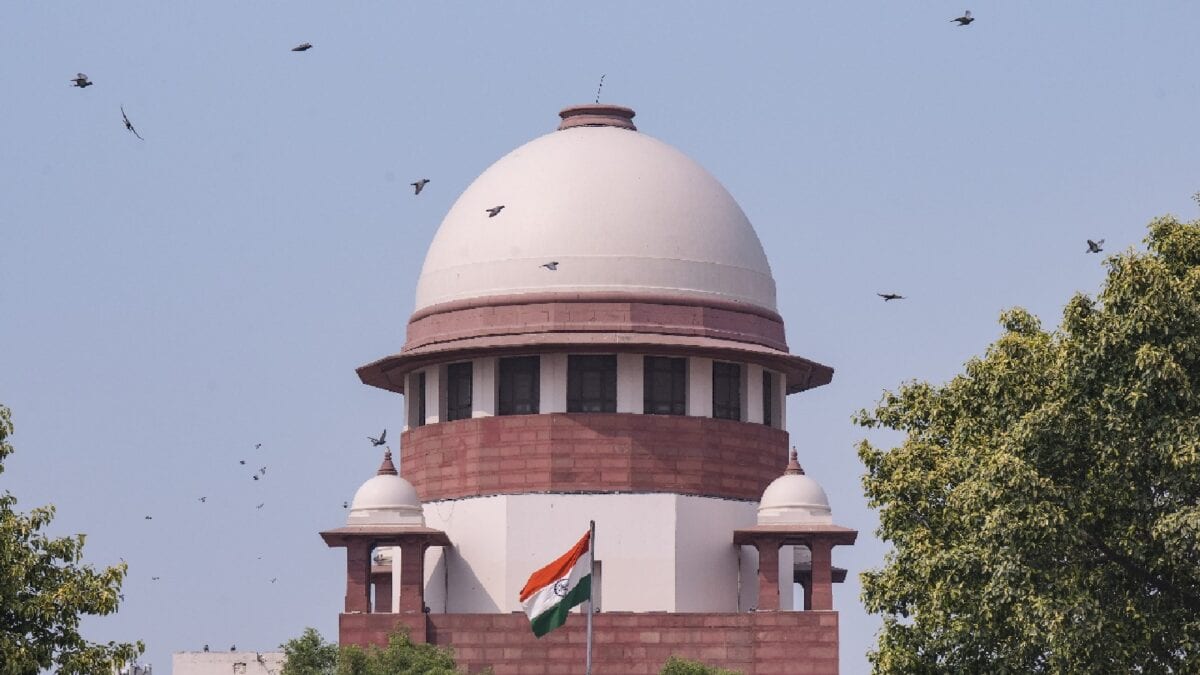
Supreme Court Keeps Hanging, Leaves Door Open For Review

Supreme Court Retains Hanging, Leaves Door Open For Alternatives

Supreme Court Upholds Execution by Hanging, Stresses Dignity
Supreme Court bins plea to replace death by hanging
India Retains Hanging as Global Executions Rise Despite Debate

PUCL Urges CJI Action Over Rajasthan High Court Allegations

Supreme Court Questions IPS Deputation for CAPF Leadership Positions
Supreme Court Quashes 20-Year Conviction, Reaffirms Juvenile Legal Protections

Two Years After RG Kar Doctor's Rape-Murder, Case Remains Unresolved

ED widens Chhattisgarh probes with two arrests and searches