2 weeks ago
Supreme Court Upholds Execution by Hanging, Stresses Dignity

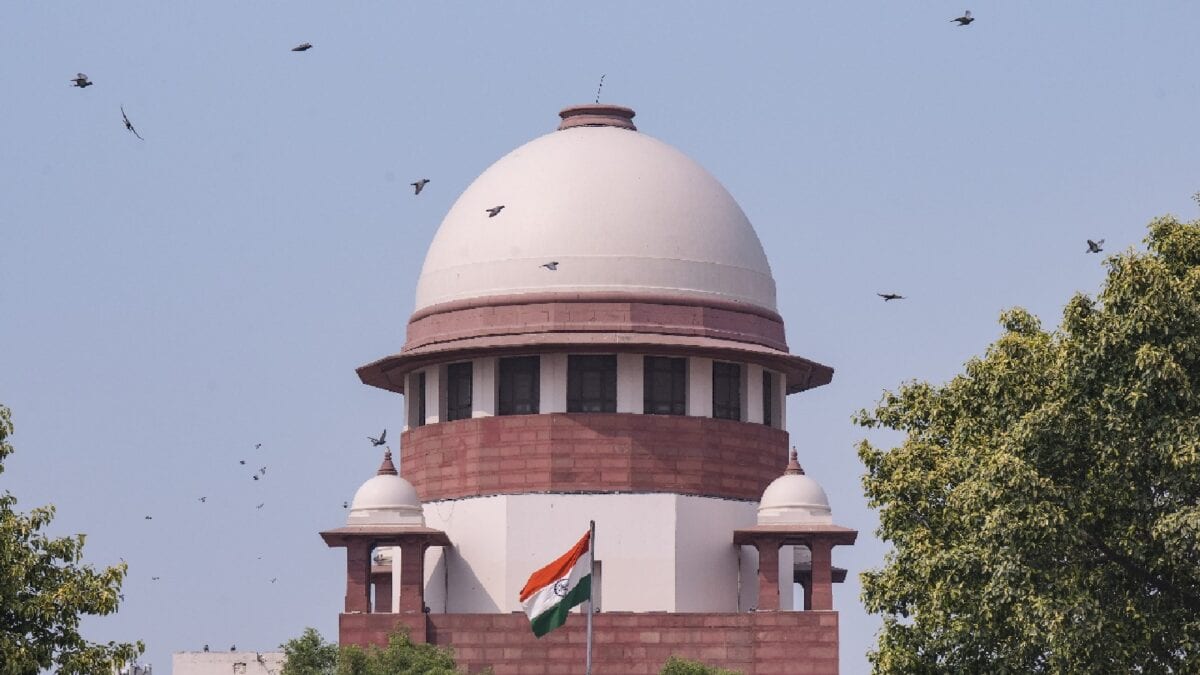
The Supreme Court of India is the country's highest court.
Some people asked the court to stop a punishment called the death penalty, where a person is put to death for a very serious crime.
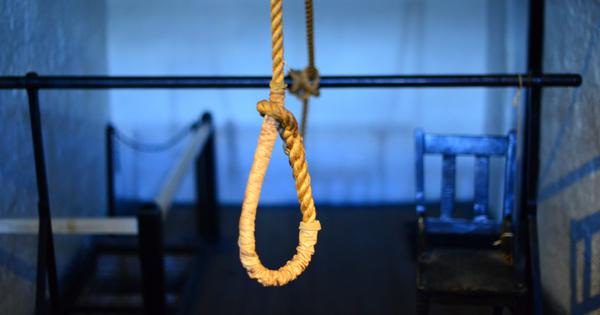
In India, people sentenced this way are hanged.
The people who asked the court thought there might be a kinder way, like a special injection.
The court said that hanging can stay.
But the court also said something very important: the government must treat the person with respect and cause as little pain as possible.
The court said people keep their right to be treated with dignity, even when they are being punished.
It also said the way of hanging people has not changed for more than 150 years.
The court asked the government about trying better methods, but the government has not given an update.
So for now, the punishment stays the same, with a clear rule that it must be done carefully and with dignity.

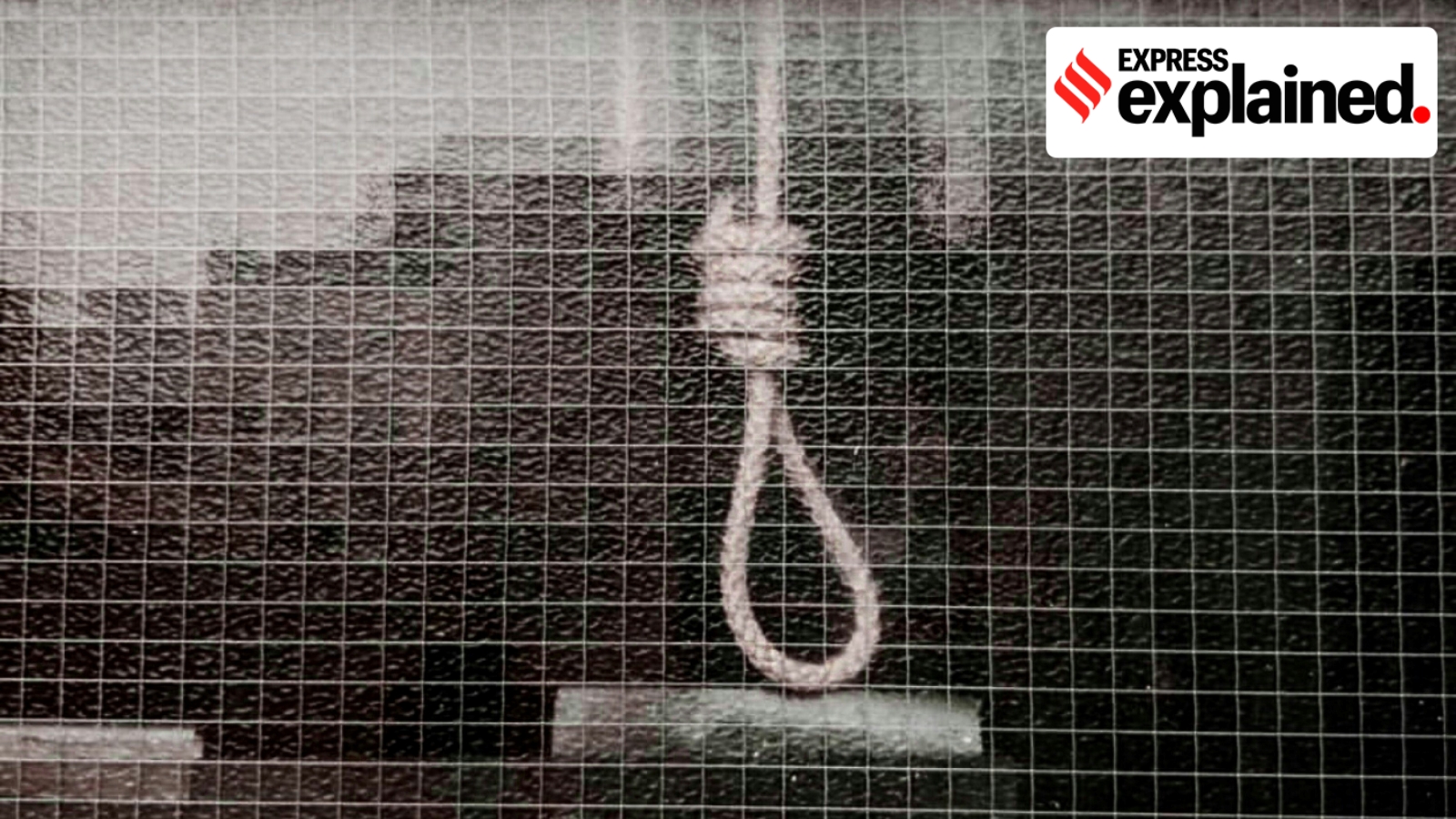
The Supreme Court of India dismissed a petition seeking abolition of execution by hanging, upholding it as the sole method for civilians under ordinary criminal law.
A bench of Justices Vikram Nath and Sandeep Mehta held that the State cannot take life in a manner that is arbitrary, excessive, or incompatible with human dignity.
The court said the execution method must minimise suffering and preserve the inherent dignity of the condemned, extending the right to die with dignity to death row prisoners.
Hanging by the neck was established by the Code of Criminal Procedure, 1861, and the legal mechanism has remained unchanged for over 150 years.
The court noted the government said in May 2023 it was considering an expert committee on more humane alternatives, but no update has been provided on its constitution.
- Who
- The Supreme Court of India, specifically a bench of Justices Vikram Nath and Sandeep Mehta, ruling on a petition brought against execution by hanging.
- What
- The court dismissed the petition to abolish hanging and replace it with intravenous lethal injection, upholding hanging as the sole execution method for civilians while requiring dignity and minimal suffering.
- Where
- Supreme Court of India, New Delhi.
- When
- Tuesday, August 18, as reported in a PTI dispatch dated Aug 18.
- Why
- The court held that while the State has the power to impose capital punishment, it must exercise that power within constitutional limits, not arbitrarily, excessively, or incompatibly with human dignity.
Petitioner / death penalty abolitionists
Supreme Court / Union of India
Method of execution
Petitioner / death penalty abolitionists
Hanging should be abolished and replaced with less painful methods such as intravenous lethal injection.
Supreme Court / Union of India
Hanging remains lawful as the sole method for civilians and the challenge was dismissed, though the State must minimise suffering and uphold dignity.
Military law precedent
Petitioner / death penalty abolitionists
Since military statutes allow death by shooting, more humane alternatives exist and should be considered for civilians too.
Supreme Court / Union of India
Military statutes operate in a distinct field governing service personnel and cannot be used to test civilian execution provisions.
Humane alternatives review
Petitioner / death penalty abolitionists
The court should push the government to constitute an expert committee exploring more humane options.
Supreme Court / Union of India
The court called on the Centre in 2017 to explore alternatives, but as of the ruling no committee had been constituted and no update was provided.
Key facts
- Court
- Supreme Court of India
- Bench
- Justices Vikram Nath and Sandeep Mehta
- Ruling
- Dismissed petition to abolish execution by hanging; upheld hanging as the sole method for civilians
- Petition Sought
- Replacement of hanging with intravenous lethal injection
- Legal Origin of Hanging
- Code of Criminal Procedure, 1861 established hanging by the neck
- Method
- Long-drop technique using height and weight calculations to fracture cervical vertebrae
- Government Update
- In May 2023, said it was considering an expert committee on alternatives; no update since
- Alternatives in Military Law
- Army Act 1950, Air Force Act 1950 and Navy Act 1957 allow hanging or shooting, but court deemed irrelevant to civilians
Quotes
Justices Vikram Nath and Sandeep Mehta
Supreme Court judges of India
“"When a court of law, upon due adjudication, imposes a sentence of death for a crime, the State, through its constitutional machinery, is called upon to carry out a punishment of the gravest nature."”
 theprint.in
“"The State, even when authorised to take life, cannot do so in a manner that is arbitrary, excessive, or incompatible with human dignity."”
theprint.in
Sources

Related news
Supreme Court Keeps Hanging, Leaves Door Open For Review
Supreme Court Rejects Plea To Replace Death By Hanging

Supreme Court Retains Hanging, Leaves Door Open For Alternatives
Supreme Court bins plea to replace death by hanging
India Retains Hanging as Global Executions Rise Despite Debate

SC Verdict: Hanging Stays, Centre Can Explore Alternatives
PUCL Urges CJI Action Over Rajasthan High Court Allegations

Supreme Court Questions IPS Deputation for CAPF Leadership Positions
Supreme Court Quashes 20-Year Conviction, Reaffirms Juvenile Legal Protections

Two Years After RG Kar Doctor's Rape-Murder, Case Remains Unresolved

ED widens Chhattisgarh probes with two arrests and searches