4 days ago
Government Weighs Pulse Import Duty Cuts Before Festive Season
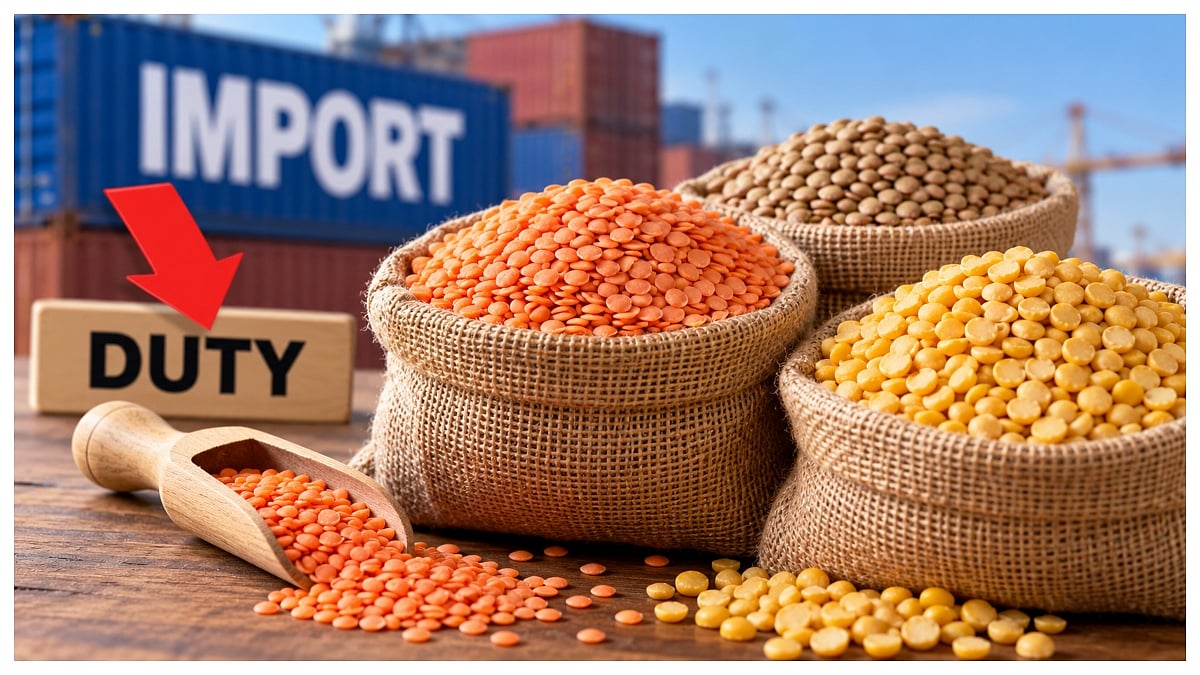
The government is thinking about making it cheaper to bring some pulses into India from other countries.
The pulses being considered are masoor, or red lentils, and yellow peas.
Chickpeas may not receive the same benefit.
This could increase the amount of pulses available in markets.
Rainfall was uneven in important pulse-growing areas, which may reduce supplies.
People also usually buy more pulses during the festive season.
Higher demand and lower supplies can push prices up.
The government has not made a final decision, so it is not yet clear whether shoppers will pay less.

The government is considering lower import duties on masoor and yellow peas.
Chickpeas may be excluded from the proposed duty relief.
Masoor and chana currently face a 10 percent import duty, while yellow peas face 30 percent.
Uneven monsoon rainfall has raised concerns about domestic pulse production and supplies.
The proposal aims to ease food-price pressures before festive-season demand increases, but no final decision has been announced.
- Who
- The Indian government is considering the measure, with domestic consumers, mills and food companies among those potentially affected.
- What
- A possible reduction in import duties on masoor and yellow peas to improve supplies and control food-price pressures.
- Where
- India, with the proposal being considered in New Delhi.
- When
- Before the festive season; no specific decision date was given.
- Why
- Uneven monsoon rainfall has raised concerns about pulse production, while festive-season demand and food inflation are increasing.
Key facts
- Potentially covered pulses
- Masoor, or red lentils, and yellow peas
- Possible exclusion
- Chickpeas, also called chana
- Current masoor and chana duty
- 10 percent
- Current yellow-pea duty
- 30 percent
- Existing duty-free imports
- Tur and urad imports are allowed duty-free until March 2027
- August food inflation
- 5.95 percent
- Rainfall shortfall
- Major pulse-producing regions received rainfall up to 30 percent below normal during the June-September monsoon period
Sources
Related news
India’s Pulse Imports Surge Amid El Nino Concerns
India Cuts Edible Oil Duties Ahead of Festive Season
India Considers Lower Vegetable Oil Import Taxes Amid Inflation
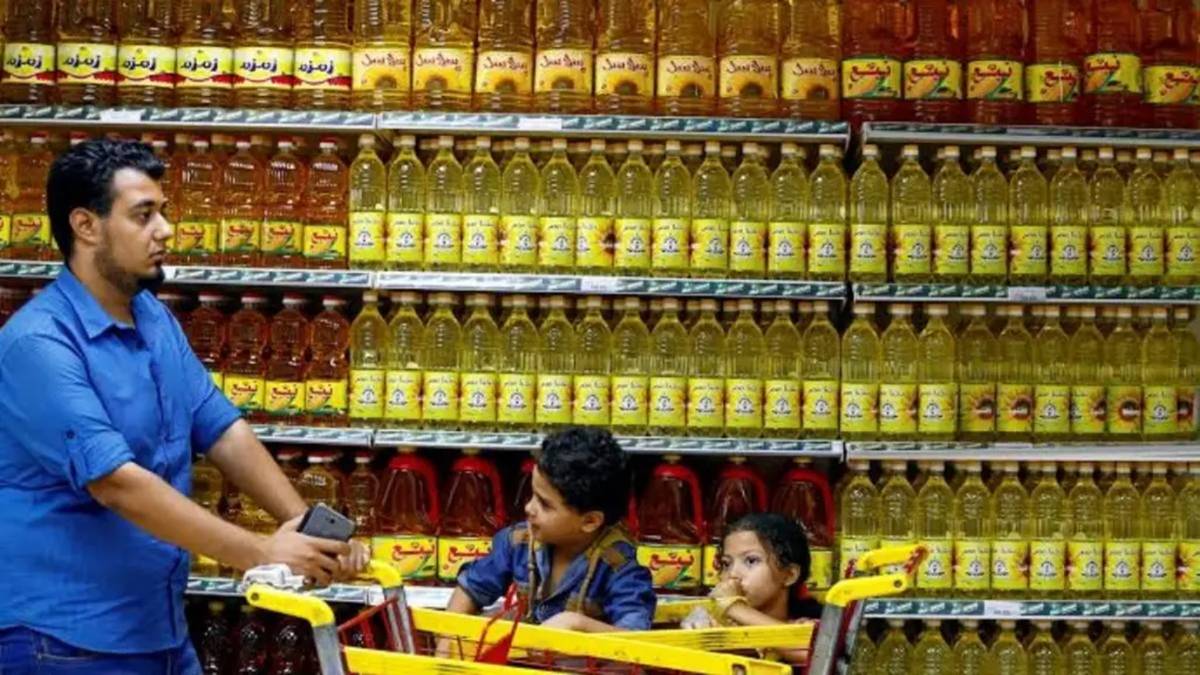
Edible Oil Duty Cuts May Halt Festive Retail Price Hikes

India Orders Sugar Mills to Report Data, Stabilize Prices

India’s Pulses Exports Surge Five-Fold Over Past Decade

INDIA Bloc March Triggers Major Traffic Jams Across Lutyens’ Delhi
Delhi Discoms Offer Temporary Festival Power Connections Within 24 Hours

Rahul, Priyanka Lead Eight-Hour Sit-In Amid Election Protests

More Nations Seek to Join India-Middle East-Europe Corridor

Rahul Gandhi Accuses Modi and Election Chief of Treason