

2 hrs ago
India’s Pulse Imports Surge Amid El Nino Concerns
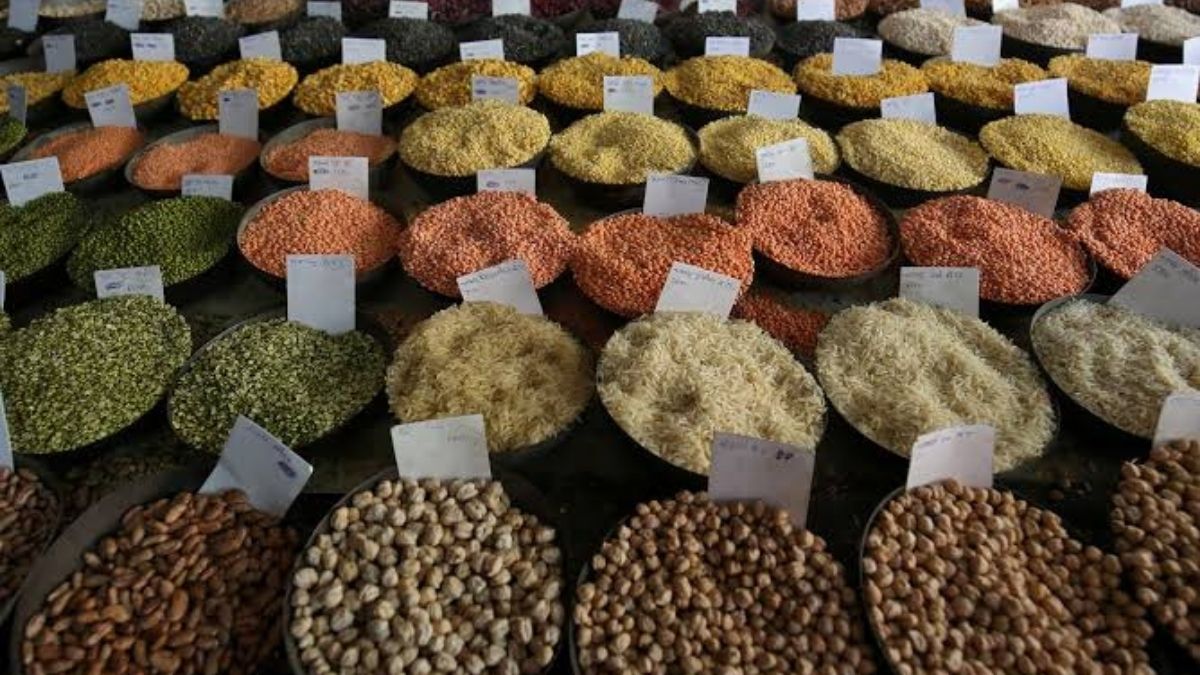
India bought much more pulses from other countries in the first four months of FY27.
Imports rose because people were worried that weather linked to El Nino could reduce India’s harvest.
Lentils and yellow peas made up a large part of the increase.
However, traders say imports may slow soon because some prices have risen.
Shipments from Russia have also been delayed by transport problems connected to its conflict with Ukraine.
The amount India grows in its next crops will help determine future imports.
India already keeps about 4.5 million tonnes of pulses in reserve.
The government may sell some of these reserves if pulse prices rise too much.

India imported 1.7 million tonnes of pulses during April-July of FY27, a 62% increase year-on-year.
The value of imports rose 32% to $0.97 billion, suggesting relatively subdued global prices.
Masur imports increased 227% and yellow pea imports rose 91%, while urad imports fell 20%.
Traders expect imports to slow as prices rise and Russian shipments face logistical disruptions linked to the conflict in Ukraine.
The government holds about 4.5 million tonnes in buffer stocks that may be released if prices rise sharply.
- Who
- India, pulse traders, the India Pulses and Grains Association, and the government.
- What
- Pulse imports rose 62% to 1.7 million tonnes during April-July of FY27.
- Where
- India, with pulses sourced from countries including Canada, Russia, Brazil, Myanmar, and countries in Africa.
- When
- During the April-July period of FY27; future imports may slow in the next few months.
- Why
- Concerns about lower domestic output because of El Nino, alongside demand for imported pulses and subdued global prices.
Import Growth Concerns
Supply and Price Support
Future import outlook
Import Growth Concerns
Traders expect imports to slow because yellow pea and lentil prices have risen and shipments from Russia have faced logistical disruptions.
Supply and Price Support
Future import needs will depend on the yield prospects of India’s kharif and rabi crops.
Risk of higher prices
Import Growth Concerns
Lower domestic output linked to El Nino concerns and disrupted overseas supplies could put pressure on pulse prices.
Supply and Price Support
The government says it can release pulses from its approximately 4.5-million-tonne buffer stock in a calibrated manner if prices rise.
Key facts
- FY27 April-July imports
- 1.7 million tonnes, up 62% year-on-year
- Import value
- $0.97 billion, up 32% year-on-year
- Masur imports
- 0.57 million tonnes, up 227%
- Yellow pea imports
- 0.52 million tonnes, up 91%
- Urad imports
- 0.18 million tonnes, down 20%
- Pulse buffer stocks
- Approximately 4.5 million tonnes
- FY26 total imports
- $3.63 billion, down 34% year-on-year
Quotes
Satish Upadhyay
Secretary of the India Pulses and Grains Association
“Imports in the next couple of months may slow down as several vessels carrying yellow peas and lentils from Russia have been stuck at ports because of severe logistical disruptions due to its conflict with Ukraine”
 financialexpress.com
Sources
Related news

Festival Demand Pushes Indian Pepper Prices Higher Amid Production

Brazilian Sugar Imports May Reach India Before October 15

Sugar Futures Slump as Traders Assess India’s Duty-Free Imports

India Sugar Output May Fall as El Niño Threatens Harvest

Falling Urea Prices Offer India Relief From Subsidy Pressure

India’s urea import costs fall 57% as supplies improve

Trump Says Russian Diesel Industry Lost Control Amid Ukraine War

Howard Buffett Takes Berkshire Chairmanship to Protect Culture

UPSC Key Explains Sulphur, Security, AI And Cultural Appropriation

Russia Takes Control of US Factory After New Sanctions
