

16 hrs ago
Gandhi’s Four Pillars of Swaraj Remain Fragile
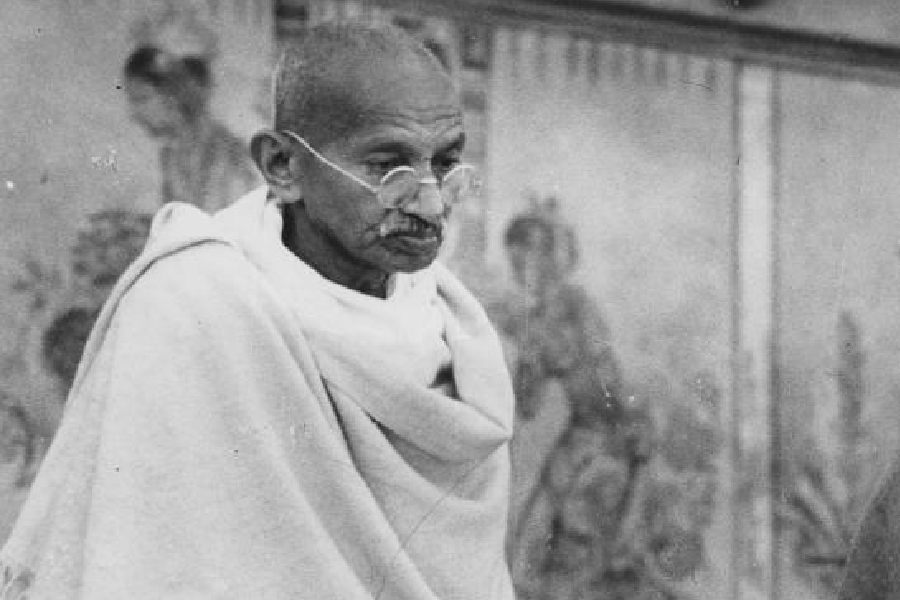
Gandhi said that a free India needed four important things.
People should be treated fairly, including people facing caste or gender discrimination.
People should support local work and use nature carefully.
People of different religions should live together as equals.
People should try to bring change without hurting others.
The article says Gandhi worked for these ideas but did not achieve all of them.
It also says he could not stop the country from being divided.
The author believes these four ideas are still important today.
The article warns that unfair treatment, divisive words, and violence can weaken them.

In March 1922, Gandhi described untouchability’s removal, khaddar, Hindu-Muslim unity, and non-violence as the four enduring pillars of swaraj.
The article connects ending untouchability with wider social justice, including equal rights for Dalits and women, while noting limits in Gandhi’s views.
It says khaddar represented dignity of labour and local self-reliance, ideas the author links to equitable employment and environmental sustainability.
Gandhi championed religious and linguistic pluralism, but the article notes he could not prevent Partition and later fasted to defend minority rights.
The author argues that discrimination, divisive rhetoric, punitive laws, and violence weaken the four pillars, while citing several non-violent protest movements.
- Who
- Mahatma Gandhi and the people and institutions discussed in Ramachandra Guha’s article.
- What
- An examination of Gandhi’s four pillars of swaraj and the author’s view that they remain essential but are weakened in India.
- Where
- India, with historical examples from South Africa and Britain.
- When
- Gandhi set out the four pillars in March 1922; the article also discusses events from 1908 onward and their relevance today.
- Why
- The article revisits Gandhi’s definition to argue that social justice, local self-reliance, religious unity, and non-violence remain conditions for freedom.
Key facts
- Four pillars
- Removal of untouchability, manufacture of khaddar, Hindu-Muslim unity, and cultivation of non-violence.
- Statement date
- March 1922.
- Author
- Ramachandra Guha.
- Social justice
- The article interprets removal of untouchability broadly, including caste and gender equality.
- Economic ideas
- Khaddar is presented as emphasizing dignity of labour and local self-reliance.
- Minority rights
- Gandhi fasted in Calcutta in September 1947 and New Delhi in January 1948 to protect minority rights.
- Non-violent movements cited
- Anti-CAA protests, the farmers’ movement, the environmental movement, and the students’ movement.
Quotes

Mahatma Gandhi
Indian independence leader whose definition of swaraj is discussed in the article.
“Removal of untouchability, manufacture of khaddar, Hindu-Muslim unity, cultivation of non-violence are not measures of a temporary nature. They are the four pillars on which the structure of swaraj must for ever rest. Take away any one of them and it must topple down.”
 telegraphindia.com
“Even should the British leave in consequence of such murderous acts, who will rule in their place? The only answer is: the murderers… India can gain nothing from the rule of murderers — no matter whether they are black or white.”
telegraphindia.com
Sources
Related news
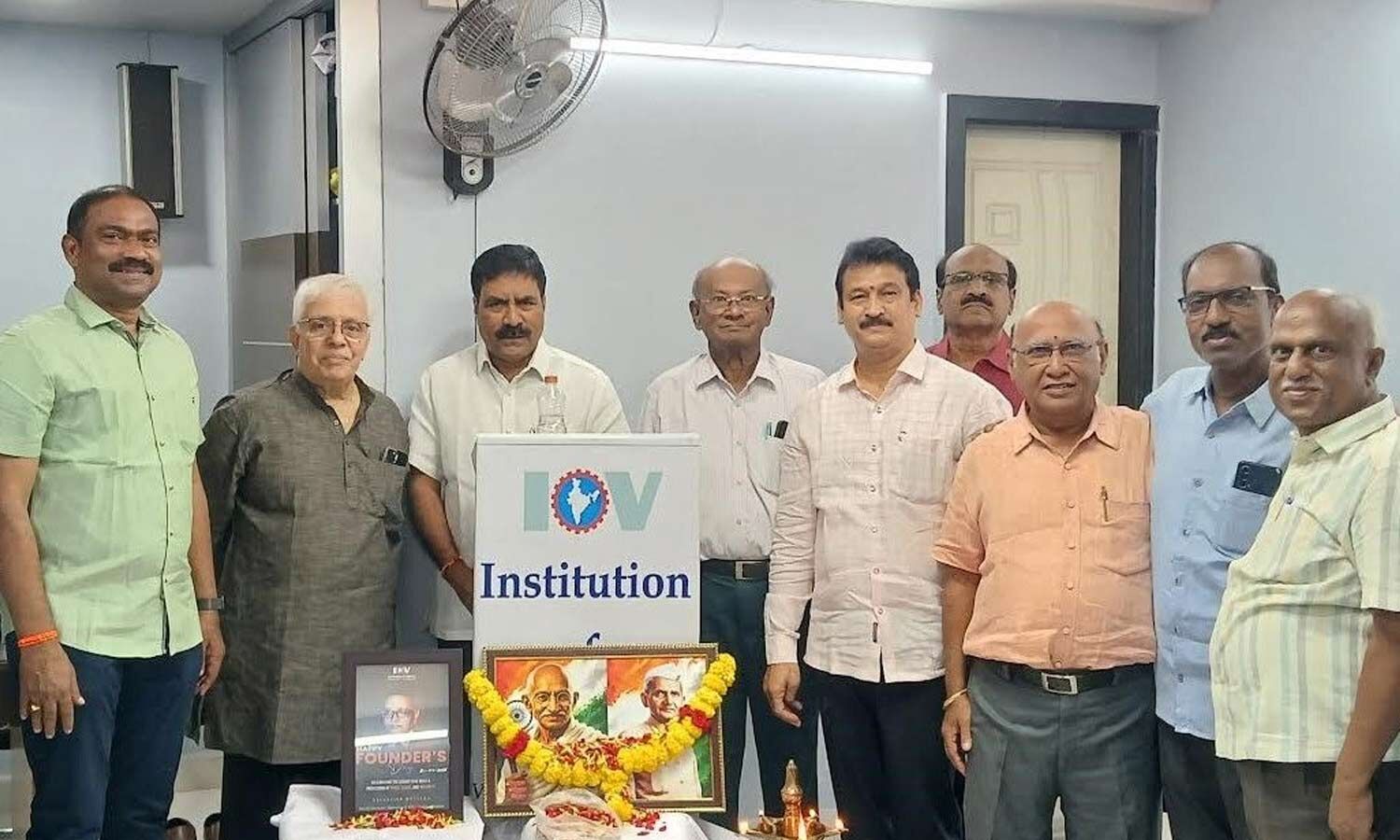
BJP Leader Seeks Support to Strengthen Gandhi’s Swaraj
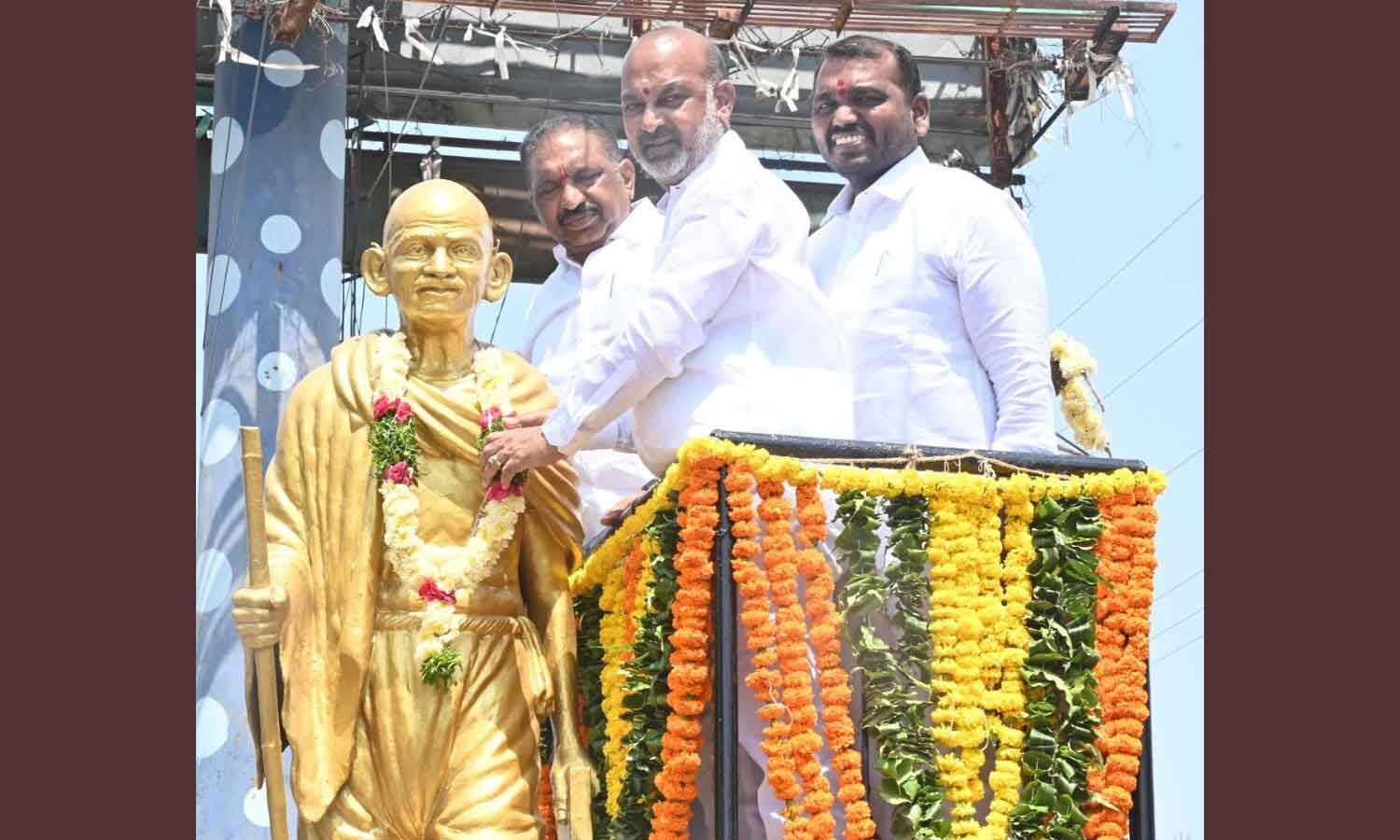
Bandi Sanjay Says Gandhi’s Ideals Remain Relevant Today

Tamil Nadu Leaders Invoke Gandhi’s Ideals of Peace

Gandhi’s Thumb-Rule Should Guide India’s Growth Across Ages
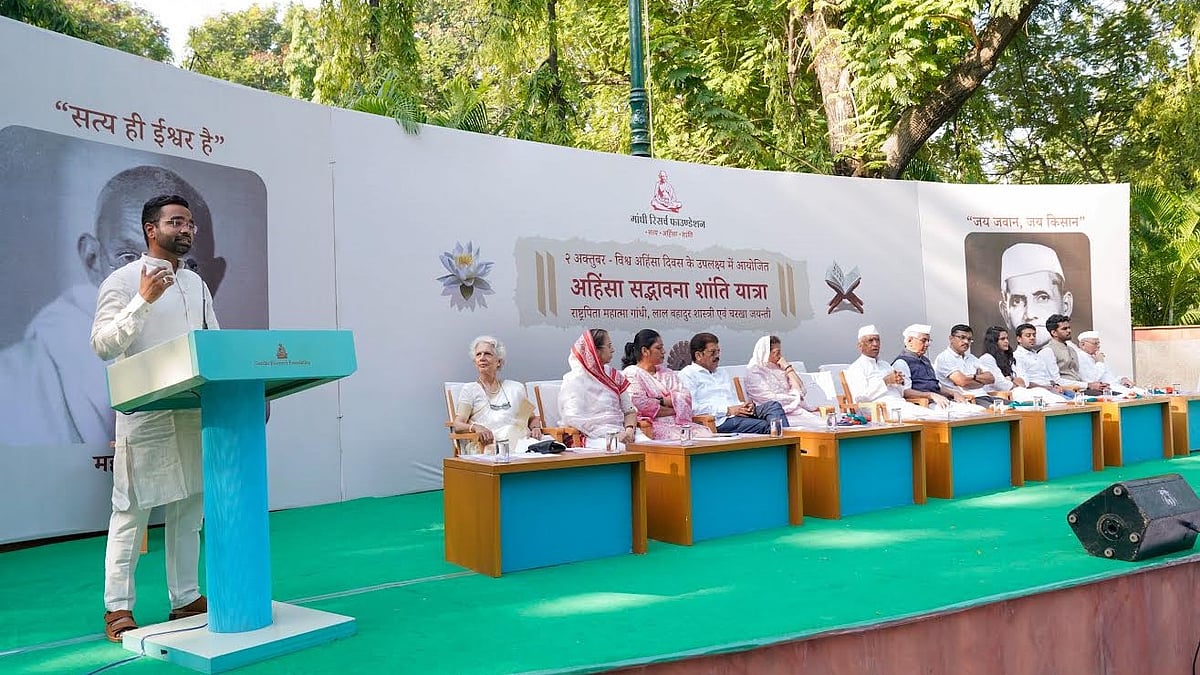
Jalgaon Collector Links Gandhian Values to Capable Future Generation
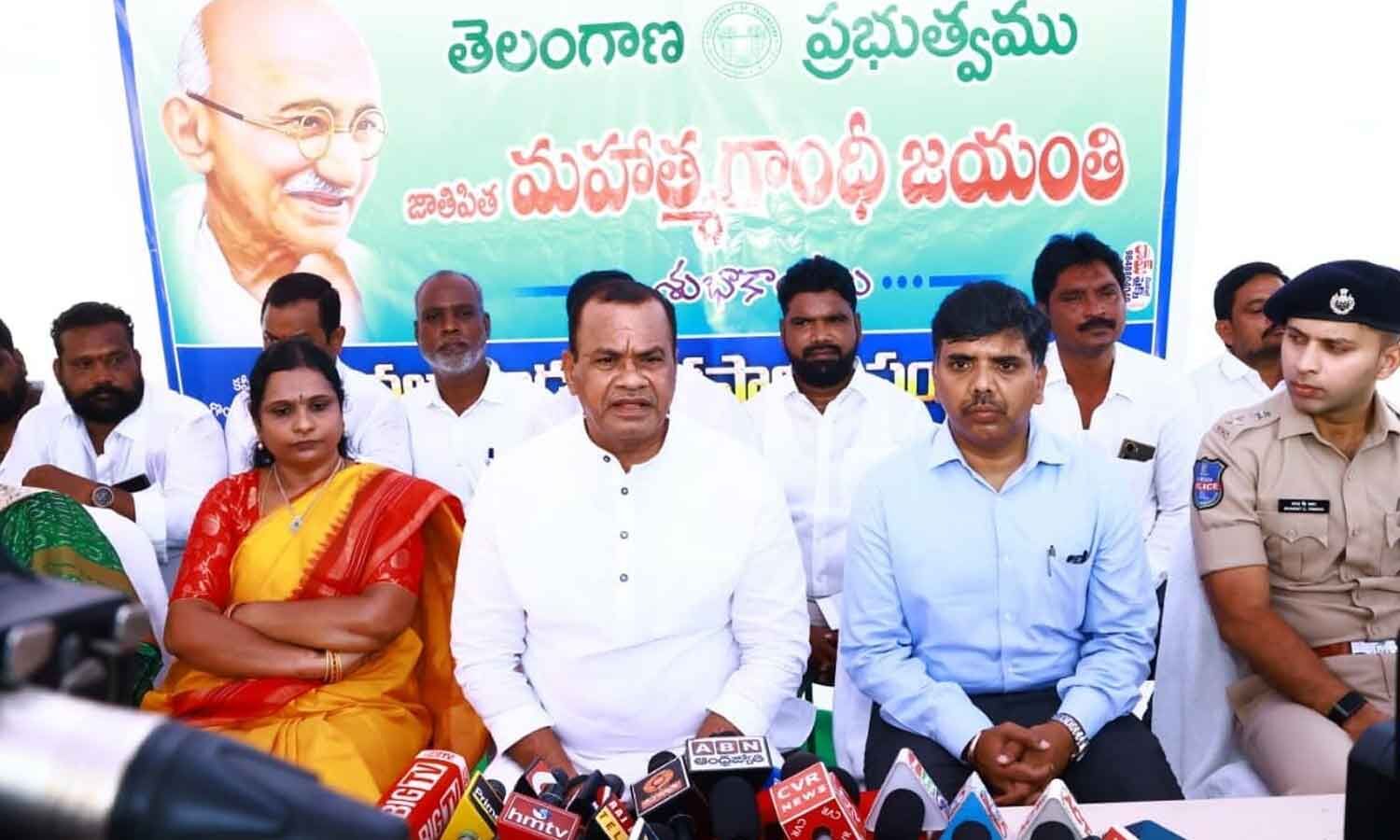
Komatireddy Urges Youth to Follow Gandhi’s Ideals
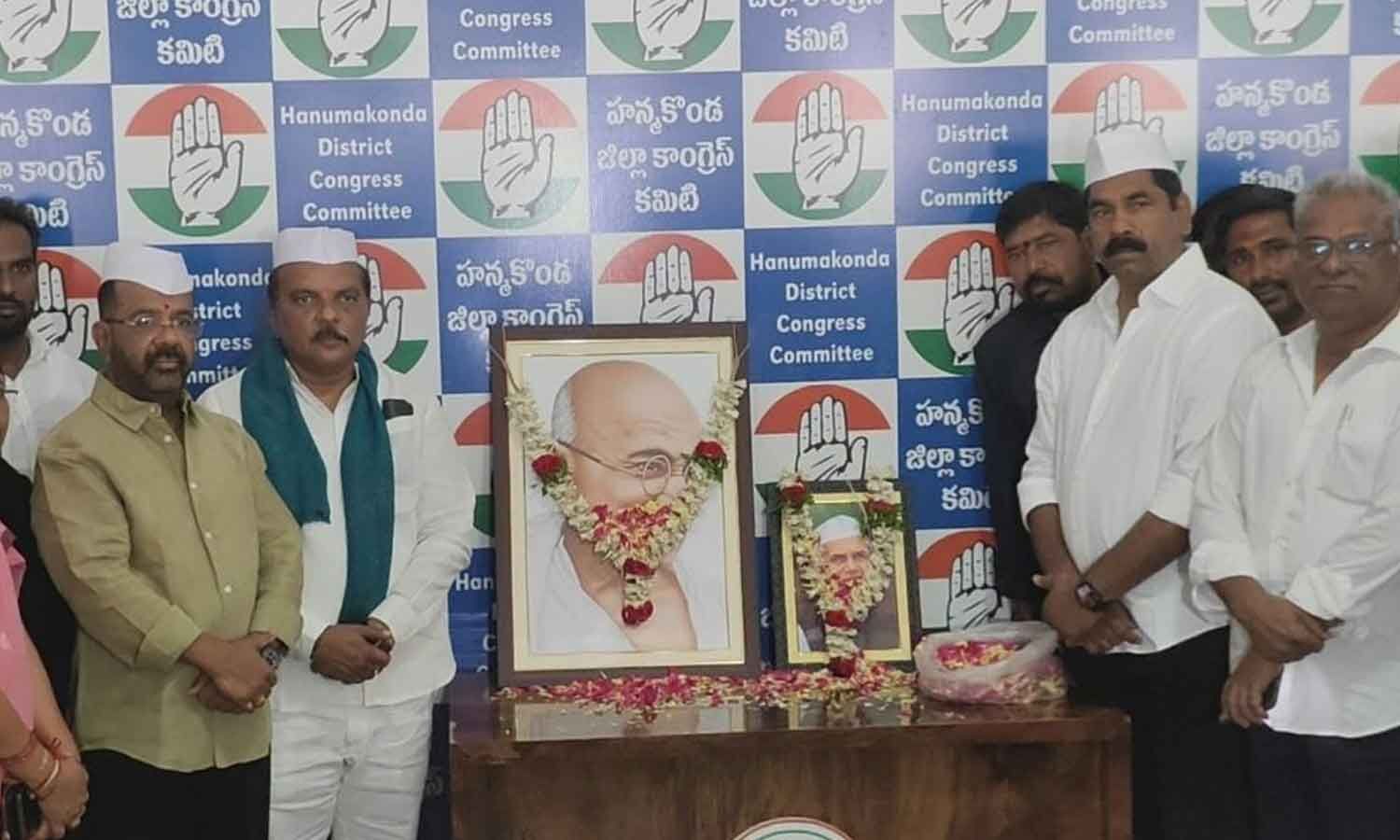
Naini Says Gandhi’s Killer Is Glorified Online

Frontier AI Raises New Risks for Industrial Cybersecurity
Karnataka Congress, Telangana BJP Clash Over Umar Khalid
Hariprasad’s Umar Khalid Remark Sparks NLSIU Documentary Screening Row