1 week ago
Nagoya’s Asian Games Draw Biggest Crowd for Closing Ceremony
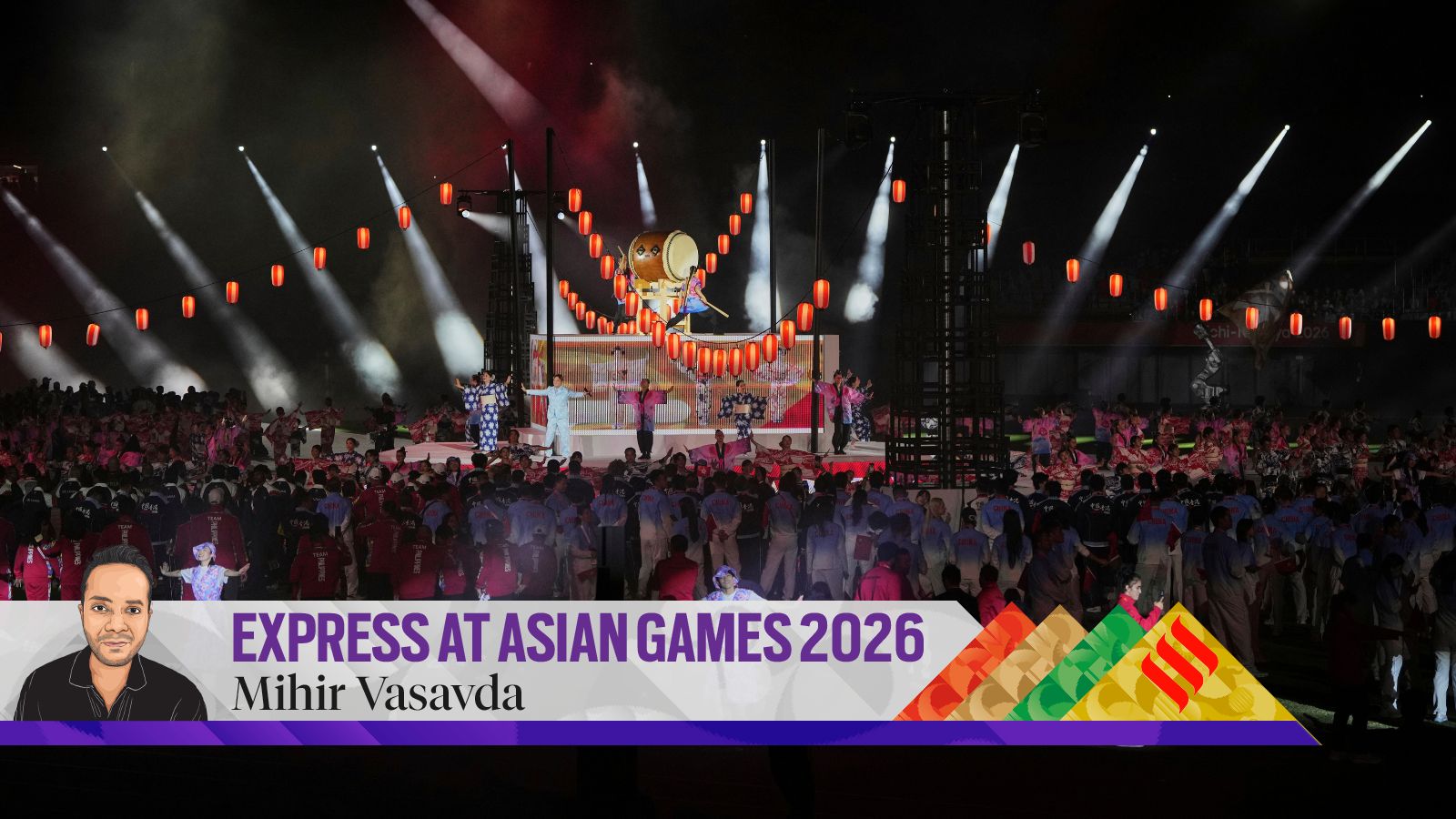
Nagoya hosted the Asian Games for two weeks.
The organisers tried to use places that already existed instead of building lots of new ones.
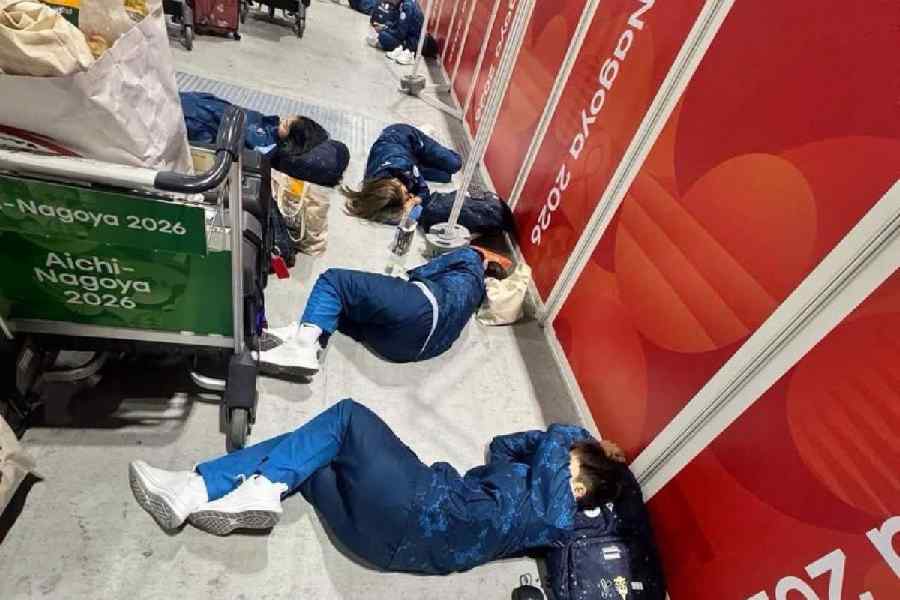
At first, there were problems with buses, places to stay, and event facilities.
Things improved, and athletes competed in many exciting events.
Some venues still had lots of empty seats.
The Games did not take over everyday life in the city.
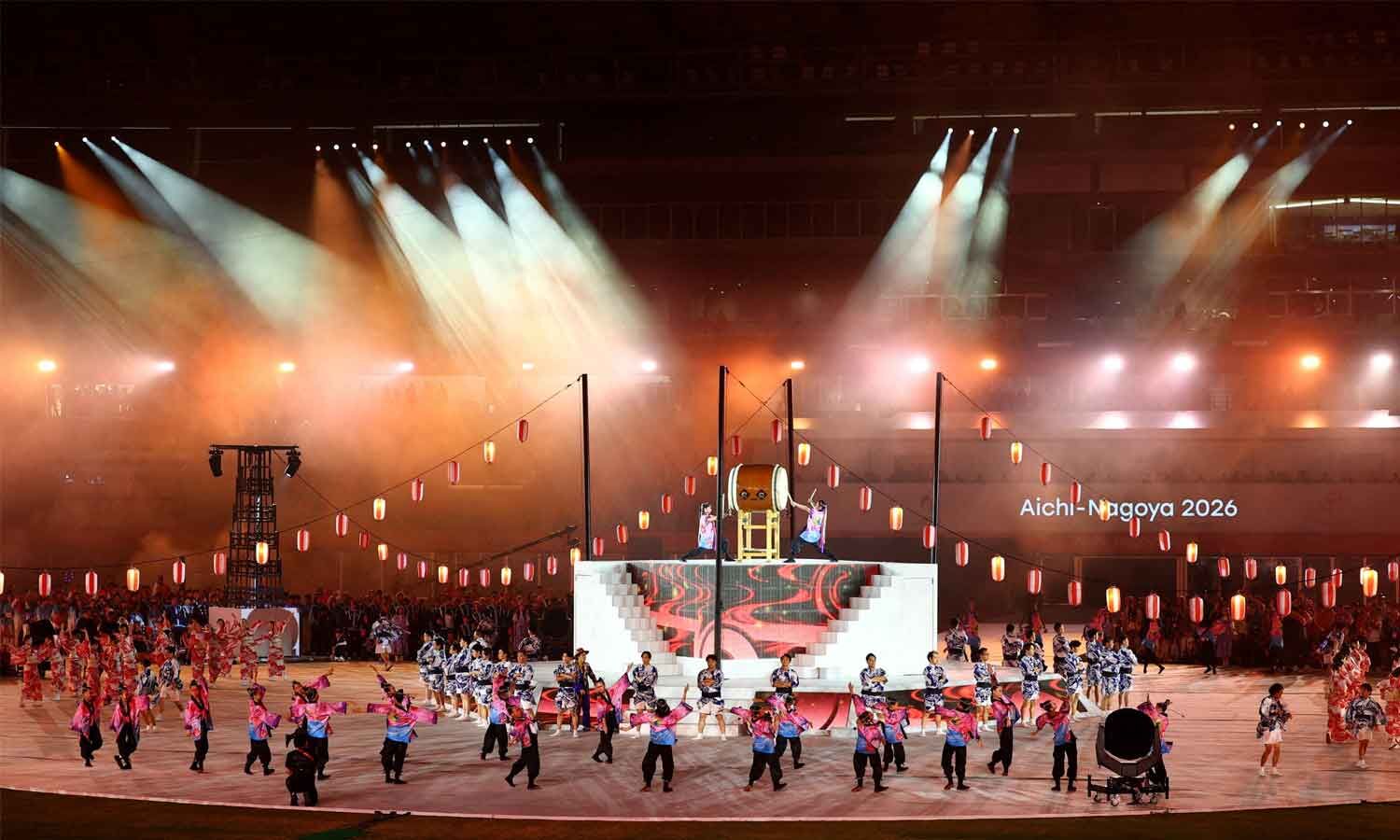
On Sunday, more people came to the closing ceremony than had come to earlier events.
A Qatari rider carried the Games flag as it was handed toward Doha, the next host city.

Nagoya’s Asian Games began with accommodation, transport, accreditation, and temporary-facility problems.
Organisers used existing venues and temporary structures to avoid unnecessary construction and help the Games fit into the city.
Operations improved over the two weeks, while many competition venues still had empty seats.
The Games recorded 54 world records, 11 junior records, and 89 Asian records.
The closing ceremony at Mizuho Park drew the Games’ largest crowd, and Jassim al Kuwari carried the flag toward Doha.
- Who
- Nagoya, the Asian Games organisers and spectators; Jassim al Kuwari carried the Games flag at the closing ceremony.
- What
- The Asian Games in Nagoya ended with a closing ceremony that drew a larger crowd than earlier events.
- Where
- Mizuho Park, Nagoya, Japan.
- When
- The closing ceremony took place on Sunday, at the end of the two-week competition.
- Why
- The ceremony marked the end of the Games and the handover of the Asian Games flag toward Doha.
Benefits of the hosting model
Drawbacks during the Games
Using existing venues
Benefits of the hosting model
Organisers aimed to avoid unnecessary construction and costs by using existing venues and temporary facilities, allowing the Games to fit into the city.
Drawbacks during the Games
Some temporary facilities drew complaints, and the venues often had conspicuous empty seats.
How the Games affected Nagoya
Benefits of the hosting model
The event did not overwhelm the city, and the article suggests that preserving ordinary city life may have been an unintended success.
Drawbacks during the Games
The Games did not capture the city’s attention as much as a major sporting festival might; the largest crowd came for the closing ceremony.
Organisational challenges
Benefits of the hosting model
Coordination committee chair Tayyab Ikram said the way problems were addressed mattered and called for more sustainable solutions and innovation without compromising athletes’ conditions.
Drawbacks during the Games
The Games began with accommodation mix-ups, transport and accreditation troubles, complaints about temporary facilities, and more participants than organisers had planned for.
Key facts
- Host
- Aichi-Nagoya, Japan
- Closing ceremony
- Held on Sunday at Mizuho Park
- Flag handover
- Qatari equestrian rider Jassim al Kuwari received the Asian Games flag from Mutaz Barshim.
- Next host
- Doha
- Records
- The Games saw 54 world records, 11 junior records, and 89 Asian records.
- Spectator pattern
- A Kyodo analysis suggested Aichi residents made up more than half of domestic spectators at several venues.
- Hosting approach
- Organisers used existing venues and temporary structures to limit unnecessary construction and spending.
Quotes
Tayyab Ikram
Chair of the Asian Games coordination committee
“There are no Games without challenges. There is no Games without initial interruptions. The way they were addressed should be more important to highlight. In future, we would like to see more sustainable solution, more improvement and innovation … but without compromising on the athletes’ conditions.”
 indianexpress.com
Sources
Related news
Nagoya Asian Games Face Logistics Problems Before Opening Ceremony

Hashimoto Acknowledges Asian Games Problems, Highlights Lessons and Successes
OCA Says Asian Games Accommodation Model Proved Viable
Japan's 2026 Asian Games Opening Ceremony Balances Spectacle and Setbacks
Nagoya Asian Games Face Accommodation, Food and Transport Chaos

Nagoya Asian Games Use Cruise Ship, Huts Amid Accommodation Complaints
West Asia Tensions Prompt At Least 13 Keralam Flight Cancellations
India Seeks Qatar Investment as Refining Capacity Rises
Aichi-Nagoya Asian Games Close After Record-Setting Competition

Trump says US-Iran war could end soon amid strike threat