1 hr ago
OCA Says Asian Games Accommodation Model Proved Viable

The Aichi-Nagoya Asian Games had some problems with how things were run.
The Olympic Council of Asia said the important thing was how organizers responded to those problems.
Athletes stayed in containers, cruise ships and hotels instead of one large athletes’ village.
OCA officials said athletes still had the support they needed, including places to sleep, transport and health care.
They pointed to many world and Asian records as signs that athletes could perform well.
They also said this way of housing athletes might help future host cities avoid building facilities they will not use later.
The Games brought together thousands of athletes in 43 sports disciplines.
They began on September 19 and ended on October 4.

The Olympic Council of Asia acknowledged operational challenges at the Aichi-Nagoya Asian Games.
OCA officials said the challenges were addressed and athletes had conditions to compete.
Instead of a purpose-built athletes’ village, athletes stayed in containers, cruise ships and hotels.
Officials said the distributed accommodation approach could reduce host-city construction and maintenance burdens.
The Games ran from September 19 to October 4 and featured 43 disciplines.
- Who
- The Olympic Council of Asia, the Aichi-Nagoya Games organizing committee, and thousands of athletes from across Asia.
- What
- OCA officials said operational challenges were addressed and described the Games’ distributed accommodation model as a potentially viable approach for future events.
- Where
- Aichi-Nagoya, Japan.
- When
- The Games began on September 19 and concluded on Sunday, October 4; officials spoke at a press conference on the final day.
- Why
- OCA officials said the approach could provide suitable conditions for athletes while reducing the burden on host cities of building and maintaining a large athletes’ village.
Concerns and Challenges
OCA’s Assessment
Games operations
Concerns and Challenges
Concerns and complaints were raised about certain aspects of the Games’ operations.
OCA’s Assessment
OCA officials said the focus should be on how challenges were handled and whether athletes received the services and conditions they needed.
Distributed accommodation
Concerns and Challenges
The model was initially difficult to understand and differed from the traditional purpose-built athletes’ village.
OCA’s Assessment
OCA officials said the arrangement provided a usable example for future events and could ease host cities’ construction and maintenance burdens, provided athletes’ conditions were not compromised.
Key facts
- Event
- Aichi-Nagoya Asian Games
- Dates
- September 19 to October 4
- Disciplines
- 43
- Accommodation
- Athletes stayed in containers, cruise ships and hotels rather than a purpose-built village.
- OCA Coordination Committee chair
- Mohammad Tayyab Ikram
- OCA Director General
- Husain Al Musallam
- OCA assessment
- Officials acknowledged operational concerns but said athletes received adequate conditions and support.
Quotes
Mohammad Tayyab Ikram
Chair of the OCA Coordination Committee for the 2026 Asian Games
“The athletes cannot perform if they don't sleep well. The athletes cannot perform if they don't have transportation. The athletes cannot perform if they don't have good health care. They cannot perform if they don't eat good.”
 thehansindia.com
“It was difficult to understand when this model was proposed, but we now have a good practice. Maybe other Games will look at it.”
thehansindia.com
Sources
Related news

Hashimoto Acknowledges Asian Games Problems, Highlights Lessons and Successes

Nagoya Asian Games Use Cruise Ship, Huts Amid Accommodation Complaints

India-Pakistan Cricket and Hockey Clashes Set Asian Games Viewership Record

Leaders To Tour Aichi-Nagoya Asian Games Athletes’ Village
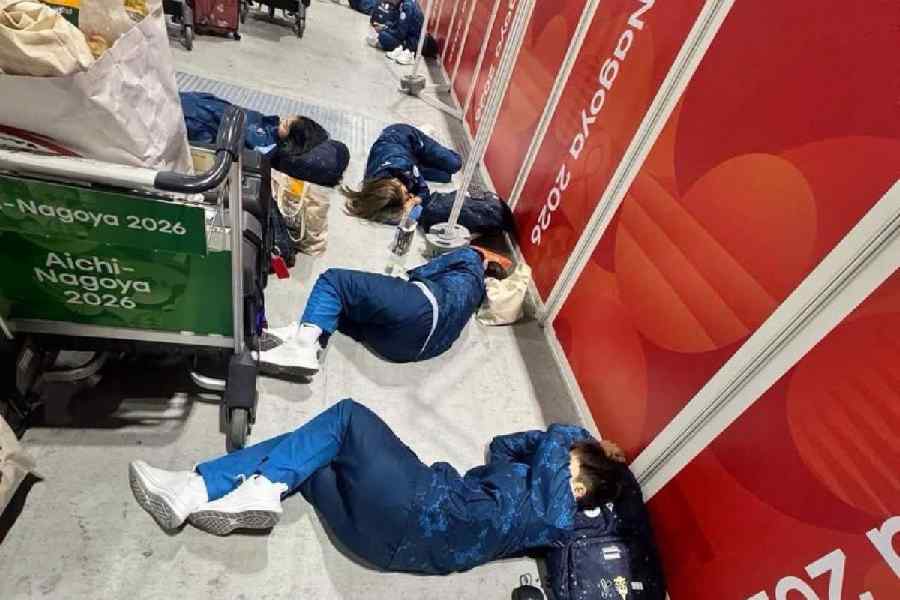
Nagoya Asian Games Face Accommodation, Food and Transport Chaos
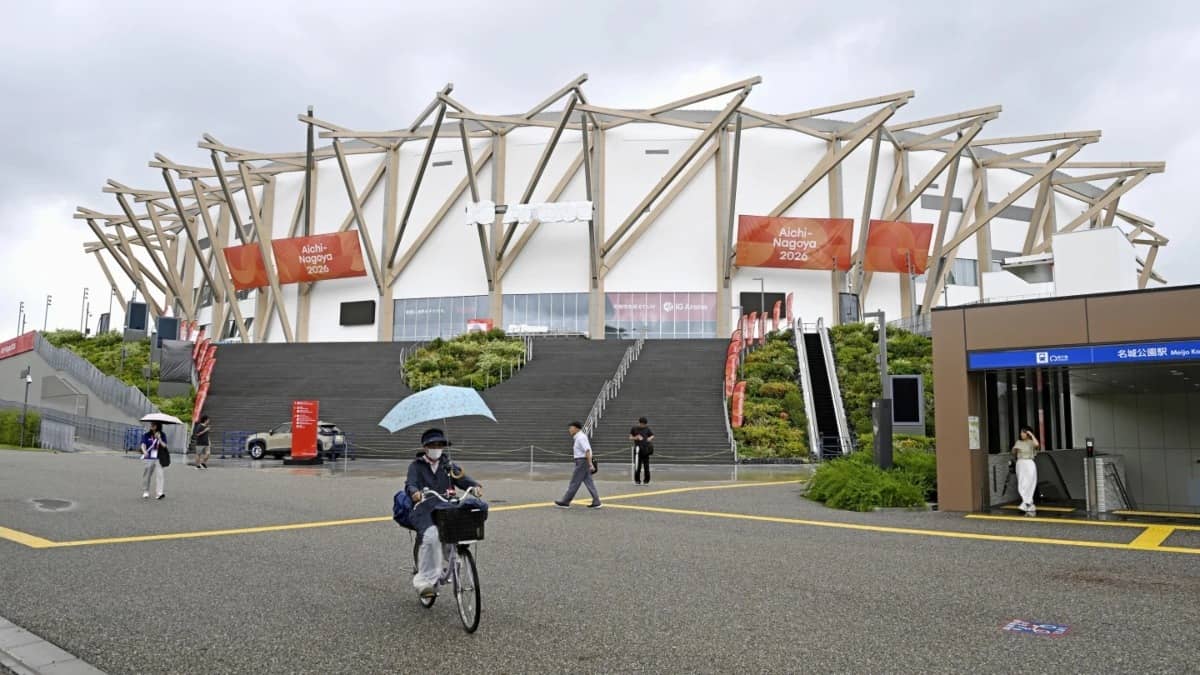
Asian Games Chief Defends Controversial Athlete Accommodation

Aichi-Nagoya Asian Games Closing Ceremony Set for Sunday

Indian Kurash Player Suspended After Positive Asian Games Test

Naqvi to miss India-Pakistan Asian Games final amid trophy row