

1 hr ago
Nagoya Asian Games Face Logistics Problems Before Opening Ceremony
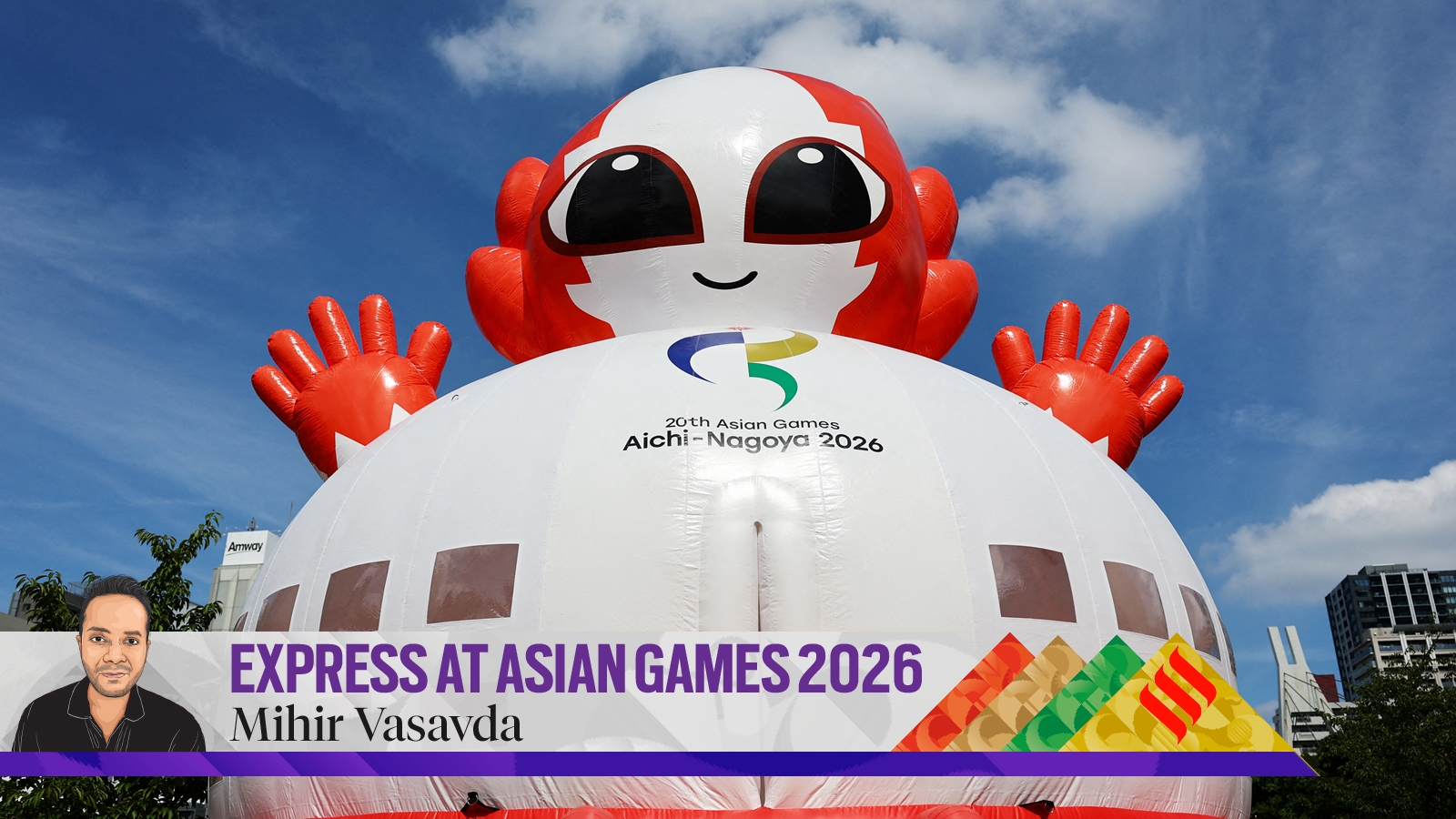
Nagoya is getting ready to host the Asian Games.
The city recently had very heavy rain that stopped trains and forced some athletes to leave their accommodation.
The city now looks ready, but the organizers have faced several problems.
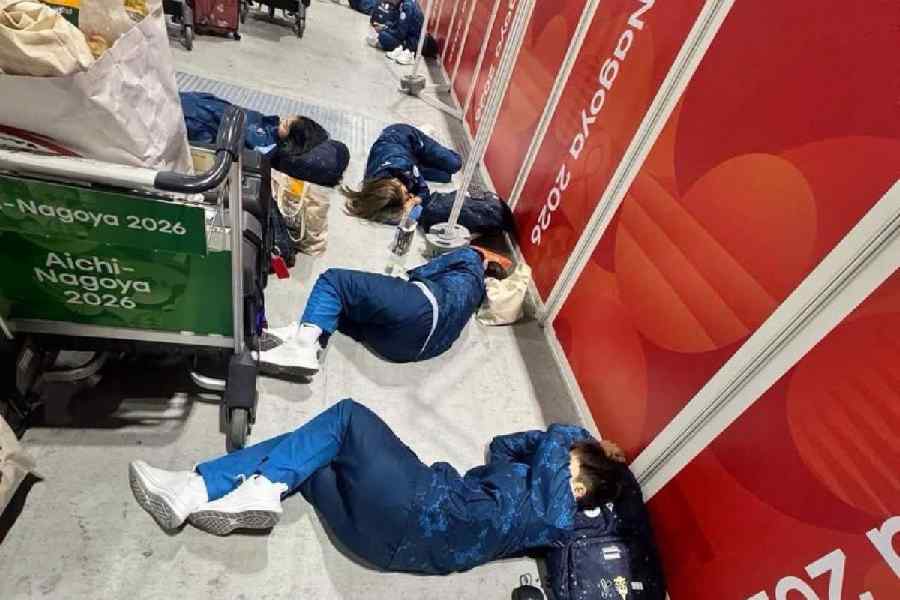
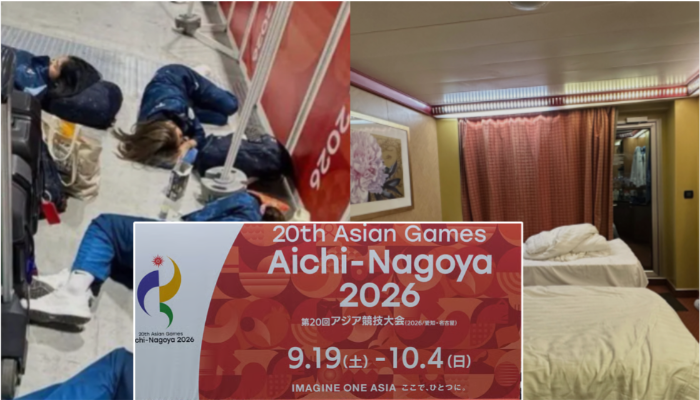
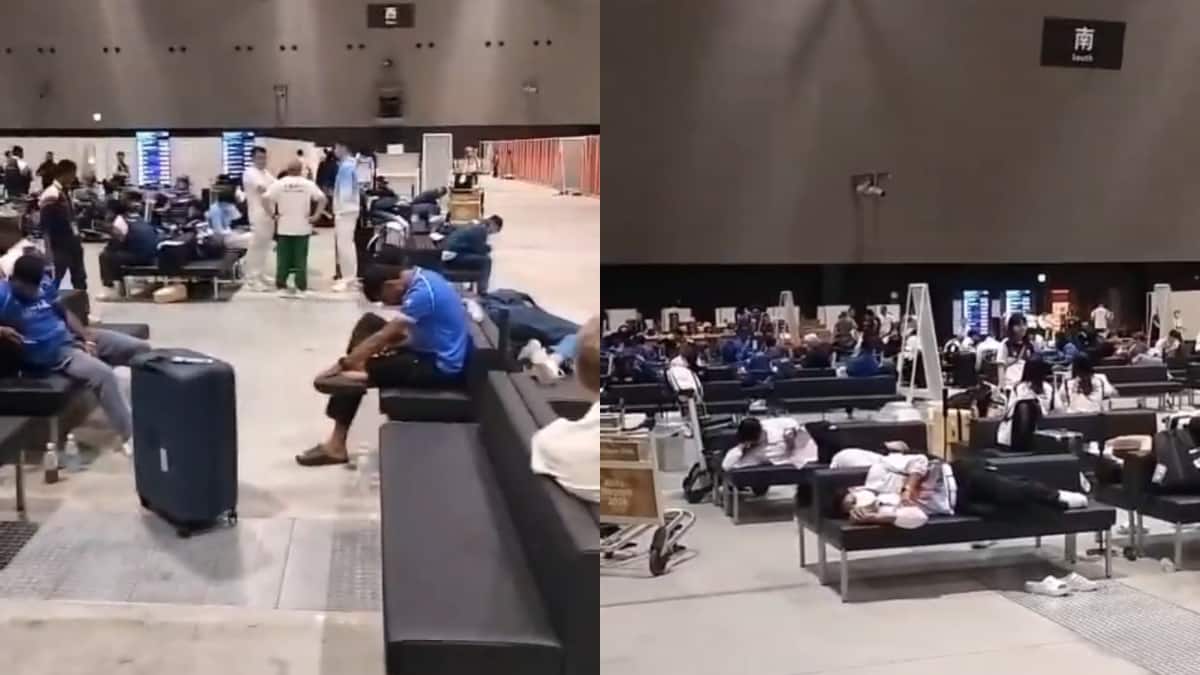
Some Indian athletes waited a long time to reach their rooms, and dozens were not initially assigned rooms.
The Games are using hotels, temporary buildings and a cruise ship instead of one large athletes’ village.
Organizers say this approach avoids building a costly village that might become unused afterward.
A team welcome ceremony was also delayed for almost two hours.
A historical performance caused a complaint from South Korea.
Organizers are also watching a possible typhoon after the opening ceremony.

Nagoya recovered from record rainfall that disrupted transport, schools and athlete accommodation.
The Indian delegation reported delayed arrivals and rooms missing for 30–35 athletes.
The Games are housing 17,000 athletes and officials across hotels, temporary facilities and the Costa Serena cruise ship.
A team welcome ceremony was delayed, while organizers cited unspecified “trouble” and later apologized.
Organizers are preparing for a possible typhoon that could require evacuations or moving the cruise ship offshore.
- Who
- The Asian Games organizing committee, the Olympic Council of Asia, and participating delegations including India and South Korea.
- What
- Nagoya is preparing to host the Asian Games amid accommodation, transport, ceremony and weather-related problems.
- Where
- Nagoya, Japan, including the athletes’ village, competition venues and Nagoya Port.
- When
- The opening ceremony is scheduled for Saturday; a possible typhoon is being monitored for Monday. Indian shooters arrived on September 15.
- Why
- The problems stem from heavy rainfall, complex distributed accommodation arrangements, organizational difficulties and the potential typhoon.
Organizers’ rationale
Critics’ concerns
Distributed accommodation
Organizers’ rationale
The Olympic Council of Asia says using hotels, temporary facilities and the Costa Serena avoids building an expensive athletes’ village that could become a post-Games white elephant.
Critics’ concerns
Delegations have reported room shortages, long waits and travel difficulties, suggesting the distributed system has created logistical complications.
Organizing structure
Organizers’ rationale
The Games were organized by Aichi Prefecture, Nagoya City and other groups rather than relying on the traditional major-agency model.
Critics’ concerns
Some observers question whether the absence of Dentsu and Hakuhodo from operations contributed to the unusually long list of problems, although no direct cause has been established.
Historical performance
Organizers’ rationale
The cruise ship’s welcome ceremony included performers portraying Oda Nobunaga, Toyotomi Hideyoshi and Tokugawa Ieyasu as major Japanese historical figures.
Critics’ concerns
South Korea complained about Toyotomi Hideyoshi’s inclusion because of his role in Japan’s invasions of Korea in the 1590s, making the performance awkward for an event promoting “Imagine One Asia.”
Key facts
- Host city
- Nagoya, Japan
- Opening ceremony
- Scheduled for Saturday
- Participants
- About 17,000 athletes and officials
- Indian contingent
- 501 members, with almost half yet to arrive at the time of the report
- Accommodation model
- Hotels, temporary container-style facilities and the Costa Serena cruise ship
- Reported Indian accommodation issue
- About 30–35 athletes were not initially allocated rooms
- Weather concern
- A possible typhoon is being monitored for Monday
Quotes
Sahdev Yadav
Chef de mission for India’s Asian Games delegation
“They (organising committee) informed us that more players than expected had come (from India). But as far as India is concerned, that’s not the case. We stuck to the number of players they had invoiced.”
 indianexpress.com
Tayyab Ikram
Head of the OCA’s coordination commission
“We had clear statistics about what is happening in the real estate values. We don’t want to leave a white elephant after the Games here.”
indianexpress.com
Ikuko Tanioka
Former Japan Wrestling Federation vice-president and Shigakukan University president
“Dentsu and Hakuhodo, the major advertising agencies, are not involved in the operation of these Asian Games. Aichi Prefecture and Nagoya City have organised the organising committee, and various people have come together to prepare for the Games.”
indianexpress.com
Sources
Related news
Nagoya Asian Games Face Accommodation, Food and Transport Chaos
Japan’s Asian Games Face Logistics Backlash and Questions Over Coverage
Accommodation Problems Strand Indian Athletes Before 2026 Asian Games

Sports Ministry Finds Nagoya Indians to House Asian Games Athletes

India’s Asian Games Flag Ceremony Disrupted Amid Nagoya Chaos

Asian Games Face Accommodation Crisis as Indian Athletes Wait
India's Semiconductor Push Reaches Export Markets Amid Expansion Plans

Saudi Oil Exports Rerouted Through Oman as Europe Faces Shortfall

India's Chip Workforce Gets Training From Global Semiconductor Firms
Quimcy Dsouza Nears India's First Asian Games Teqball Medal
