

14 hrs ago
Japan's 2026 Asian Games Opening Ceremony Balances Spectacle and Setbacks
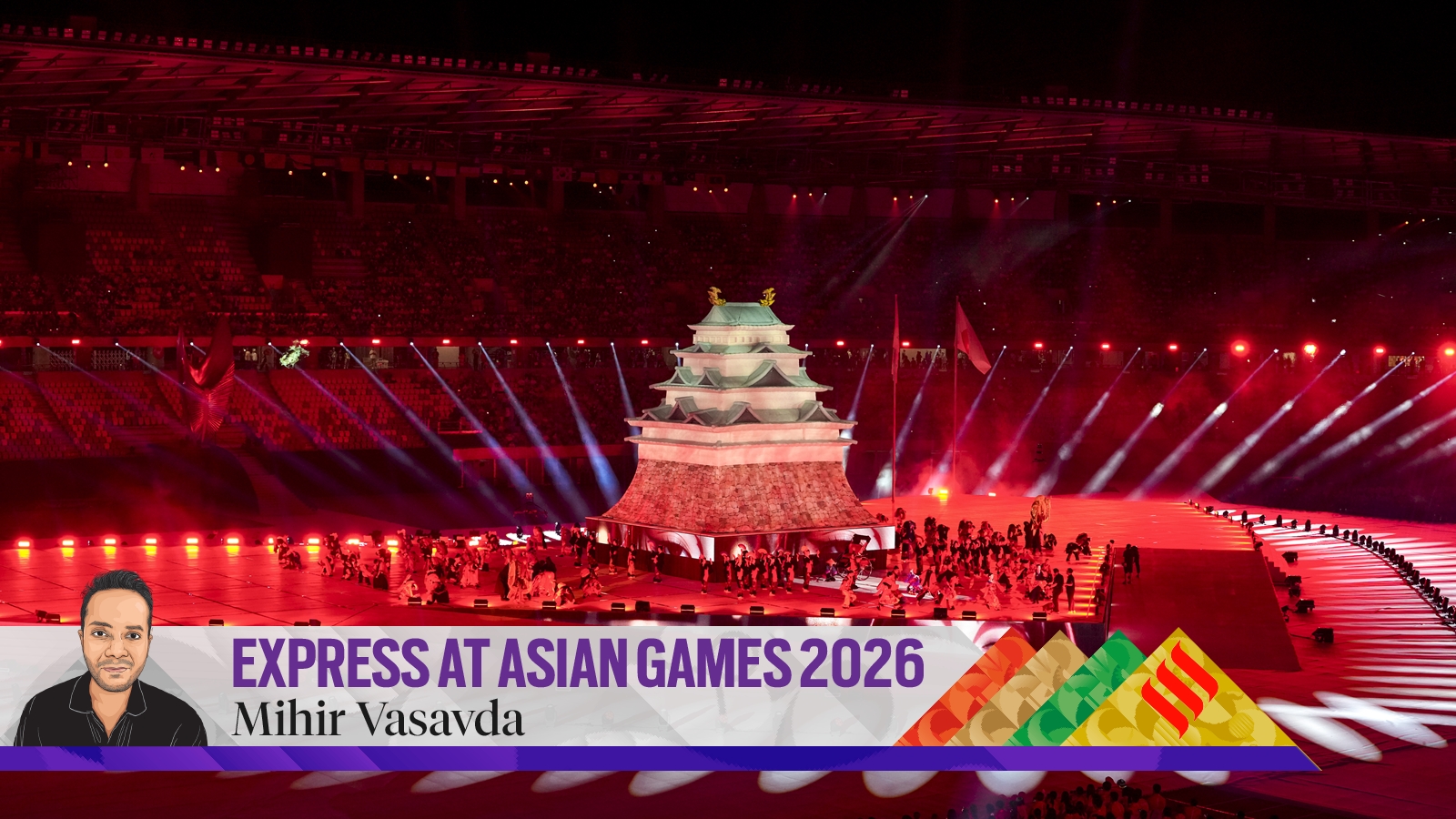
The 2026 Asian Games began with a large ceremony in Nagoya, Japan.
The show included a floating castle, traditional Japanese dancing, music, and bright lights.
It celebrated Japan’s history and skill in making things.
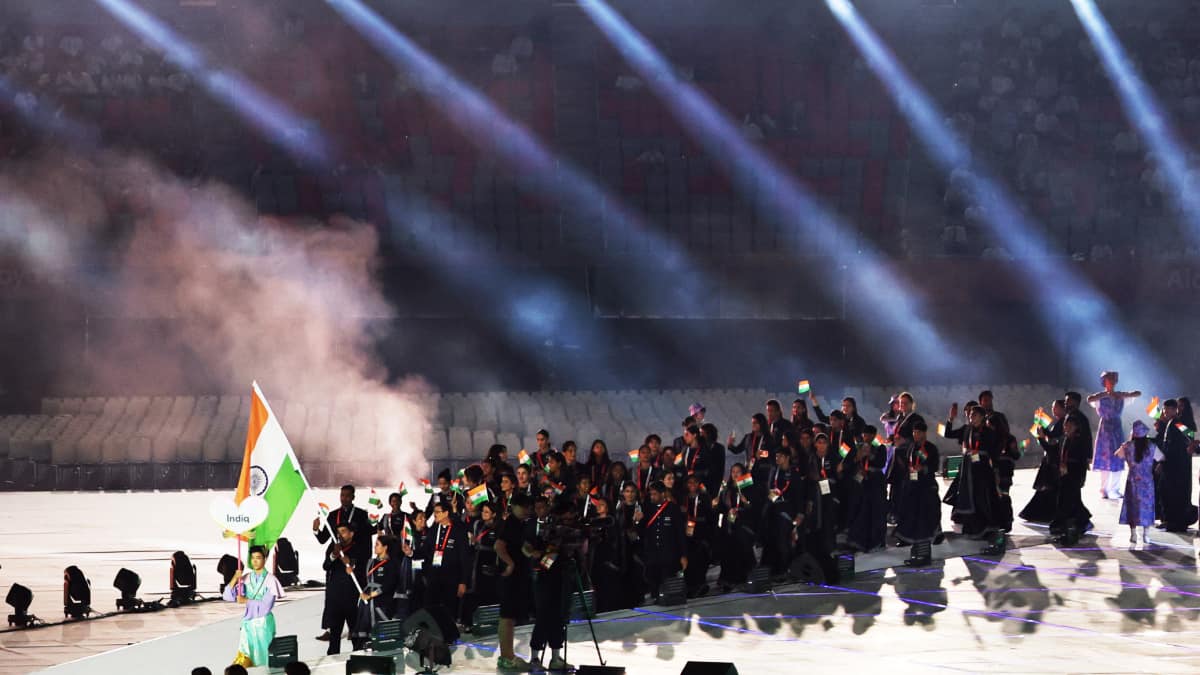
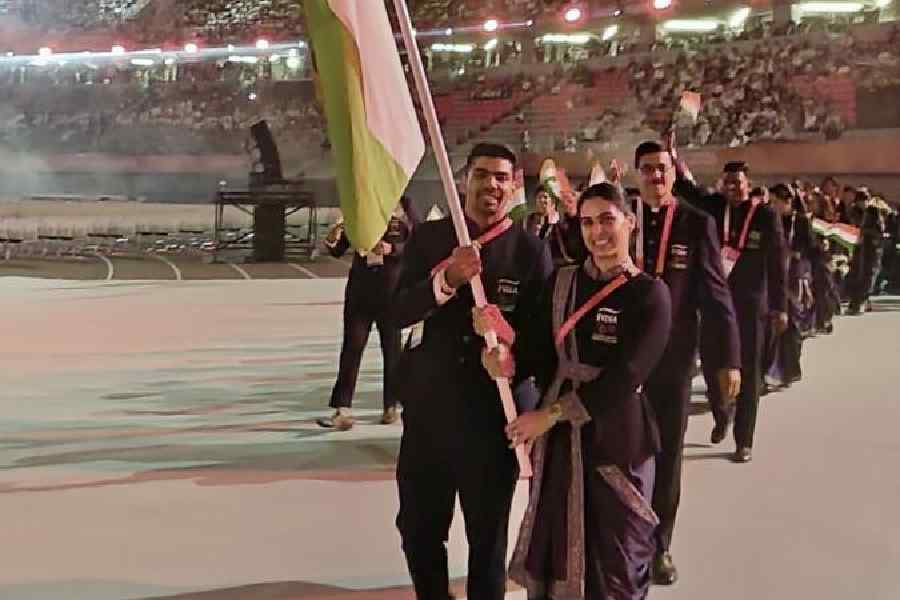
India’s Manu Bhaker and Pawan Sehrawat carried India’s flag together.
Pawan replaced shot-putter Tajinderpal Singh Toor because Toor’s ceremonial clothes had not arrived.
The Games had already faced problems with hotels, buses, training trips, and national anthems.
Many seats in the stadium were empty during the ceremony.
At the end, hammer-throw champions Koji Murofushi and his father, Shigenobu, helped light the flame.
The ceremony gave the Games a hopeful start despite the earlier troubles.

Nagoya’s opening ceremony blended Japanese traditions, modern production, and a floating Nagoya Castle.
Manu Bhaker and Pawan Sehrawat carried India’s flag after Tajinderpal Singh Toor’s ceremonial kit failed to arrive on time.
The ceremony followed a week of logistical problems involving accommodation, transport, training access, and national anthems.
Large sections of the stadium remained empty throughout the event.
Koji Murofushi and his father, Shigenobu, jointly helped light the cauldron in the ceremony’s closing moment.
- Who
- The 2026 Asian Games organizers, participating athletes, and Japanese performers, including Manu Bhaker, Pawan Sehrawat, Koji Murofushi, and Shigenobu Murofushi.
- What
- Nagoya hosted the opening ceremony for the 2026 Asian Games.
- Where
- In Nagoya, Aichi, Japan.
- When
- The ceremony took place on Saturday, with competition beginning Sunday morning.
- Why
- To officially open the Asian Games and present Japanese culture before sporting events began.
Ceremonial Success
Operational Concerns
The opening ceremony’s impact
Ceremonial Success
The ceremony was described as restrained, meticulous, and quietly theatrical, combining Japanese traditions with modern production and ending with an emotional father-and-son cauldron-lighting moment.
Operational Concerns
Large sections of the stadium remained empty, undermining moments intended to show the scale and spectacle of the Asian Games.
Readiness of the Games
Ceremonial Success
The ceremony ultimately proceeded smoothly and gave the Games a hopeful moment before competition began.
Operational Concerns
The build-up included delays in room assignments, long journeys to training venues, transport problems, an accommodation shortage, and errors involving national anthems.
Key facts
- Host city
- Nagoya, Japan
- Edition significance
- Japan’s third Asian Games opening ceremony, after Tokyo in 1958 and Hiroshima in 1994
- Indian flag bearers
- Manu Bhaker and Pawan Sehrawat
- Ceremonial substitution
- Pawan Sehrawat replaced Tajinderpal Singh Toor after Toor’s ceremonial kit was delayed
- India’s previous performance
- India won 106 medals, including 28 gold, at the Hangzhou Asian Games
- Ceremony highlights
- A floating Nagoya Castle, Kabuki, geishas, traditional dance, and modern lights and music
- Cauldron lighting
- Koji Murofushi and his father, Shigenobu, jointly helped light the flame
- Organizational concerns
- Empty seats and reported problems with accommodation, transport, training access, and national anthems
Sources
Related news
Japan Opens Asian Games With Culture, Technology Amid Troubles
Nagoya Asian Games Face Logistics Problems Before Opening Ceremony

India’s Asian Games Flag Ceremony Disrupted Amid Nagoya Chaos

Asian Games Open in Nagoya as India Chases Hangzhou Success
Indian Athletes Urged to Focus Amid Asian Games Chaos
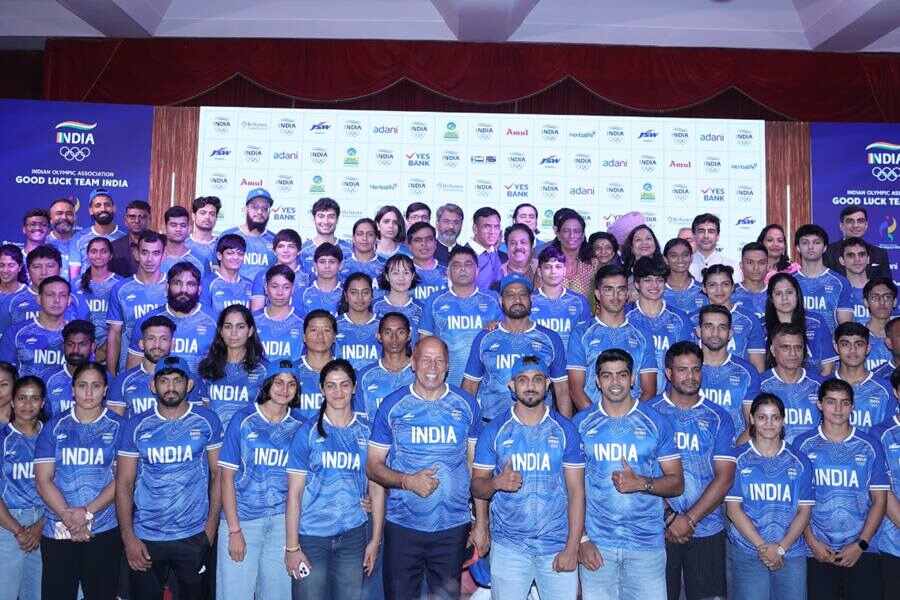
India Sends Asian Games Contingent Seeking Another Record Medal Haul
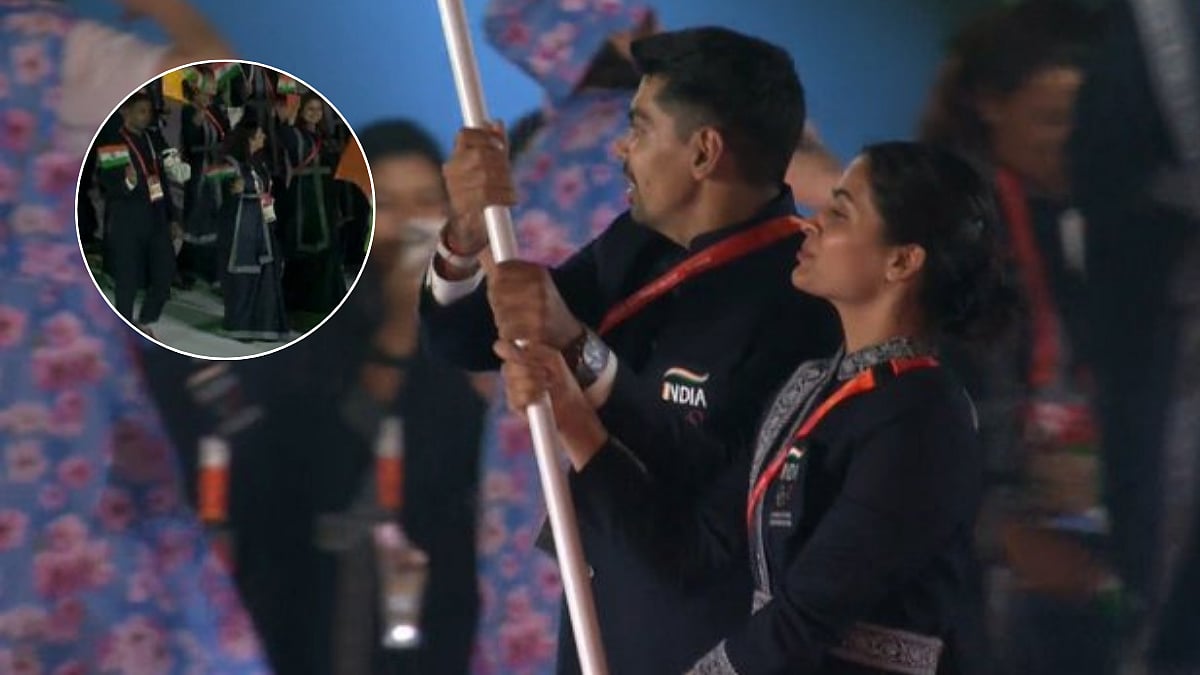
India's 503-Member Contingent Debuts Gujarati Sarees, Bandhgalas at Asian Games
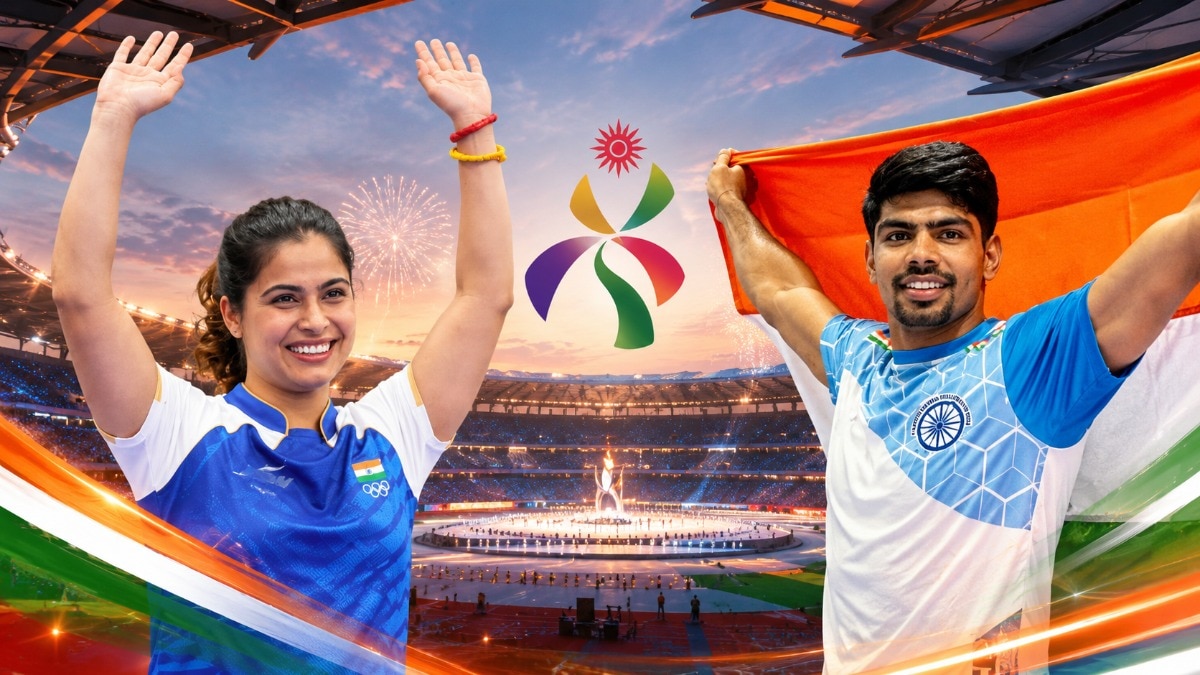
Pawan Sehrawat and Manu Bhaker Lead India at Asian Games

Tajinderpal Toor Breaks Silence On Asian Games Flag-Bearer Controversy
