22 hrs ago
UPSC Polity Quiz Covers Language, Tribal Councils and Rights
This UPSC quiz tests important parts of India’s Constitution and laws.
Hindi is the official language of the Union, but the Constitution does not call it the national language.
English continued to be used along with Hindi.
Autonomous District Councils help administer certain tribal areas in four northeastern states.
These councils can make rules about subjects such as land, forests and mining.
A Governor gives a special address after state elections and at the beginning of each year’s first legislative session.
Article 19 protects the right to work in a profession or business.
Courts distinguish games of skill from games of chance when considering gambling laws.
People under the age of majority generally cannot make legally binding contracts, including by clicking agreement buttons online.

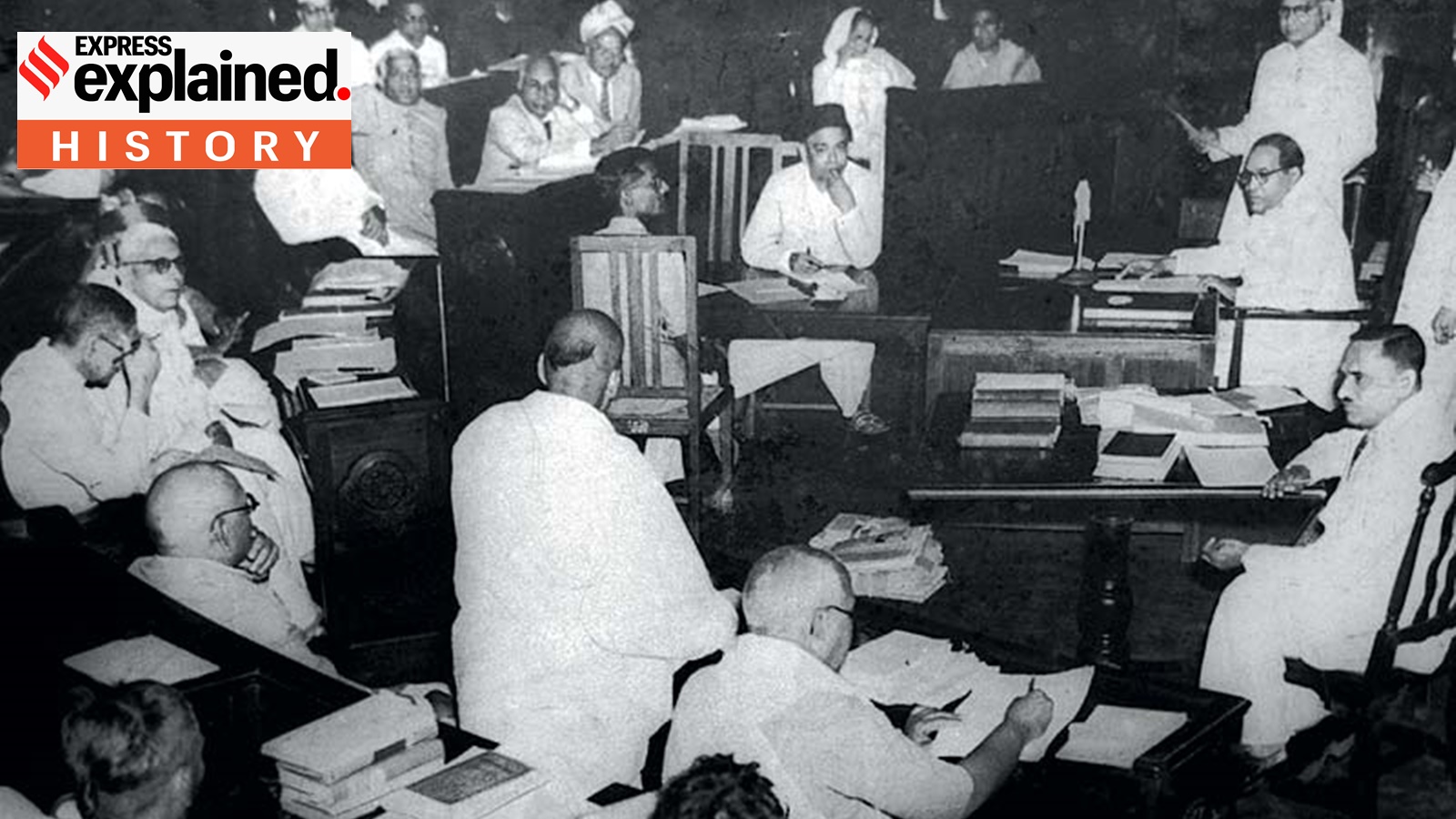
The Munshi–Ayyangar formula made Hindi the Union’s official language, not India’s national language, while English continued alongside it.
Autonomous District Councils come under the Sixth Schedule and operate in tribal areas of Assam, Meghalaya, Mizoram and Tripura.
Under Article 176, the Governor addresses the State Legislature after a general election and at the first session each year.
Article 19 guarantees the freedom to practice a profession, occupation, trade or business, subject to constitutional restrictions.
Both statements about minors’ contractual capacity are incorrect: electronic agreements do not change the Contract Act’s rules on minors.
- Who
- UPSC Essentials presents a Polity and Governance revision quiz covering constitutional provisions, courts, governments and minors.
- What
- The Week 180 quiz contains five sets of multiple-choice questions on official languages, Autonomous District Councils, Governors’ addresses, Article 19 and minors’ contracts.
- Where
- The questions concern India, including its Constitution, northeastern states and Ladakh.
- When
- The material is identified as UPSC Prelims 2027 Polity Quiz, Week 180; no publication date is specified.
- Why
- It is intended to help aspirants revise important static topics for the UPSC examination.
Key facts
- Language compromise
- The Constituent Assembly adopted the Munshi–Ayyangar formula on September 14, 1949.
- Constitutional language provisions
- Articles 343–351 in Part XVII address the Union’s official language.
- English and Hindi
- The Official Languages Act, 1963 provided for English to continue as an official language alongside Hindi.
- Autonomous District Councils
- ADCs are provided for under the Sixth Schedule and Article 244.
- Governor’s address
- Article 176 requires an address after each general election and at the first session of every year.
- Professional freedom
- Article 19(1)(g) protects the right to practice a profession, occupation, trade or business.
- Minors’ contracts
- Section 11 of the Indian Contract Act, 1872 bars minors from entering into contracts; electronic acceptance does not change this rule.
Quotes
The PIL challenging minors’ independent online accounts
A public interest litigation arguing that online acceptance cannot give minors contractual capacity.
“neither the DPDP Act nor the rules framed thereunder expressly prohibit a person below eighteen years from independently creating or maintaining an account on a digital platform nor does it prescribe a uniform mechanism for preventing such independent enrolment.”
 indianexpress.com
“The technological form of acceptance, including click-wrap acceptance or continued use of a platform, cannot therefore alter the substantive legal capacity of a minor.”
indianexpress.com

Indian Contract Act, 1872
The statutory provision quoted in the article regarding contractual competence.
“Every person is competent to contract who is of the age of majority according to the law to which he is subject and who is of sound mind.”
indianexpress.com
Sources
Related news
How India’s Constituent Assembly Settled Its Language Dispute
Hindi Diwas Honors Hindi’s Constitutional Status and Cultural Legacy
Amit Shah Calls Hindi Link Language, Denies Regional Imposition
Leaders Highlight Hindi’s Role in Governance on Hindi Diwas
Shinde Says Hindi Complements Regional Languages at Navi Mumbai Event

Maharashtra Scraps Hindi Exam Requirement After Government Review
Mahua Moitra Alleges BJP Workers Hurled Eggs During Bengal Visit
Telangana High Court Defers Danam Nagender Disqualification Verdict Again

Government Rejects Rethink as UPI Fee Begins October 15

Supreme Court Orders Status Quo in Sridevi Property Dispute

Supreme Court to Hear Challenge Over Tax Reassessment Notices