

1 week ago
Seven Things Never to Put Into an AI Chatbot
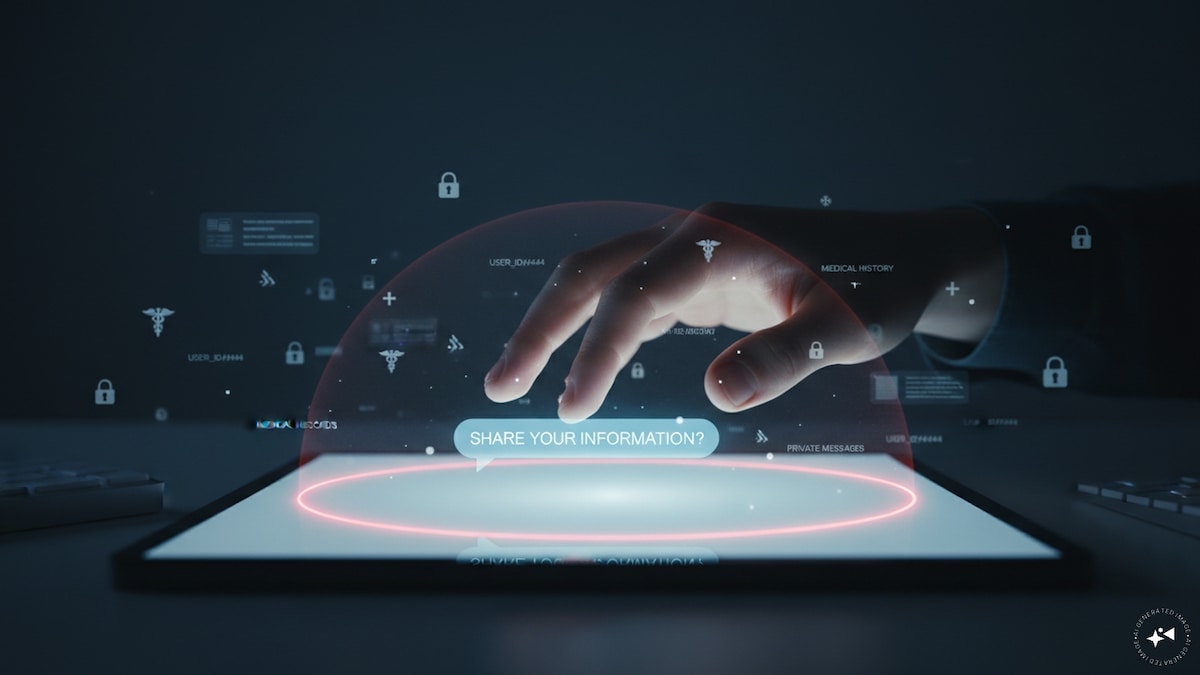
AI chatbots can be useful, but they are not always private diaries.
People should avoid sharing secret information in them.
This includes work documents, passwords and bank details.
It also includes addresses, birth dates and family information.
Legal papers and identification cards should be kept private.
Medical records and insurance documents can reveal sensitive facts about a person.
New inventions, unpublished writing and confidential designs may also be at risk.
A safer approach is to use made-up examples and treat every prompt like a public post.

Sensitive company code, financial reports and business plans could expose trade secrets.
Passwords, usernames, authentication tokens and financial credentials should not be entered into chatbots.
Home addresses, birth dates, phone numbers and family details could enable identity theft or phishing.
Legal documents, identification cards, medical records and insurance information may expose confidential data.
Unpublished manuscripts, inventions and designs could face retention or unintended-disclosure risks.
- Who
- People who use AI chatbots, including employees and individuals seeking advice.
- What
- The article identifies seven categories of private or sensitive information users should not enter into AI chatbots.
- Where
- AI chat interfaces and public AI tools.
- When
- Why
- Conversations may be reviewed by humans, exposed through software flaws, passed to third parties, retained, or otherwise disclosed, creating privacy, security and professional risks.
Key facts
- Business information
- Source code, internal financial reports and sensitive business plans could compromise trade secrets.
- Account credentials
- Usernames, passwords and authentication tokens should be kept out of AI chats.
- Financial details
- Bank-account, credit-card and insurance information should not be entered in full.
- Personal identifiers
- Addresses, birth dates, phone numbers and family details could support identity theft or phishing.
- Legal and identity documents
- Complete legal agreements, rental contracts and identification cards can expose confidential records.
- Health information
- Detailed test results, medical histories and insurance documents reveal sensitive personal data.
- Intellectual property
- Unpublished manuscripts, inventions and confidential designs may be retained or unintentionally disclosed.
Sources
Related news
ChatGPT May Add Locks for More Private Conversations

Hackers Build ChatGPT-Like AI for Phishing Scams from Stolen Files
Experts Warn Innocent Social Media Posts Can Expose Users

OpenAI Tests Private Safety Processing For Paid Customers

ChatGPT Gains Mac Texting Access, Raising Privacy Concerns

Half of Australian children, teens use AI for personal reasons

India’s Insolvency Framework Faces New Questions From AI Transactions

AI, Networking Debate Intensifies Over Future of Tech Careers

Bessent Says AI Could Fuel U.S. Startup Boom
Readers Debate AI Content Rights and National Identity

Musk Predicts AI Will Surpass Humans Digitally By 2027
