2 weeks ago
Karmapa's fate on Himalayan chessboard as India, China compete
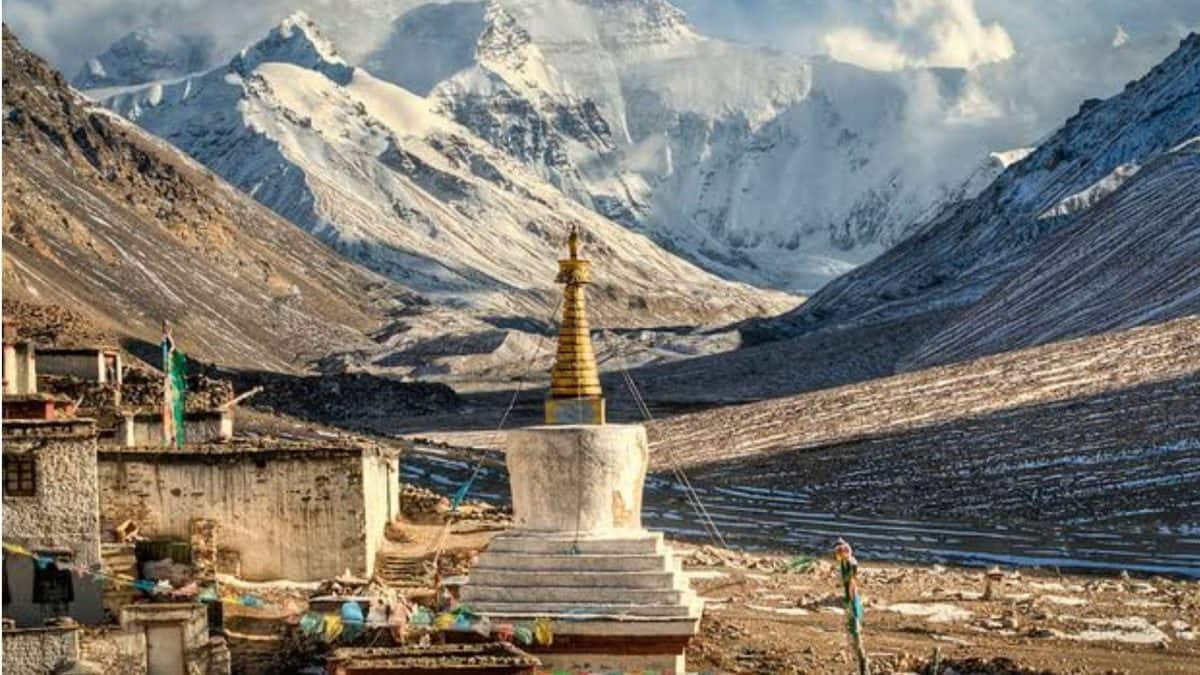
Imagine a very important religious leader, like a special teacher for millions of people.
The Karmapa is one of the most important leaders in Tibetan Buddhism, a religion practiced in Tibet and other places.
He has lived outside India for more than twenty years, even though he says he wants to go back.
Another important teacher, Tai Situ Rinpoche, recently visited his old hometown in Tibet.
Many people lined the streets to welcome him, and Chinese officials gave him special treatment.
Some people think China allowed this visit to get closer to important Buddhist leaders.
The Karmapa also got a passport from a small country called Dominica, which made it harder for him to return to India.
India says he must follow its rules and give back his old travel document first.
This is not just about religion — it is also about two big countries, India and China, competing for influence in the Himalayan mountains.
Many people are watching to see what happens next.

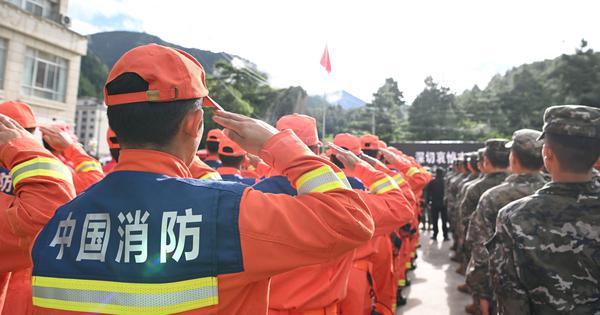
Tai Situ Rinpoche, a senior Karma Kagyu leader and mentor of the 17th Karmapa, made a high-profile visit to his hometown in Dege County, eastern Tibet, receiving VIP treatment from Chinese authorities.
The 17th Karmapa, Ogyen Trinley Dorje, has remained outside India for more than two decades despite repeatedly expressing his desire to return.
The Karmapa's acquisition of citizenship of the Commonwealth of Dominica reportedly surprised Indian authorities and complicated his return.
Indian officials say any future return must comply with immigration procedures, including surrendering his Indian-issued Identity Certificate, known as the 'Yellow Book.'
Analysts view China's engagement with senior Tibetan Buddhist leaders as part of broader strategic competition between India and China in the Himalayan region.
- Who
- Tai Situ Rinpoche, a senior Karma Kagyu leader and mentor of the 17th Karmapa, Ogyen Trinley Dorje, along with Indian and Chinese authorities.
- What
- Tai Situ Rinpoche's high-profile visit to his hometown in Tibet and the unresolved question of the 17th Karmapa's return to India.
- Where
- Dege County, eastern Tibet; India; Washington, D.C.
- When
- In recent weeks for the visit; the Karmapa has been outside India for more than two decades.
- Why
- Because the Karmapa's religious authority makes him strategically significant in the India-China geopolitical competition over the Himalayan region.
Supporters and Chinese authorities
Critics, Indian officials and observers
Karmapa's Dominican citizenship
Supporters and Chinese authorities
Supporters argue the citizenship should not block his return, noting many religious leaders hold foreign citizenship without it affecting their standing or travel.
Critics, Indian officials and observers
Critics questioned the decision, and Indian officials say any return must comply with immigration procedures, including surrendering the Indian-issued Identity Certificate.
China's engagement with Buddhist leaders
Supporters and Chinese authorities
Chinese authorities present visits such as Tai Situ Rinpoche's as normal religious and cultural exchanges.
Critics, Indian officials and observers
Some observers view them as efforts to strengthen Beijing's influence among Buddhist communities in Tibet and the wider Himalayan region.
Wider political implications of the visit
Supporters and Chinese authorities
Some analysts regard the visit as consistent with China's broader strategy of cultivating relationships with influential cross-border religious leaders.
Critics, Indian officials and observers
Whether the visit will have wider political implications remains uncertain, and it may or may not shape future developments involving the Karmapa.
Key facts
- Karmapa
- Ogyen Trinley Dorje, the 17th Karmapa
- Tai Situ Rinpoche
- Senior Karma Kagyu leader, principal teacher and spiritual mentor of the 17th Karmapa
- Visit location
- Dege County, eastern Tibet
- Karmapa's citizenship
- Commonwealth of Dominica
- Travel document
- Indian-issued Identity Certificate, known as the 'Yellow Book'
- Time outside India
- More than two decades
- Himalayan regions cited
- Ladakh and Arunachal Pradesh
- Related senior leaders
- His Holiness the 14th Dalai Lama and the Sakya Trizin
Sources
Related news

US Envoy’s Planned Dalai Lama Meeting Faces Uncertainty in Leh
Report Says China Tightens Control, Marginalizes Tibetans in Leadership

Tibet Studies Conference Pushed Online Amid China Pressure Questions
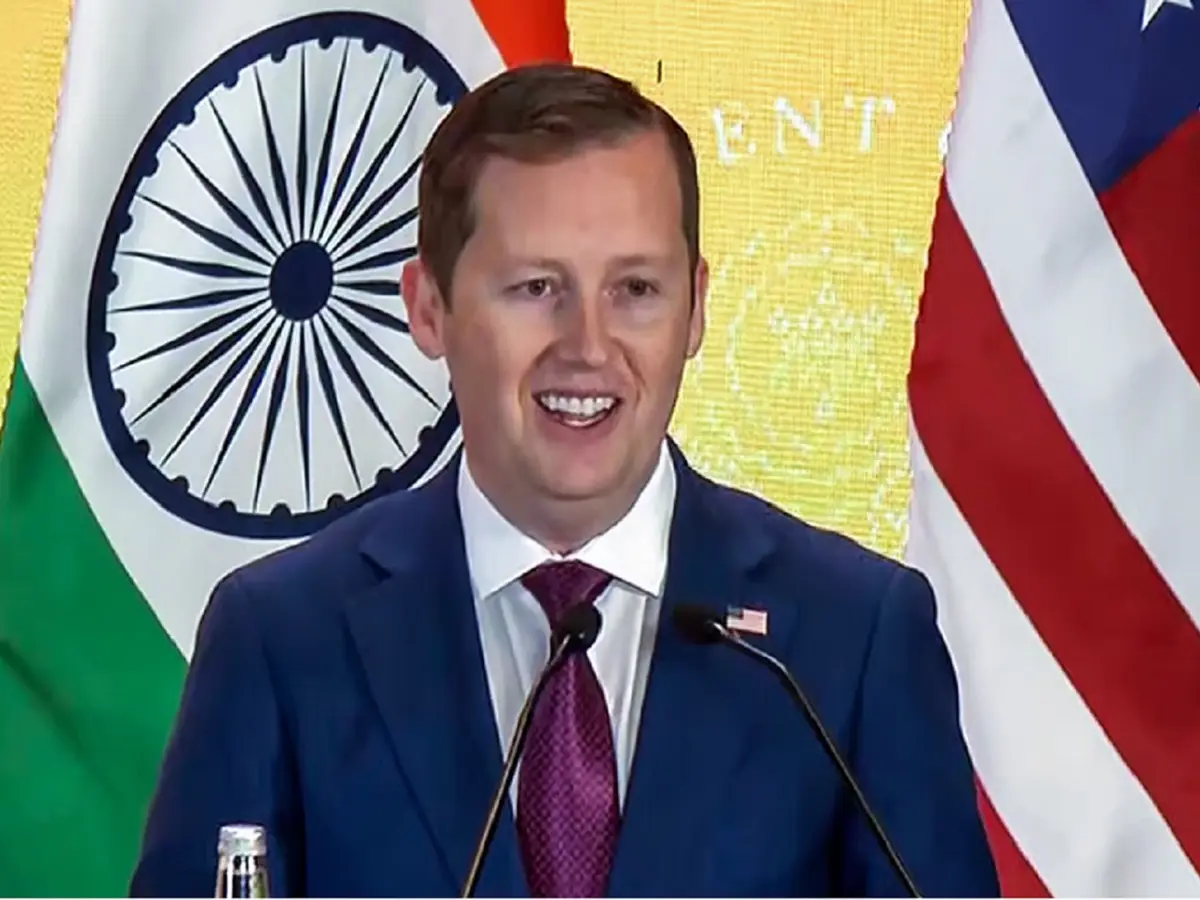
US Ambassador Sergio Gor Arrives in Ladakh After Kashmir Visit

US Envoy's Ladakh Visit Fuels Dalai Lama Meeting Speculation
India Warns China Border State Reflects Bilateral Ties
Satellite Radar May Strengthen Nepal's Flood Warning Systems
Nepal Plans New Landslide Warning System Along China Border

Nepal Thanks India as Glacial Disaster Rescue Efforts Continue
Nepal Warns of Heavy Rain After Deadly Floods
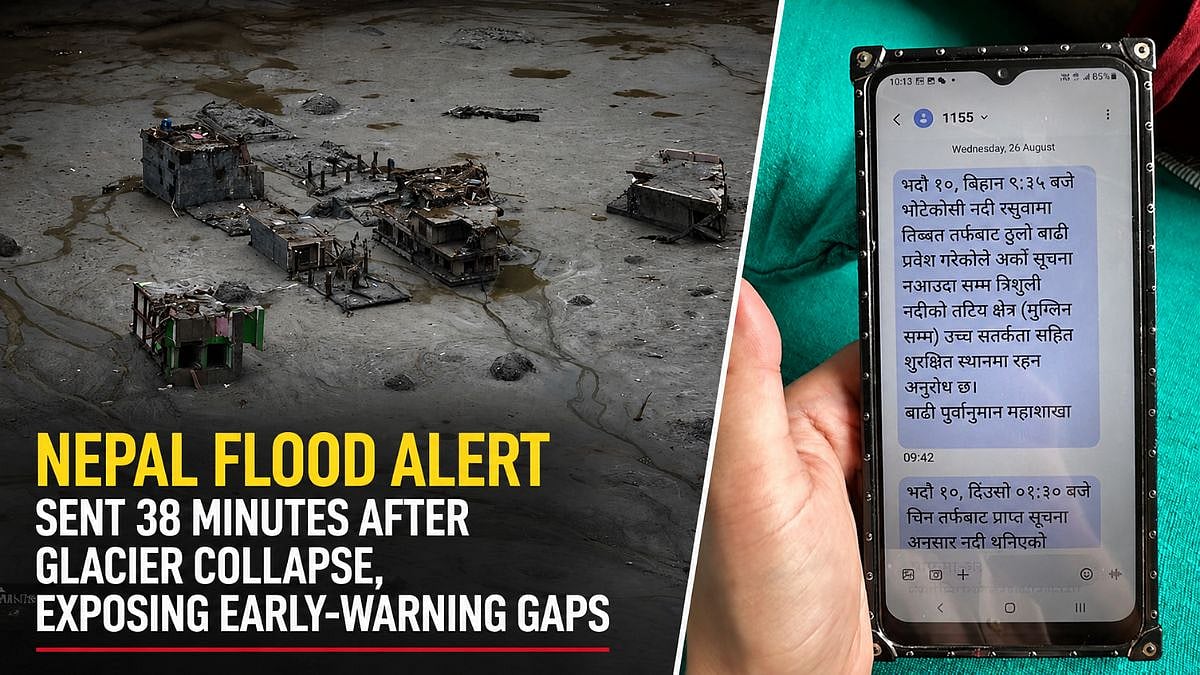
Nepal Flood Exposes Delayed Alerts and Cross-Border Warning Gaps