

1 hr ago
Ayurveda’s Next Decade Must Turn Foundations Into Trust
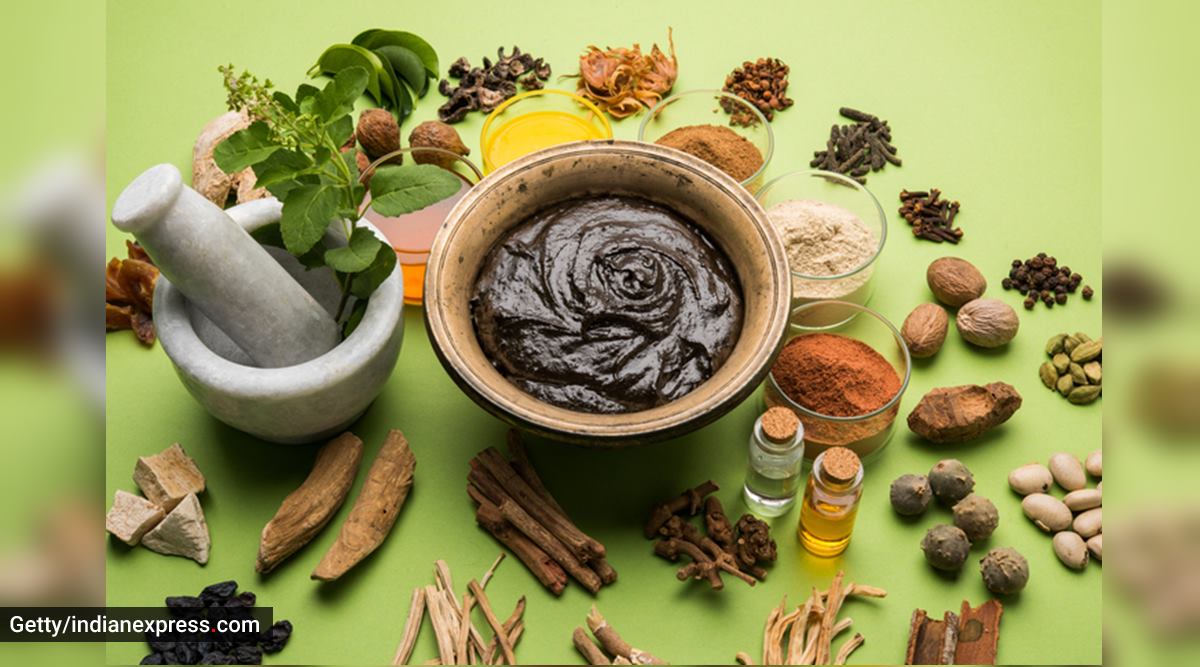
The article says Ayurveda has grown a lot in India during the past 10 years.
New clinics, institutions and rules have been created.
Many more people now receive Ayush care.
But building these things is only the beginning.
Ayurveda also needs strong studies, reliable records and clear standards for medicines.
These standards would help people know whether products and treatments are safe and consistent.
The author says trust must come from information that can be checked, not only from tradition.
The article wants Ayurveda to be properly regulated in many more countries.
It says India should use Ayurveda to help people stay healthy by 2047.

The author says India has built major Ayurveda institutions and infrastructure over the past decade.
Ayushman Arogya Mandirs now number 12,500 and have served 12.64 crore people, according to the article.
India’s traditional-medicine sector reportedly grew from under $3 billion to more than $43 billion.
The article argues that evidence, consistent standards, patient data and trust must guide Ayurveda’s next phase.
It calls for Ayurveda to become regulated in 50 countries within the next decade.
- Who
- The author, researchers, practitioners, manufacturers and the Indian government are the main groups discussed.
- What
- An opinion article assesses Ayurveda’s progress and calls for stronger evidence, standards, data and international regulation.
- Where
- The focus is India, with international expansion discussed; the WHO Global Centre for Traditional Medicine is identified as being in Jamnagar.
- When
- The article looks back at the decade since November 9, 2014, and sets goals for 2047 and the next 10 years.
- Why
- The author argues that Ayurveda needs verifiable evidence, consistent standards and regulation to earn trust, protect patients and expand access.
Key facts
- Long-term target
- India’s goal is to become a developed nation by 2047, its centenary of independence.
- Ayush facilities
- 12,500 Ayushman Arogya Mandirs reportedly deliver Ayush care.
- People served
- Ayushman Arogya Mandirs reportedly served 12.64 crore people, compared with 5.07 crore in 2021.
- Sector growth
- The Ayurveda and traditional-medicine sector reportedly grew from under $3 billion to more than $43 billion.
- International classification
- A traditional-medicine module of the International Classification of Diseases went live in February 2025 with 1,941 Indian morbidity codes.
- Global institution
- A WHO global centre for traditional medicine is located in Jamnagar and is described as one of four such centres worldwide.
- Regulation goal
- The article proposes that Ayurveda should be regulated in 50 countries within 10 years.
Sources
Related news
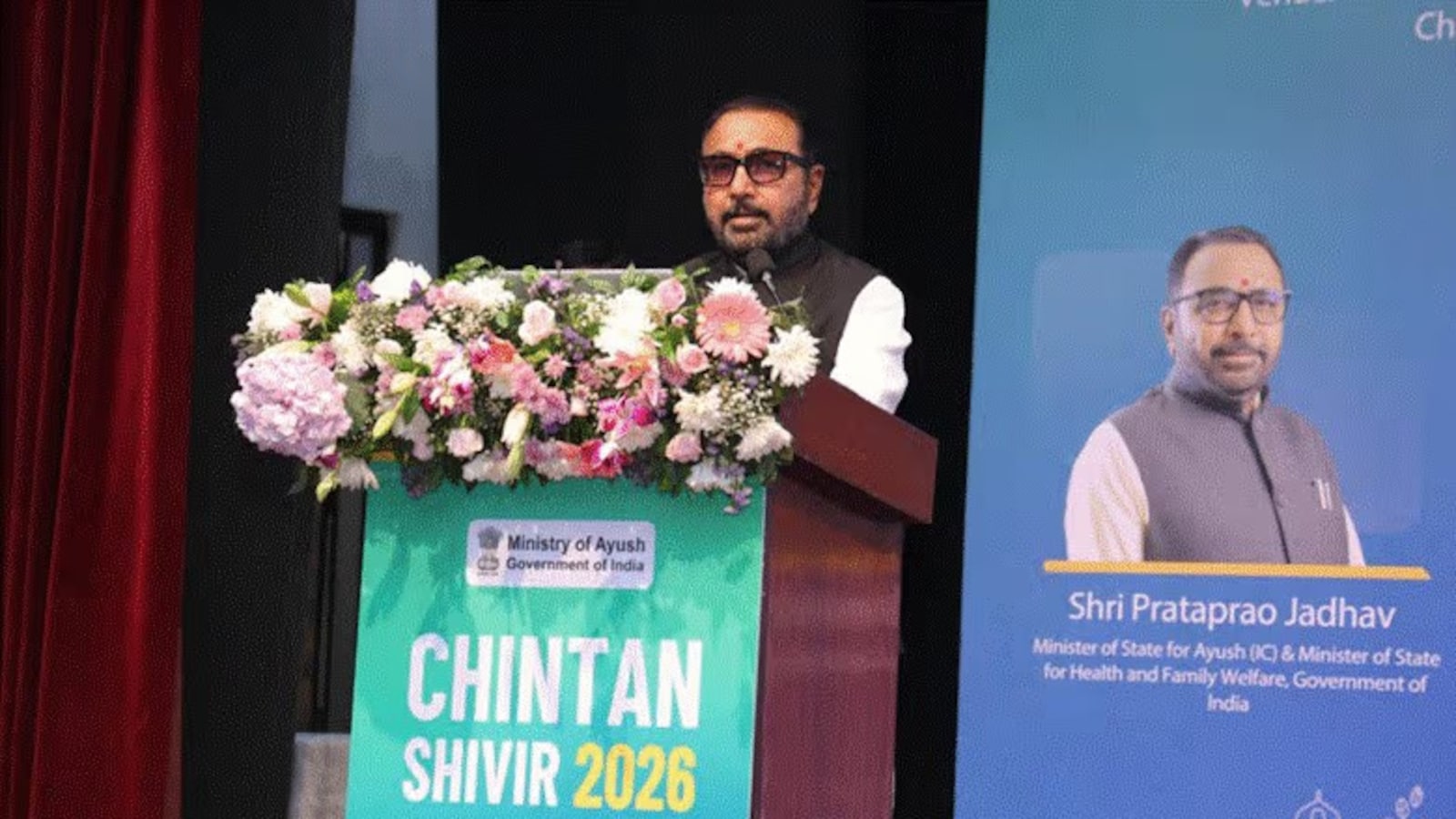
Ayurveda Day 2026 Campaign Links Tradition With Modern Healthcare

Parampara Ayurved Leader Outlines Vision for India’s Heritage

Crescent Canna India Promotes Transparent Botanical Wellness Products

India’s Food Safety Drive Highlights Regulation and Enforcement Gaps
Adani Urges Wider Infrastructure Rating Lenses for India’s Ambitions
