23 mins ago
BRICS Declaration Urges Protection and Repatriation of Cultural Heritage

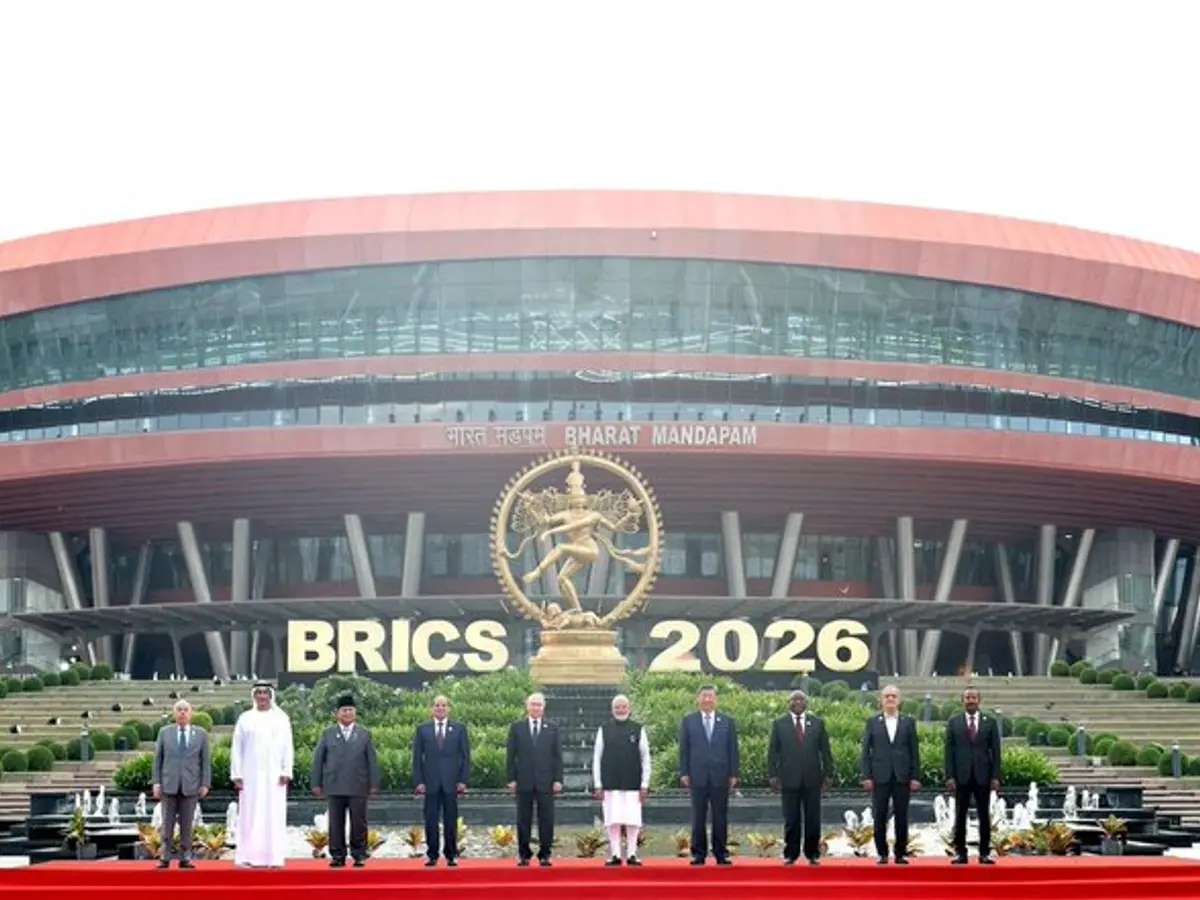
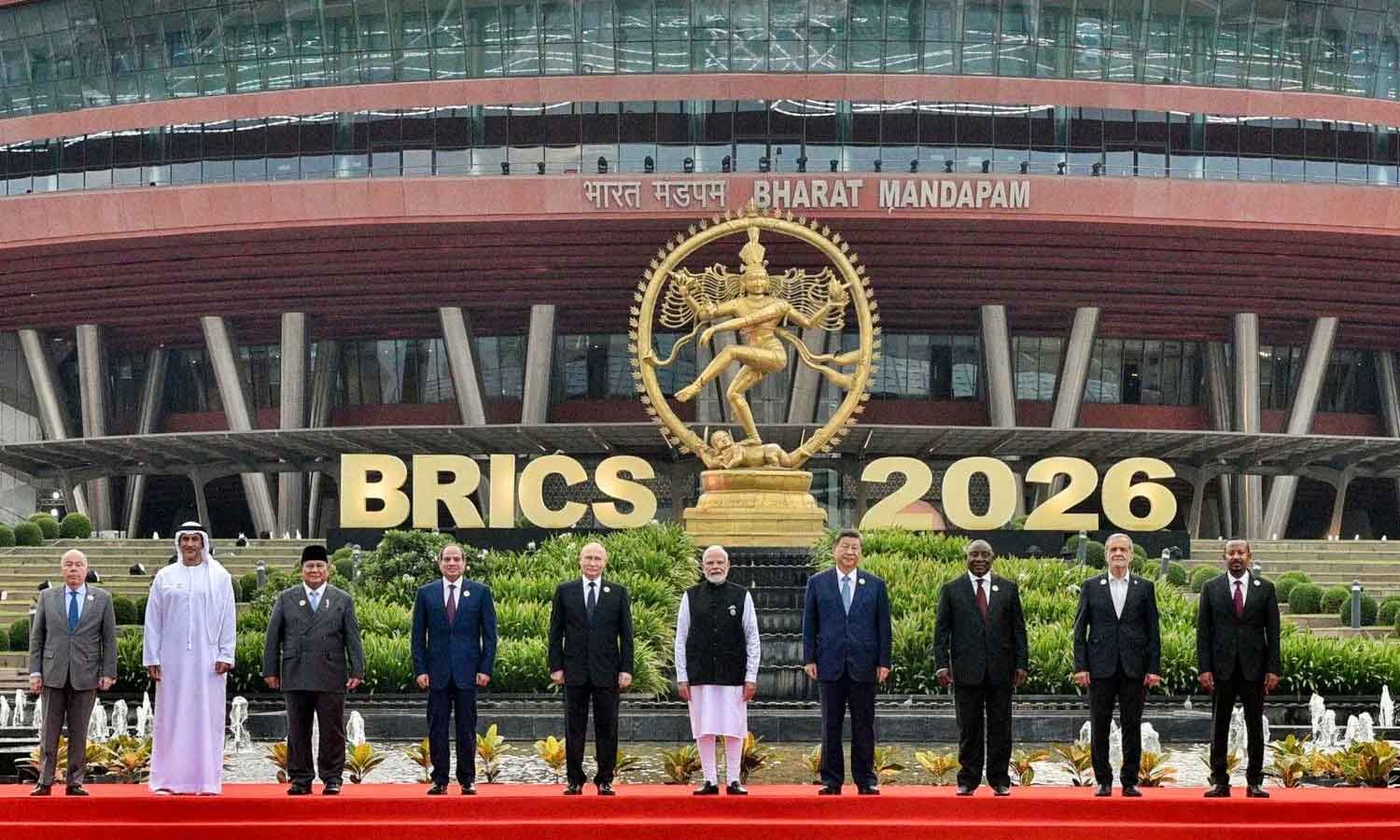
BRICS countries met at a summit hosted by India.
On the first day, they agreed to a declaration about culture and tourism.
They said important buildings, objects and traditions should be protected, especially in places affected by conflict.
They also supported returning valuable objects to the countries where they originally came from.
Countries will be encouraged to share information through museums, libraries and archives.
They supported festivals and other programs that help people learn about one another’s cultures.
The leaders also want tourism to be sustainable and helpful to local communities.
They said digital tools and artificial intelligence could make tourism systems work better.

BRICS leaders adopted the New Delhi Declaration on the first day of the two-day summit hosted by India.
The declaration calls for protecting cultural heritage in conflict-affected regions and repatriating antiquities and culturally significant objects.
Leaders encouraged cooperation among museums, archives, libraries and other cultural institutions, including information-sharing and joint UNESCO initiatives.
The grouping welcomed cultural platforms such as the BRICS Culture, Theatre and Film Festivals, as well as the WAVES Bazaar.
BRICS leaders backed sustainable, inclusive and technology-supported tourism, including ecotourism and exchanges on responsible tourism models.
- Who
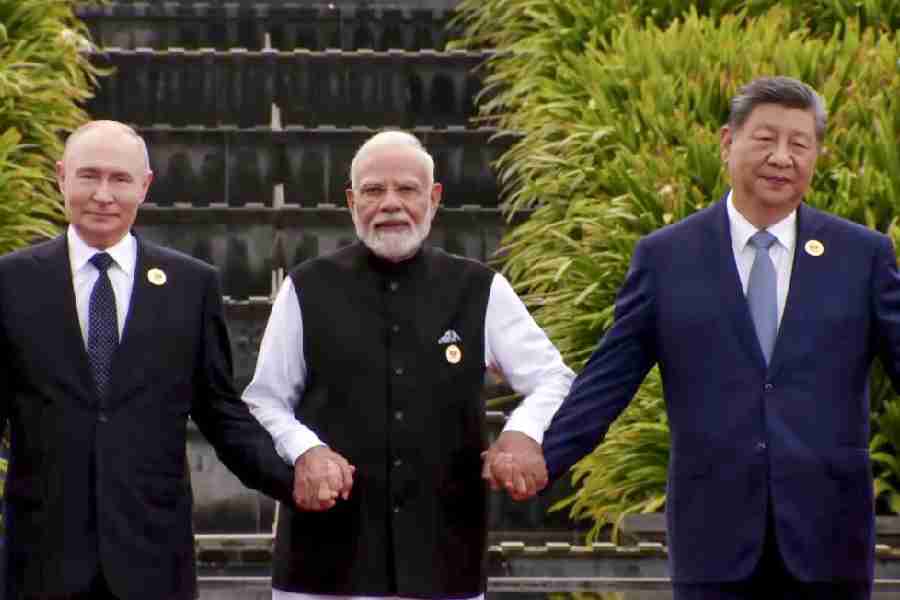
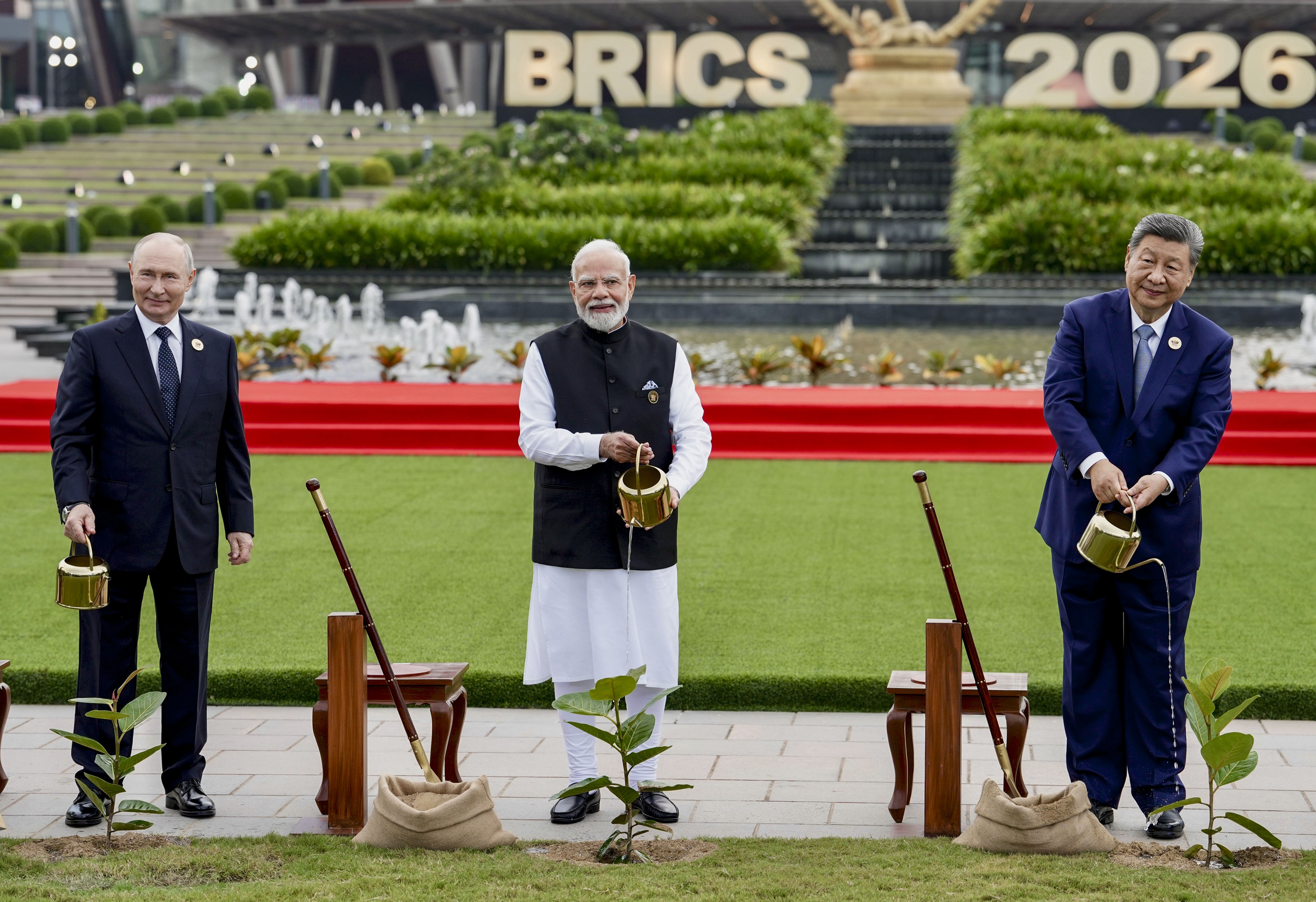
- Leaders of BRICS countries, including Narendra Modi, Xi Jinping, Vladimir Putin, Masoud Pezeshkian and Mohamed bin Zayed Al Nahyan.
- What
- They adopted the New Delhi Declaration, calling for cultural-heritage protection, repatriation of antiquities and stronger cultural and tourism cooperation.
- Where
- At the BRICS Summit hosted by India; the declaration also references the Bhopal and Jaipur ministerial meetings.
- When
- Saturday, September 12, during the first day of the two-day BRICS Summit.
- Why
- To preserve cultural heritage, strengthen people-to-people ties and promote inclusive, sustainable and resilient tourism among BRICS countries.
Key facts
- Declaration
- New Delhi Declaration
- Cultural heritage
- Leaders called for protection in conflict-affected regions and restitution or repatriation of culturally significant objects.
- Cultural cooperation
- Members were encouraged to exchange information and best practices through museums, archives, libraries and cultural institutions.
- New initiative
- An Artist Registry will be developed on a pilot basis for voluntarily participating members.
- Cultural platforms
- The declaration welcomed the BRICS Culture Festival, WAVES Bazaar, BRICS Theatre Festival and BRICS Film Festival.
- Tourism policy
- Leaders supported sustainable, inclusive, smart and resilient tourism, including ecotourism.
- BRICS membership
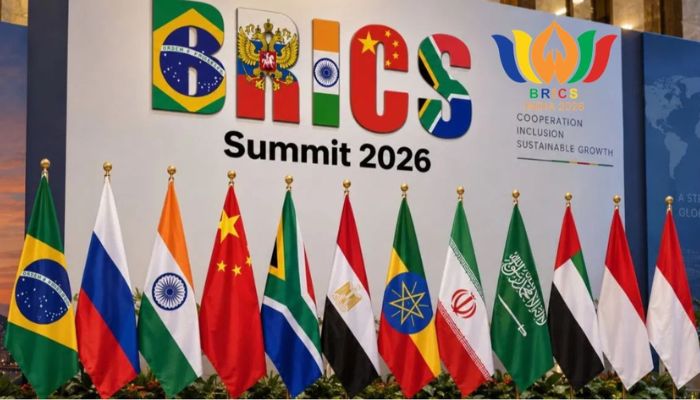
- The grouping includes Brazil, Russia, India, China, South Africa, Egypt, Ethiopia, Iran, the United Arab Emirates, Saudi Arabia and Indonesia.
Quotes

BRICS leaders
Leaders of the BRICS member countries adopting the summit declaration
“We appreciate the organisation of the BRICS Theatre Festival and the BRICS Film Festival as important platforms for showcasing the cultural diversity of our nations, promoting the circulation of cultural and creative works, and strengthening people-to-people ties.”
 theprint.in
“We encourage the exchange of information and sharing of best practices in the cultural and creative industries, including in the areas of training and capacity-building for artists and cultural practitioners.”
theprint.in
Sources
Related news
BRICS Adopts New Delhi Declaration Despite West Asia Divisions
BRICS Adopts New Delhi Declaration Amid Global Divisions
BRICS Reaches New Delhi Consensus Despite Iran-UAE Divisions
BRICS Unanimously Adopts Delhi Declaration in Diplomatic Win for India
BRICS Declaration Emphasizes People Ties, Women and Youth Cooperation

BRICS Declaration to Emphasize Terrorism, Reform and Global South
Governor Gehlot Urges Bidar Graduates to Serve India
Udit Raj Urges India-China Talks on Border and Trade Issues
AAP Challenges BJP Over Planned ‘Sheeshmahal’ Bungalow Inspection
BRICS Declaration Calls for Trade Flow and UN Reform