21 mins ago
BRICS Seeks Self-Reliance Through Energy, Food and Rare Earths
BRICS is a group of countries trying to depend less on traditional trade networks.
Its leaders want stronger cooperation in energy, food, minerals and transportation.
The group has a large share of the world's rare earth minerals, which are used in phones, electric cars and other technologies.
It also has a large share of global oil reserves.
BRICS countries produce more than half of the world's food.
These resources could help the group handle sanctions, wars and supply disruptions.
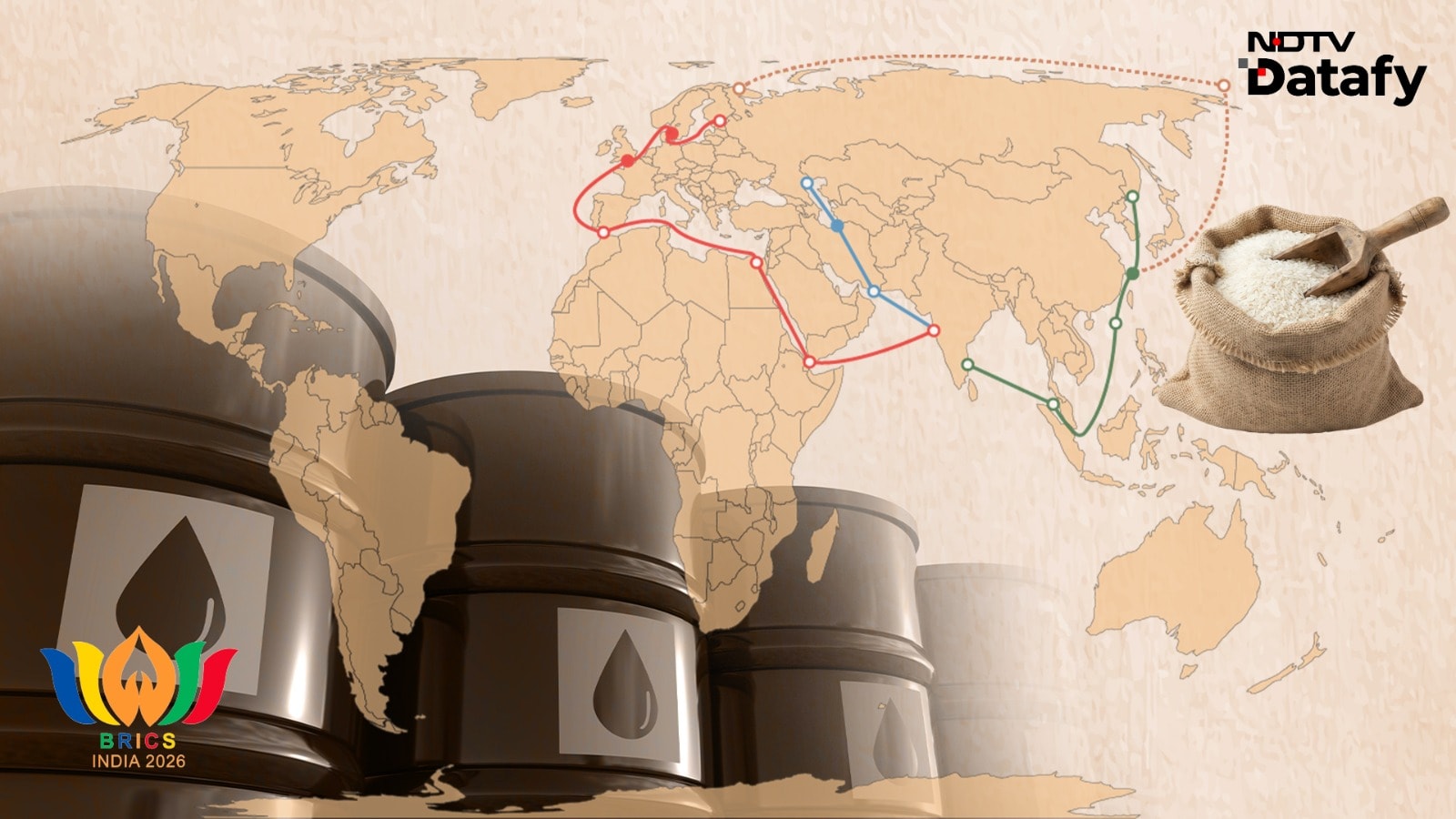
The countries are also considering new sea and land routes that avoid important shipping chokepoints.
However, the group still depends on Western countries for some advanced computer chips and high-end technologies.

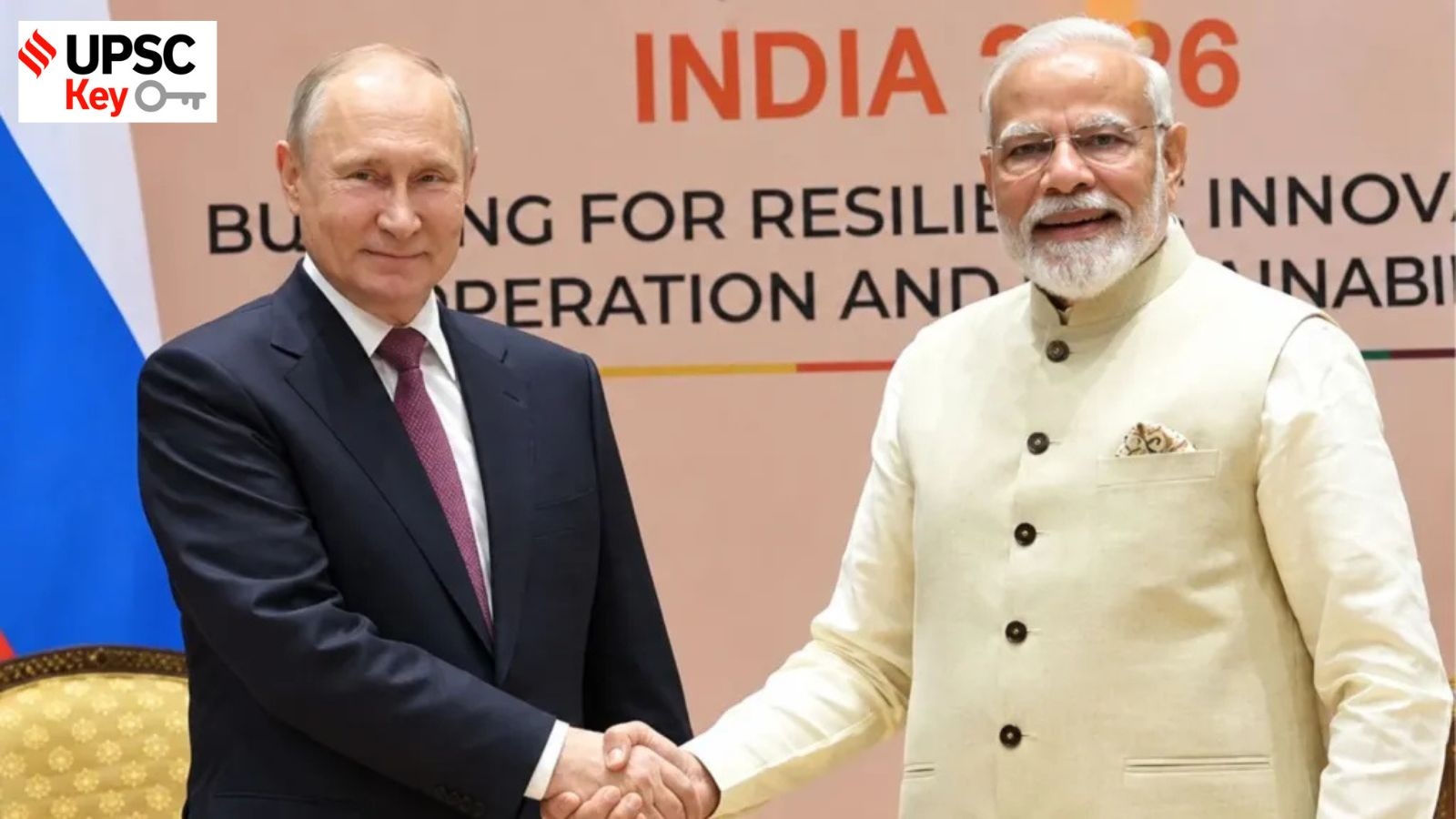
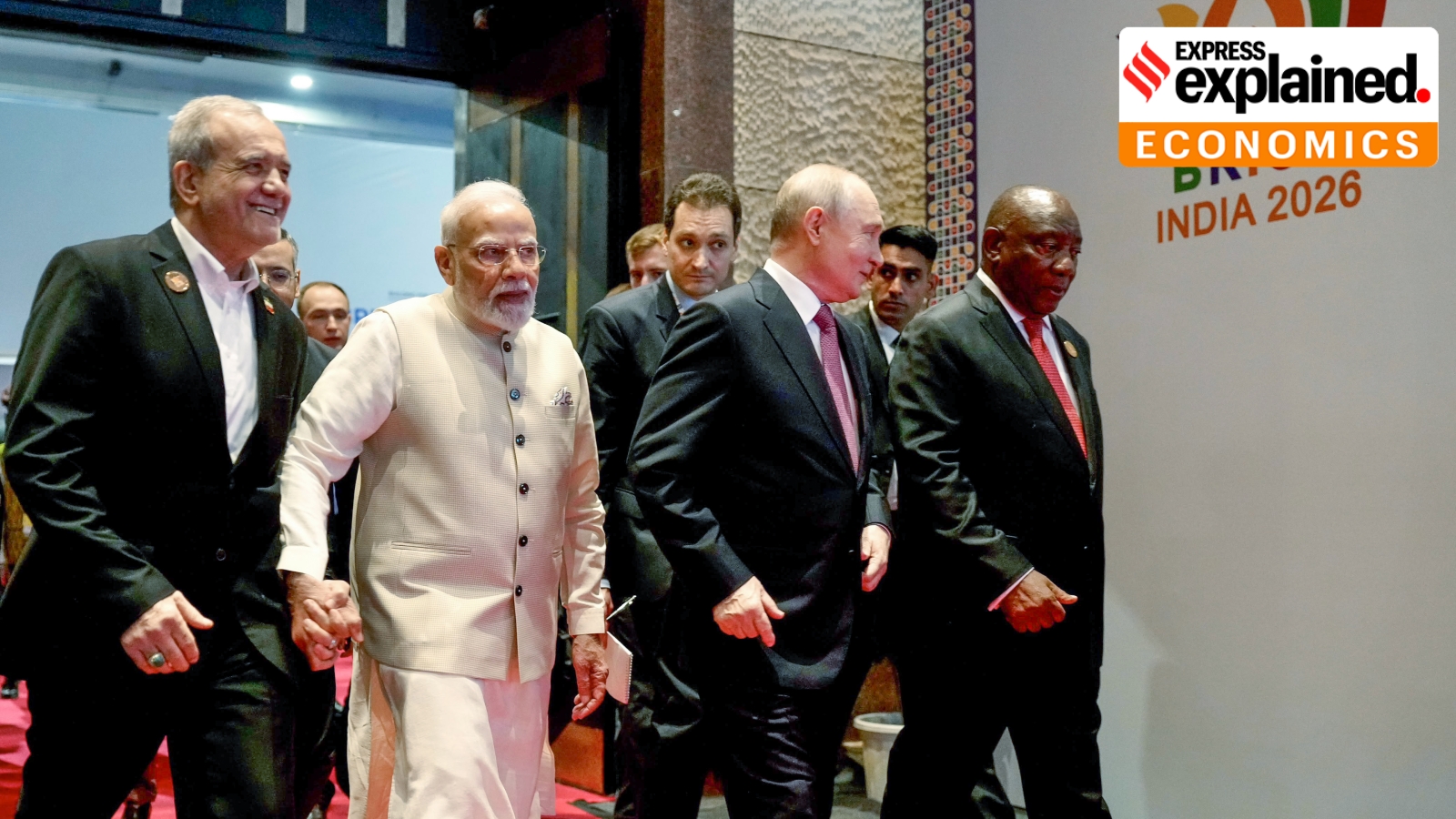
BRICS leaders, including Narendra Modi and Vladimir Putin, called for stronger economic cooperation and alternative trade corridors.
BRICS countries collectively account for about 85% of the world's rare earth reserves, led by China and Brazil.
The bloc holds about 40.7% of global proven oil reserves, giving it substantial influence over energy markets.
BRICS countries produce 57.4% of the world's food, with China and India accounting for nearly half of global output.
The bloc is exploring routes such as the International North-South Transport Corridor and Arctic shipping links to reduce supply-chain vulnerabilities.
- Who
- BRICS leaders and member countries, including Narendra Modi, Vladimir Putin, China, India, Brazil, Russia and South Africa.
- What
- The bloc is seeking greater economic self-reliance through cooperation on energy, food, rare earths, supply chains and alternative trade routes.
- Where
- Across BRICS countries and their proposed international trade corridors, including routes involving Russia, India and maritime chokepoints such as the Strait of Hormuz.
- When
- The push is occurring as sanctions, tariffs, trade restrictions and geopolitical disruptions reshape global commerce; rare-earth figures cited are from 2025 data.
- Why
- To reduce vulnerability to sanctions, supply disruptions, geopolitical shocks and dependence on traditional trade networks.
Case for BRICS Self-Reliance
Limits to BRICS Independence
Strategic resources
Case for BRICS Self-Reliance
BRICS's large shares of rare earth reserves, oil reserves and food production could help the bloc withstand sanctions, inflation and supply-chain disruptions.
Limits to BRICS Independence
Resource strength does not eliminate dependence on advanced semiconductors and other high-end technologies supplied from outside the bloc.
Alternative trade routes
Case for BRICS Self-Reliance
New corridors and maritime routes could bypass chokepoints, shorten distances and keep commerce moving during crises.
Limits to BRICS Independence
The article describes these networks as routes being explored or proposed, so their ability to fully replace existing trade networks is not established.
Key facts
- Rare earth reserves
- BRICS countries account for about 85% of global rare earth reserves.
- China's rare earth share
- China holds 48.9% of global rare earth reserves, according to 2025 United States Geological Survey data.
- Oil reserves
- BRICS countries hold about 40.7% of the world's proven oil reserves.
- Food production
- BRICS countries account for 57.4% of global food production.
- Key food producers
- China and India together produce nearly half of the world's total food output.
- Alternative corridors
- The bloc is exploring the International North-South Transport Corridor and Russia's proposed eastern and Arctic shipping routes.
- Remaining dependence
- The article says BRICS still depends on Western countries for advanced semiconductors and high-end technology.
Sources
Related news

BRICS Faces Two Major Energy and Food Security Challenges
Putin Says BRICS Can Strengthen Global Energy and Food Security
Why India Needs BRICS And QUAD For Energy Security

PM Narendra Modi urges energy self-reliance amid resource weaponisation warnings

Jaishankar Calls for Stronger BRICS Trade, Resilient Supply Chains

BRICS Summit Focuses on Global South Economic Resilience
Two Explosions Reported Off Iran’s Qeshm Island Coast

Iran, Gulf States To Discuss Hormuz Shipping Routes In Oman

Houthi Advance Threatens Red Sea Shipping, Driving Saudi Oil Diversions
BRICS Energy Security Call Faces Test Amid West Asia War