

4 hrs ago
India’s Federalism Faces New Questions Over Centralising Power
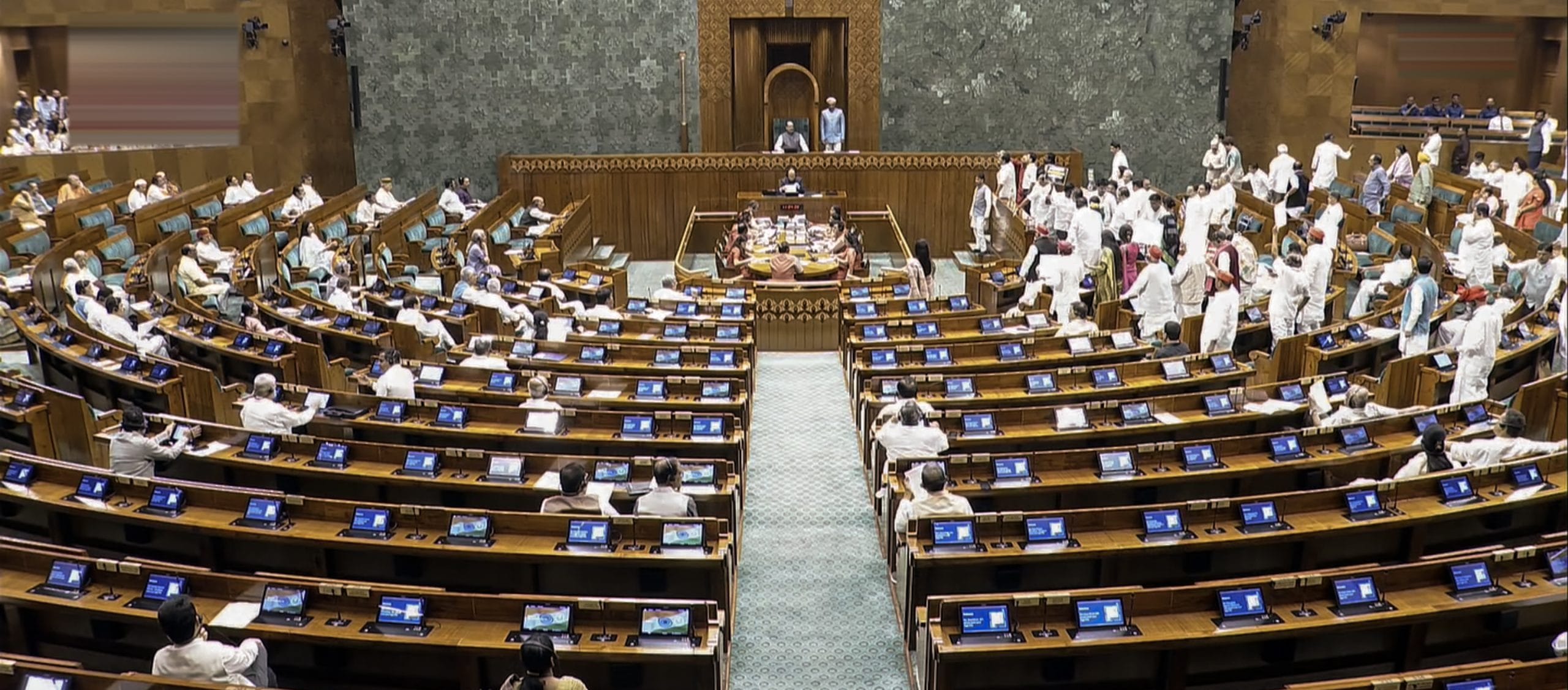
India has a central government and state governments that share power.
Some people believe the central government is making more decisions that affect the states.
One example is a disagreement over a High Court chief justice appointment.
Other examples involve mineral taxes, money collected by the Centre, and the powers of central agencies.
National programmes can make services more consistent across the country.
However, states may want to create policies that fit their own people and problems.
The Centre says common rules can improve stability, security and efficiency.
The debate is about finding a balance between national coordination and state freedom.
Strong federalism means both levels of government can work together while respecting each other.

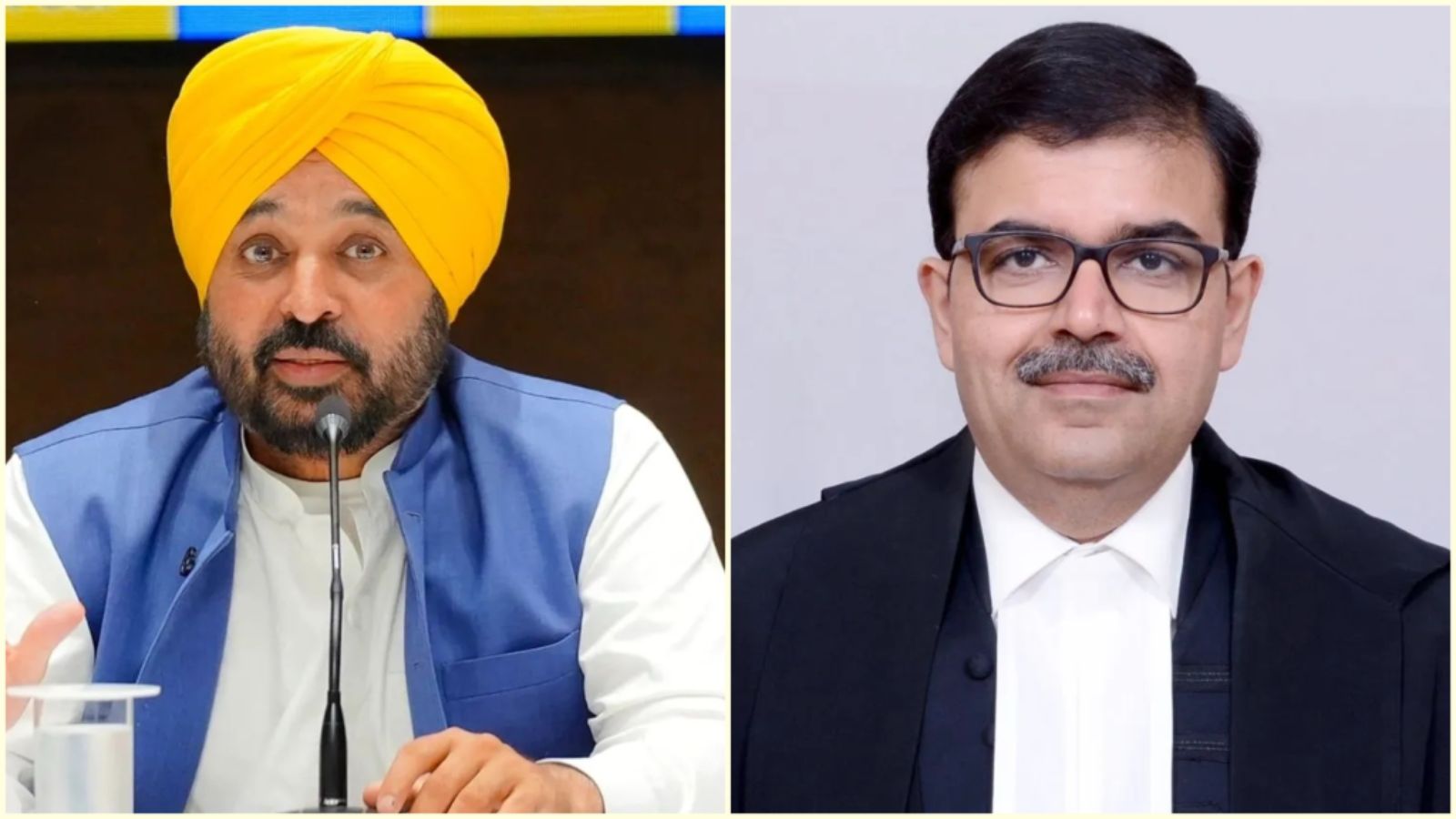
The appointment of Justice Ashwani Kumar Mishra as Chief Justice of the Punjab and Haryana High Court has prompted concerns about state consultation.
The Mines and Minerals (Development and Regulation) Amendment passed in August 2026 restricts certain state taxes and levies on mineral rights and mineral-bearing land.
Growing cesses and surcharges have increased concerns about states’ financial autonomy because these revenues are not shared through the divisible pool.
Expanded central-agency powers and the Border Security Force’s wider jurisdiction have raised questions about states’ administrative space.
Centrally sponsored schemes and nationwide policies may improve coordination, but critics say states need flexibility to reflect local priorities and conditions.
- Who
- The Government of India, state governments, the Supreme Court, central agencies and the states affected by these decisions.
- What
- A debate over whether India’s federal system is becoming more centralised and leaving states with less financial, administrative and policymaking autonomy.
- Where
- India, including Punjab, Haryana, West Bengal, Assam, Delhi and Odisha.
- When
- The article discusses developments in recent years, including Supreme Court recognition of states’ mineral-tax powers in 2024, expanded Border Security Force jurisdiction in 2021, and a minerals amendment passed in August 2026.
- Why
- The debate has emerged because central decisions on judicial appointments, mineral taxation, revenue collection, investigations, security jurisdiction and national schemes can directly affect state powers and priorities.
State Autonomy
Central Coordination
Consultation in state-affecting decisions
State Autonomy
States should have a meaningful voice in decisions that directly affect them, including judicial appointments and security administration.
Central Coordination
The Centre needs authority to make decisions involving national institutions, security and common standards.
Financial powers
State Autonomy
Restrictions on mineral levies, GST-related changes, and increased cesses and surcharges may reduce states’ ability to fund their own priorities.
Central Coordination
The Centre says mineral regulation can create a stable and predictable regime, while national tax arrangements can support a more integrated system.
Common policies and schemes
State Autonomy
States need flexibility to design policies and programmes around their different economic, social and administrative conditions.
Central Coordination
Nationwide initiatives such as One Nation, One Ration Card and centrally sponsored schemes can improve efficiency, portability, integration and consistency.
Key facts
- Central issue
- Whether stronger national coordination is reducing states’ constitutional and practical autonomy.
- Mineral taxation
- The August 2026 minerals amendment placed conditions on state taxes, cesses and other levies involving mineral rights and mineral-bearing land.
- Finance Commission figure
- Non-shareable revenue rose from 1.1% of GDP in 2011-12 to 2.2% in 2023-24, according to the 16th Finance Commission.
- Revenue concern
- Cesses and surcharges are not part of the divisible pool and therefore are not required to be shared with states.
- Security jurisdiction
- In 2021, the Centre expanded the Border Security Force’s jurisdiction from 15 km to 50 km in Punjab, West Bengal and Assam.
- Central schemes
- Delhi, West Bengal and Odisha initially chose not to implement Ayushman Bharat, partly because they had their own health programmes and priorities.
- Federal principle
- The article argues that federalism requires consultation, restraint, mutual respect and meaningful state participation.
Quotes
Dr B. R. Ambedkar
Indian constitutional scholar and principal architect of the Constitution
“constitutional morality is not a natural sentiment; it has to be cultivated.”
 theprint.in
Sources
Related news

Odisha Mining Law Sparks Fresh Centre-State Tussle

Mineral Tax Reform Pits National Economic Integration Against State Revenues
New Mining Law Limits State Levies, Sparks Federalism Dispute

Punjab Cabinet Seeks Halt to Justice Mishra Appointment

Punjab HC Chief Justice Appointment Sparks Centre-State Dispute
Punjab AAP Government Faces Expanding Judicial Scrutiny Before Elections

Thane Police Officer Wins Silver, Qualifies for World Police Games

Telangana Tops India’s Data Centre Policy Rankings, S&P Global Reports

Yuzvendra Chahal Retires From First-Class Cricket, Targets White-Ball Return

CBSE Confirms Class 10 Passing Rules Remain Unchanged for 2027