1 hr ago
New Mining Law Limits State Levies, Sparks Federalism Dispute
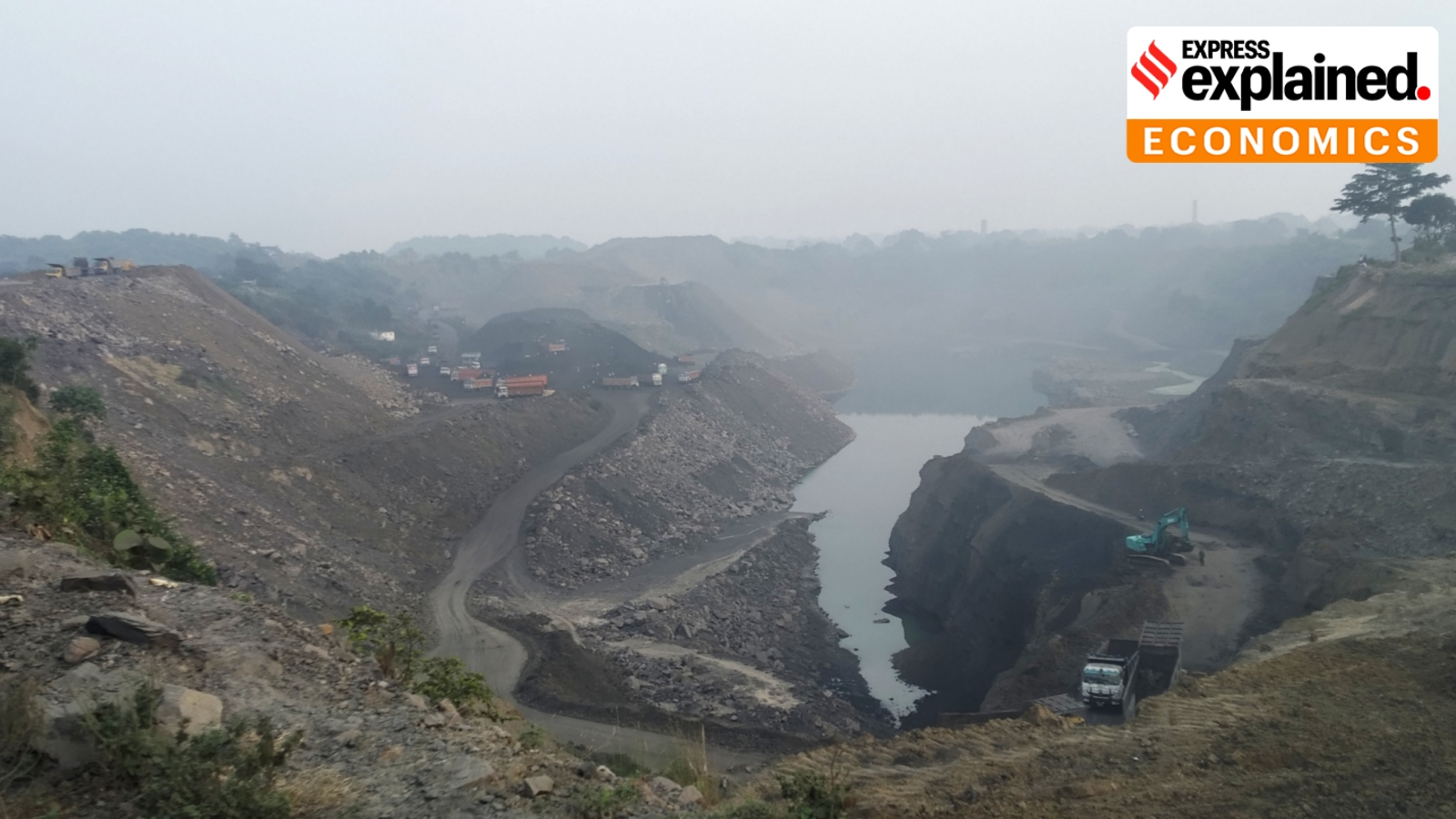
India’s Parliament passed a new law about taxes on mining.
It limits how much states can charge companies that extract minerals.
It also cancels some unpaid mining-related dues from before the law begins.
States such as Odisha and Jharkhand say this could remove important income from their budgets.
They also say the law reduces powers that the Supreme Court recognized in 2024.
The central government says too many state charges make minerals more expensive.
It believes a common limit will help control costs and encourage investment.
The disagreement is mainly about whether states or the national government should control these mining charges.

Parliament passed the Mines and Minerals (Development and Regulation) Amendment Act, 2026, restricting specified state levies on mineral rights and mineral-bearing land.
The law would cancel unpaid or unrecovered dues from such levies imposed before it takes effect, estimated at about Rs 2 lakh crore across the sector.
States argue the measure overrides the Supreme Court’s 2024 ruling affirming their power to tax mineral rights and mineral-bearing lands.
Mineral-rich states could face substantial revenue losses; Odisha’s Opposition estimates Rs 12,000 crore in annual losses and Rs 1 lakh crore in arrears.
The Centre says the law will prevent excessive and overlapping levies, reduce mineral costs, and provide greater certainty for mining companies.
- Who
- The central government and Parliament support the amendment, while states including Odisha and Jharkhand oppose its financial and federal implications; Odisha’s BJD and Congress have protested in the Assembly.
- What
- The Mines and Minerals (Development and Regulation) Amendment Act, 2026 restricts specified state levies on mineral rights and mineral-bearing land and extinguishes certain earlier unpaid dues.
- Where
- The dispute is especially prominent in Odisha, with concerns also raised by Jharkhand, Kerala, Tamil Nadu, and Karnataka.
- When
- Parliament passed the amendment in August 2026; the Supreme Court ruling central to the dispute was issued on July 25, 2024.
- Why
- The Centre says the law will prevent excessive levies, contain mineral costs, and provide investment certainty, while states fear major revenue losses and reduced taxing powers.
State Governments and Opponents
Central Government and Mining Industry Supporters
State taxing powers
State Governments and Opponents
States argue that the amendment takes away rights recognized by the Supreme Court in 2024 and undermines the federal structure.
Central Government and Mining Industry Supporters
The Centre seeks a uniform framework that limits cumulative state levies on minerals.
Revenue impact
State Governments and Opponents
Mineral-rich states say the restrictions and cancellation of earlier dues could cause significant budget losses, with Odisha and Jharkhand highlighting large potential shortfalls.
Central Government and Mining Industry Supporters
Government and industry representatives say the effect on state revenue may not be material because many levies have been legally contested and remain unpaid.
Effect on mining costs
State Governments and Opponents
Opponents prioritize states’ ability to raise revenue from mineral-bearing land and argue that the law removes a significant source of funds.
Central Government and Mining Industry Supporters
The government and mining industry say multiple or excessive levies increase mineral and infrastructure costs, while a predictable fiscal burden could support investment.
Key facts
- Legislation
- Mines and Minerals (Development and Regulation) Amendment Act, 2026
- Estimated dues affected
- About Rs 2 lakh crore in unpaid or unrecovered levies across the mining sector
- Supreme Court ruling
- The July 25, 2024 ruling upheld states’ exclusive power to tax mineral rights and mineral-bearing lands.
- Odisha’s estimated impact
- The BJD alleges Rs 12,000 crore in annual losses and Rs 1 lakh crore in arrears.
- Jharkhand’s expected cess revenue
- Chief Minister Hemant Soren said the Mineral Bearing Land Cess was expected to generate about Rs 11,000 crore annually.
- State revenue dependence
- Mineral and petroleum receipts represented 23% of Odisha’s, 13% of Jharkhand’s, and 5% of Chhattisgarh’s revenue receipts, according to the cited CAG report.
Quotes
A senior Mines Ministry official
A senior official involved with the Union Mines Ministry
“All we are saying is all these levies together should not be beyond a certain percentage”
 indianexpress.com
Sources
Related news
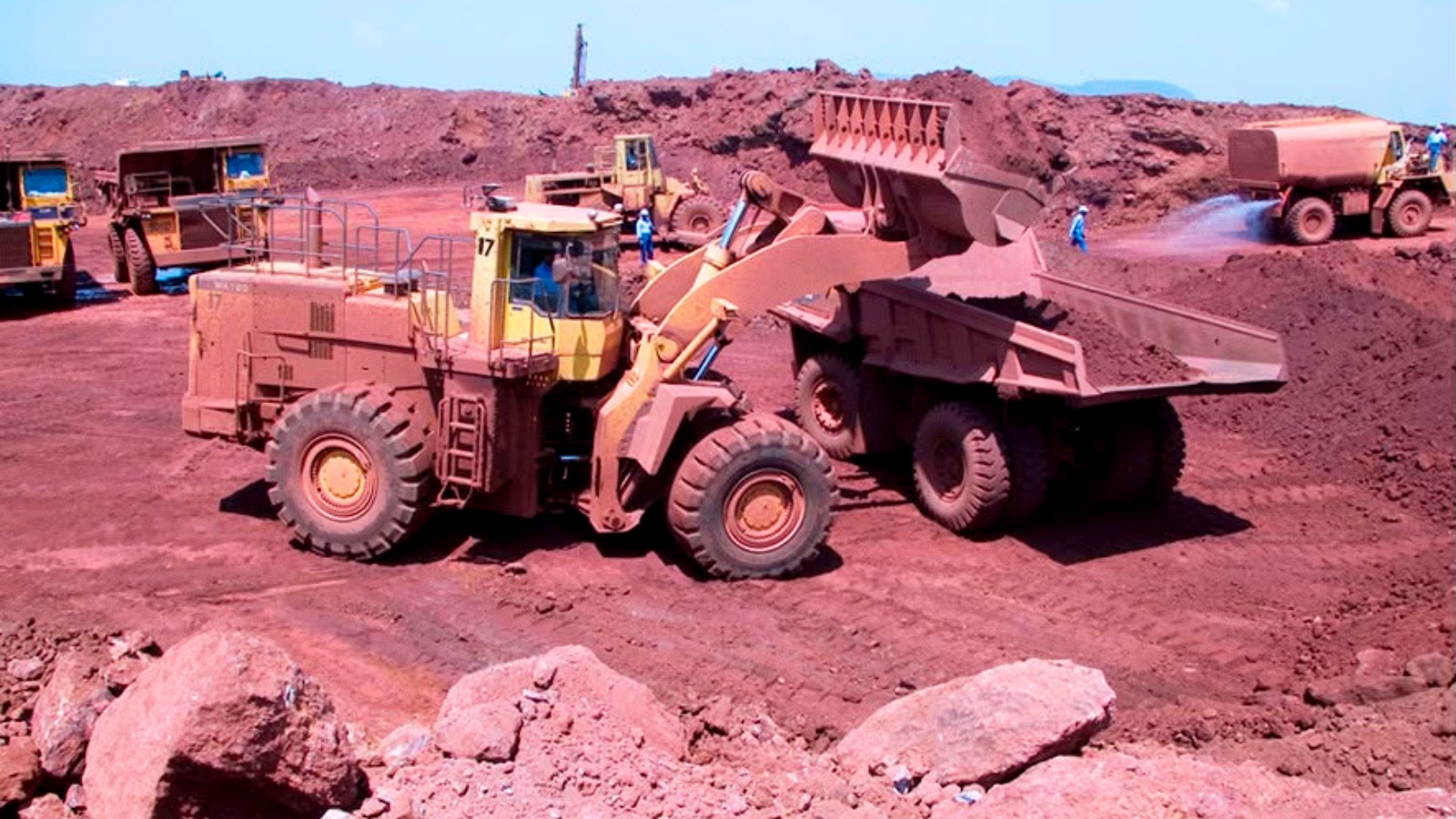
Odisha Mining Law Sparks Fresh Centre-State Tussle

Patnaik, Pradhan Clash Over Odisha Mining Law Changes

Mineral Tax Reform Pits National Economic Integration Against State Revenues
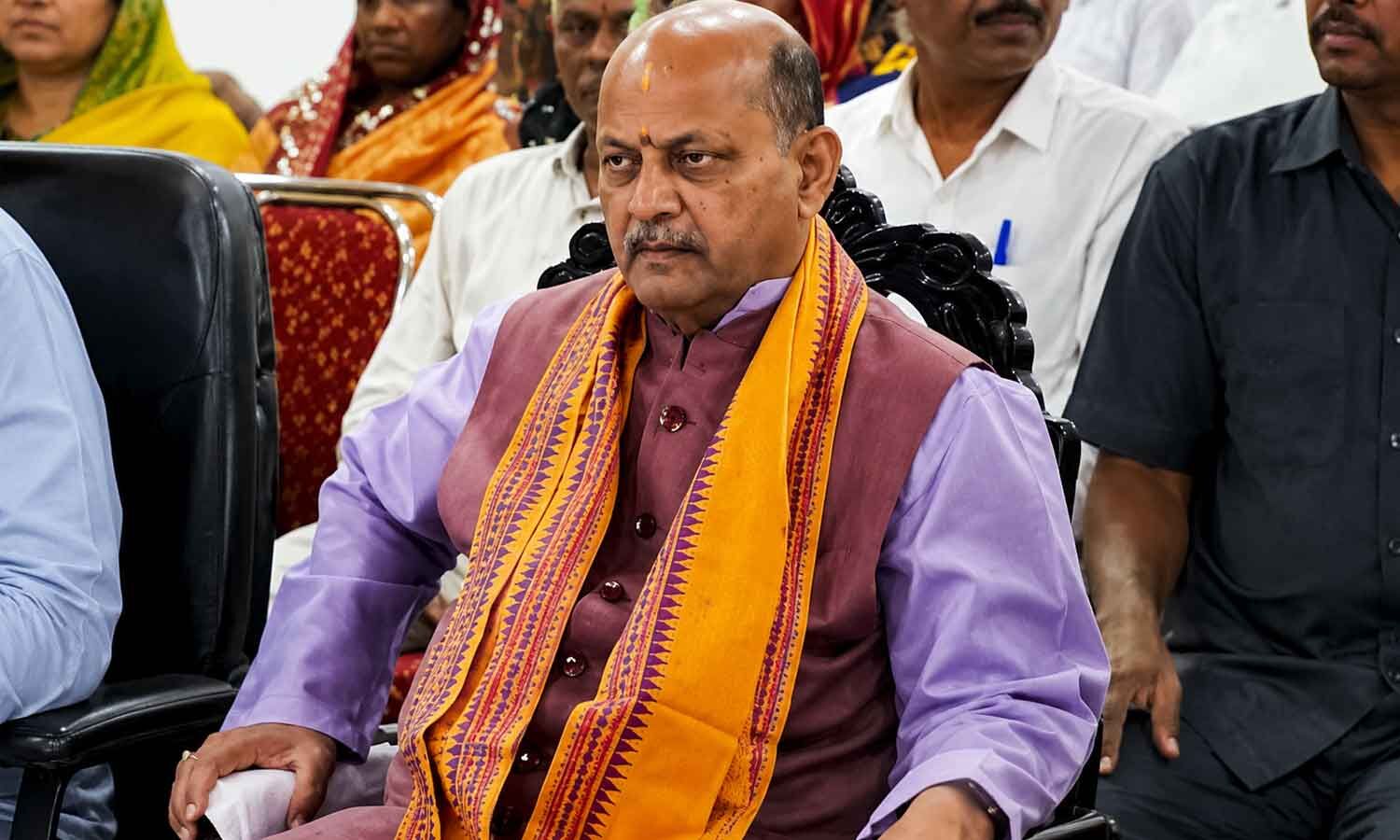
Odisha BJP, BJD Clash Over New Mining Law

MMDR Amendment Act Threatens India’s Mineral Fiscal Compromise
MMDR Act 2026: Boon or Bane for Odisha Mining?

Odisha Assembly Session Opens Amid Protests Over Mining Law, Textbooks
BJD Plans Odisha Protest Over MMDR Amendment Act