3 weeks ago
Tribunals Reforms Bill 2026 Seeks Judicial-Led Independence In Appointments

Special courts called tribunals help solve disputes, but people are often unhappy with how the judges for these courts are picked.
The Supreme Court has said these judges should be chosen just as fairly as regular judges.
So the government introduced a new plan called the Tribunals Reforms Bill, 2026.
This plan creates a special group called the National Tribunals Commission to choose tribunal judges.
Most members of this group will be retired judges, so judges have the most say.
The group will look carefully at each candidate's past work instead of just trusting their reputation.
It will also keep a permanent office to find and check candidates in an open way.
Tribunal leaders would serve for five years and must stop working by age 70.
The government still gives the money and makes the final appointment orders.
Many people think this will make choosing tribunal judges fairer and more transparent.

The Tribunals Reforms Bill, 2026 proposes a National Tribunals Commission chaired by a retired Supreme Court judge or high court Chief Justice.
The Commission would have a three-to-two judicial majority, with two retired high court judges and two technical members.
Search-cum-selection committees would recommend one name per vacancy instead of offering the government a panel to choose from.
The Bill provides five-year terms with age limits of 70 for chairpersons and 67 for members, without reviving the minimum age of 50 struck down earlier.
A permanent secretariat would track vacancies, advertise positions, and evaluate candidates, while the government retains rule-making, funding, and appointment-order powers.
- Who
- The government introducing the Tribunals Reforms Bill, 2026; the Supreme Court; and a proposed National Tribunals Commission and permanent secretariat.
- What
- A reform bill that aims to make tribunal appointments more independent and professional through a judicially dominated National Tribunals Commission.
- Where
- India, based on the article's references to the Supreme Court and high courts.
- When
- 2026, the year named in the Tribunals Reforms Bill, 2026.
- Why
- To address repeated litigation and judicial intervention in tribunal appointments and to satisfy the Supreme Court's requirement that tribunals have independence comparable to high courts.
Key facts
- Proposed body
- National Tribunals Commission
- Commission chairperson
- Retired Supreme Court judge or high court Chief Justice
- Commission composition
- Chairperson, two retired high court judges, two technical members (3-2 judicial majority)
- Selection method
- Single-name recommendation per vacancy; judicially chaired committees with casting vote
- Term length
- Five years
- Age limits
- 70 for chairpersons, 67 for members
- Government's retained powers
- Prescribing principles via rules, providing funds, and issuing appointment orders
Sources
Related news

Parliament Passes Tribunals Reforms Bill 2026 Amid Court Tussle

Lok Sabha passes Tribunals Reforms Bill, 2026 amid protests

Parliament Clears Tribunals Reforms Bill, 2026 Setting Up Commission

Tribunal Reforms Act Raises Fresh Questions Over Judicial Autonomy

Why Tribunals Matter: Lok Sabha passes Tribunals Reforms Bill 2026
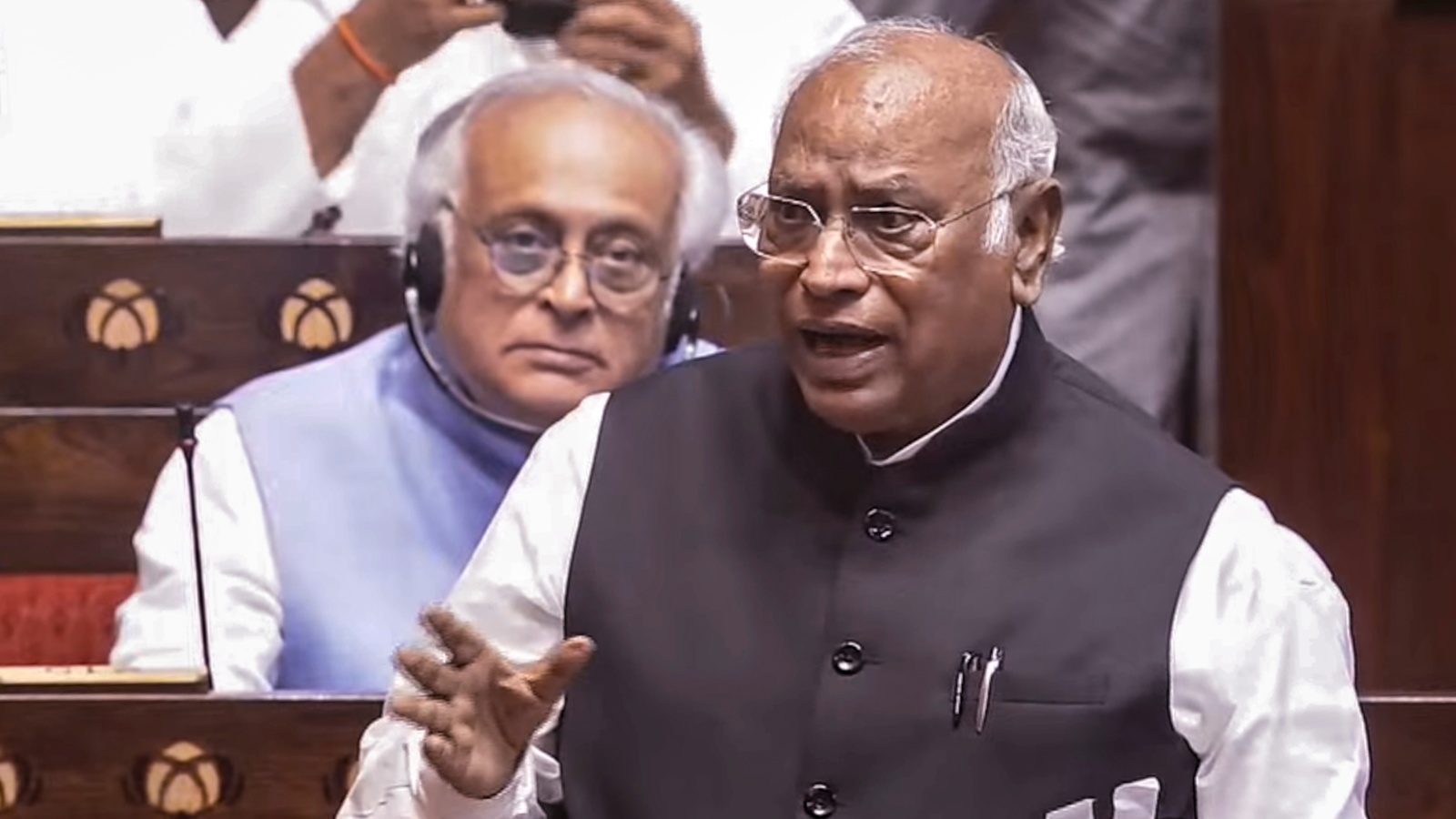
Rajya Sabha passes Tribunals Reforms Bill amid Opposition walkout

Two Years After RG Kar Doctor's Rape-Murder, Case Remains Unresolved

ED widens Chhattisgarh probes with two arrests and searches

Delhi High Court Orders Madhya Pradesh to Pay Advocate Dues

Haryana sanitation workers’ strike puts BJP government under pressure

Orissa High Court Says Brothel Customers Cannot Face Trafficking Charges