2 days ago
US and EU Challenge India's Trade Barriers at WTO
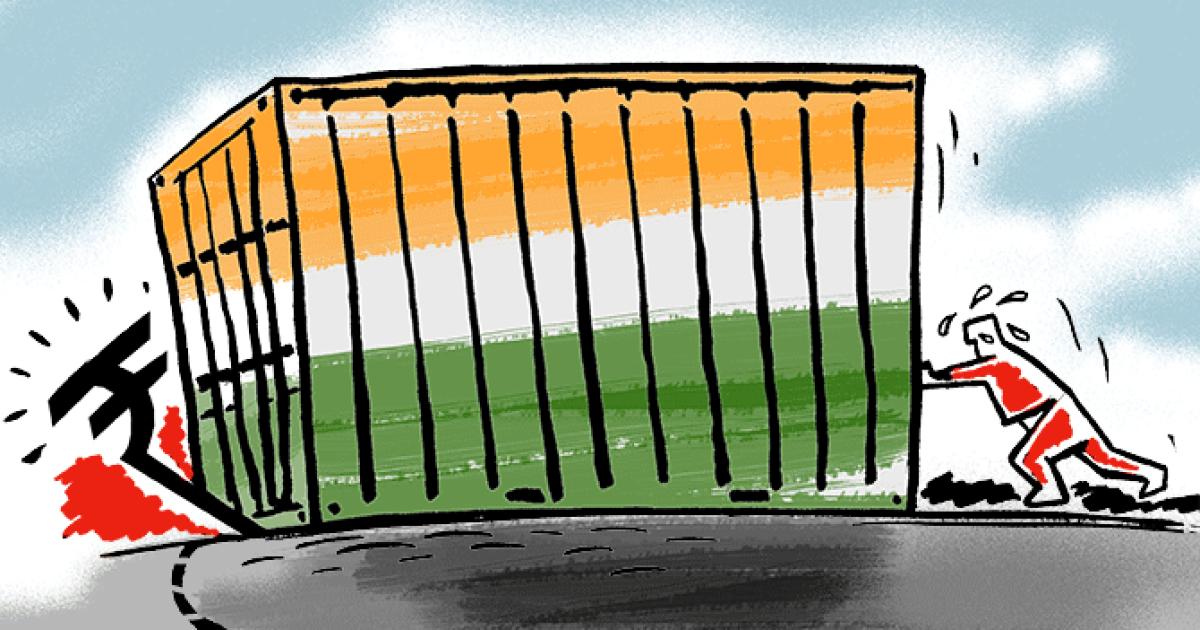
The United States and European Union reviewed India’s trade rules at the World Trade Organization.
They said some Indian tariffs and regulations make it harder for foreign companies to sell goods and services there.
They were especially concerned about quality-control orders, testing rules, digital trade limits, and local-content requirements.
The European Union also mentioned unpredictable customs procedures and intellectual-property concerns.
The United States asked India to consult businesses more and avoid unnecessary testing.
Both sides recognized that India has removed some quality-control orders and started reforms.
India said its rules protect public health, food safety, people, animals, plants, and the environment.
The countries also said that putting the India-European Union trade agreement into practice would be important.

The United States and European Union criticized India’s high tariffs and regulatory barriers during its eighth WTO trade policy review.
Concerns included quality-control orders, SPS and technical regulations, customs procedures, local-content rules, and government-procurement restrictions.
The United States also raised concerns about foreign access to services, digital trade, electronic payments, retail, e-commerce, and cross-border data flows.
The European Union said India’s quality-control requirements and domestic standards could burden exporters and isolate its market from the global economy.
India defended its measures as necessary for public health, food safety, biosecurity, environmental protection, and preventing deceptive practices.
- Who
- The United States, the European Union, and India, during discussions among World Trade Organization members.
- What
- India’s trade policies were reviewed, with the United States and European Union raising concerns about tariffs and regulatory and non-tariff barriers.
- Where
- At the World Trade Organization.
- When
- During India’s eighth World Trade Organization trade policy review; the articles do not provide a meeting date.
- Why
- The United States and European Union said India’s trade measures could hinder foreign exporters, services providers, investors, and integration into global supply chains.
United States and European Union Concerns
India’s Regulatory Defense
Tariffs and regulations
United States and European Union Concerns
The United States and European Union said high tariffs, SPS and technical measures, quality-control orders, and other regulations create barriers for foreign exporters and investors.
India’s Regulatory Defense
India said its SPS measures and technical regulations facilitate legitimate trade while protecting public health, food safety, biosecurity, human, animal and plant life, and the environment.
Quality-control orders
United States and European Union Concerns
The United States and European Union said domestic standards, testing, and certification requirements can burden exporters and diverge from international standards; the United States urged more stakeholder consultation.
India’s Regulatory Defense
India said its quality-control orders are designed to meet legitimate objectives, including preventing deceptive practices and protecting health and the environment, while acknowledging reforms and notifications.
Digital trade and services
United States and European Union Concerns
The United States said restrictions in electronic payments, retail, e-commerce, and cross-border data flows can prevent a level playing field for foreign companies and limit global supply-chain integration.
India’s Regulatory Defense
India’s response, as reported, emphasized its broader regulatory framework; the articles do not state a specific Indian defense of each digital-trade restriction.
Key facts
- Review
- India’s eighth World Trade Organization trade policy review
- Main critics
- The United States and European Union
- Tariff concerns
- The United States called for significant tariff reductions.
- Quality-control orders
- The United States welcomed India’s repeal of some orders; the European Union said remaining requirements could burden exporters.
- Services and digital trade
- The United States cited restrictions affecting electronic payments, retail, e-commerce, and cross-border data flows.
- India’s position
- India said its SPS measures and technical regulations pursue legitimate objectives including public health, food safety, biosecurity, and environmental protection.
- Possible bilateral framework
- The European Union said implementation of the recently concluded India-European Union free trade agreement would be essential.
Quotes

European Union
WTO member and one of India's largest trading partners
“While we are encouraged by the Indian government's pursuit of trade agreements that will foster transparency and good regulatory practices, India must take additional steps to significantly reduce tariffs, remove unjustified SPS and TBT measures, refrain from imposing barriers to services and digital trade, and roll back regulations that discriminate against foreign exporters and investors”
 rediff.com
“It is also a very ambitious agreement when it comes to the rules, notably on the non-tariff barriers to trade.”
rediff.com
India's representative to the WTO
Indian government representative speaking during the WTO trade policy review
“Our objective throughout has been to facilitate legitimate trade while safeguarding public health, food safety and biosecurity”
rediff.com
Sources
Related news
India-US Trade Talks Focus on Digital Rules, Barriers
India challenges US quartz tariffs at WTO in fourth dispute

India-US Trade Pact Awaits Preferential Tariff Terms from Washington

India Seeks Better Tariffs Than Rivals to Finalize US Deal
India-US Trade Pact Talks Intensify Amid Exporter Tariff Concerns
Chidambaram Questions Whether GDP Growth Benefits Indians
India’s Vehicle Scrappage Drive Faces Environmental and Economic Roadblocks

Economic Growth and Ecological Balance Must Reinforce One Another
India Pushes Beyond Assembly Into Domestic Electronics Components

NITI Aayog Calls Inclusive Growth Key to Developed India