

5 hrs ago
Chidambaram Questions Whether GDP Growth Benefits Indians
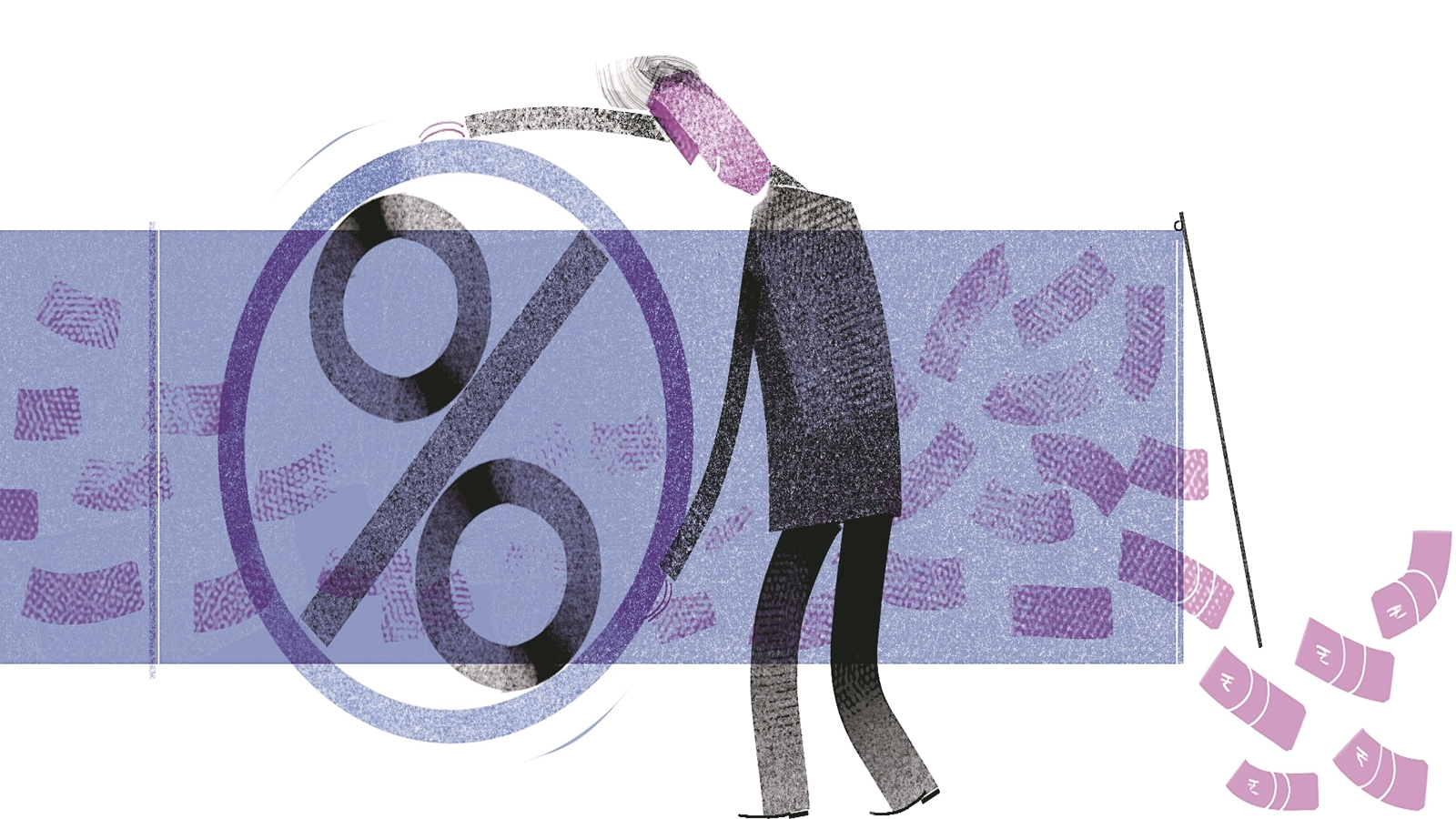
India reported that its economy grew quickly in the first quarter of 2026-27.
Growth was 7.8% after adjusting for price changes and 10.3% at current prices.
P Chidambaram says these numbers should be checked against everyday life.
He asks why many young people cannot find jobs.
He also points to weak wage growth and a large trade deficit.
Manufacturing and private investment, he says, have not improved enough.
He questions whether people are receiving better schools, hospitals, roads and public services.
His main point is that economic growth matters only if people can feel its benefits.
The government and official economists are pleased with the figures, but critics remain doubtful about what they mean for ordinary citizens.

MoSPI reported Q1 2026-27 GDP growth of 10.3% in nominal terms and 7.8% in constant prices.
P Chidambaram says comparable CAGR figures show no major acceleration or economic overdrive in 2026-27.
He questions why high GDP growth has not produced stronger jobs, wages, consumption, investment and manufacturing.
The article highlights youth unemployment of 16.2%, weak real wage growth and a merchandise trade deficit of USD 150 billion.
Chidambaram argues that many citizens do not feel better off despite the reported 7.8% real GDP growth.
- Who
- P Chidambaram, the government and official economists, and critics of the GDP figures.
- What
- A debate over whether India’s reported GDP growth reflects a broad improvement in jobs, wages, investment, manufacturing and living conditions.
- Where
- India.
- When
- The figures concern Q1 of 2026-27; the article also cites data from January 2026 and April-August 2026.
- Why
- Chidambaram argues that reported growth has not sufficiently translated into better economic conditions and public services for citizens.
Official Growth View
Chidambaram’s Critique
Meaning of the GDP figures
Official Growth View
The government and official economists are pleased with the reported 7.8% real GDP growth and 10.3% nominal growth.
Chidambaram’s Critique
Chidambaram says comparable growth calculations show only a marginal increase and no shift into economic overdrive.
Credibility and economic performance
Official Growth View
The article presents the MoSPI figures as the basis for the government’s positive assessment and says they may be assumed correct for analysis.
Chidambaram’s Critique
Chidambaram says the figures should be tested against jobs, wages, consumption, trade, investment and manufacturing, where he sees persistent weaknesses.
Benefits for citizens
Official Growth View
Reported economic growth indicates an expanding economy, according to the official interpretation described in the article.
Chidambaram’s Critique
Chidambaram argues that citizens do not feel better off because growth has not produced enough jobs, stronger wages or noticeably better public goods.
Key facts
- Reported nominal GDP growth
- 10.3% in Q1 2026-27 compared with Q1 2025-26
- Reported real GDP growth
- 7.8% in Q1 2026-27 compared with Q1 2025-26
- Youth unemployment
- 16.2% among people aged 15-29
- Foreign exchange reserves
- USD 740 billion, described as an all-time high
- Merchandise trade deficit
- USD 150 billion in April-August 2026
- Trade deficit with China
- USD 44 billion in April-July
- Manufacturing share
- About 13% of nominal GVA
- Gross Fixed Capital Formation
- Roughly 33.5% of GDP, with private corporate capital expenditure around 12%
Sources
Related news
Goyal Defends India’s 7.8% GDP Growth Amid Data Debate

India’s 7.8% GDP Growth Raises Jobs And Income Concerns
India's 7.8% GDP Growth Sparks Questions Over Economic Reality
Opposition Challenges 7.8% GDP Growth Amid Jobs, Price Concerns
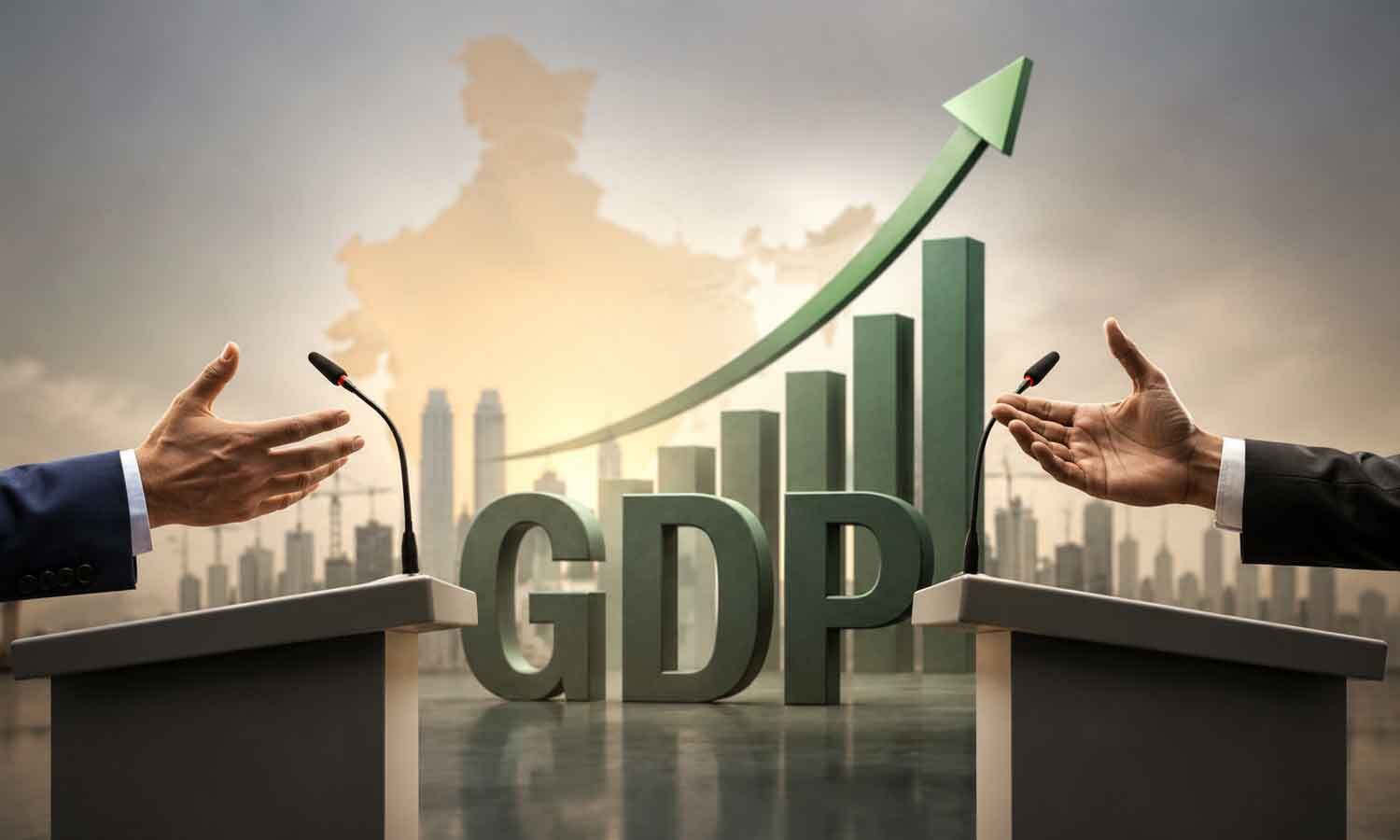
India’s GDP Growth Debate Extends Beyond Conflicting Statistics
India’s 7.8% GDP Growth Faces Questions Over Jobs, Inclusion
BJP Uses BRICS Summit to Promote Modi’s Global Influence

Congress Leaders Offer Contrasting Views on BRICS Influence

Tharoor Defends BRICS Value After Chidambaram Questions Benefits

Xi Jinping’s India Visit Sparks Chidambaram-Modi Government Clash
