1 hr ago
HUDCO's Profit Growth Supports Dividends, But Payout Growth May Lag
HUDCO lends money for housing and infrastructure projects in India.
It has earned more profit in recent years and has increased its dividend to shareholders.
In FY26, it paid ₹6.05 for each share.
However, profits grew faster than dividends, so the share of profit paid out fell to about 30%.
The company says its low bad-loan levels help protect its earnings.
It also has a large capital cushion and liquidity above the required level.
HUDCO wants to greatly expand its infrastructure loans by 2030.
Future dividends will still depend on profits, regulations, cash needs, and the company’s financial performance.

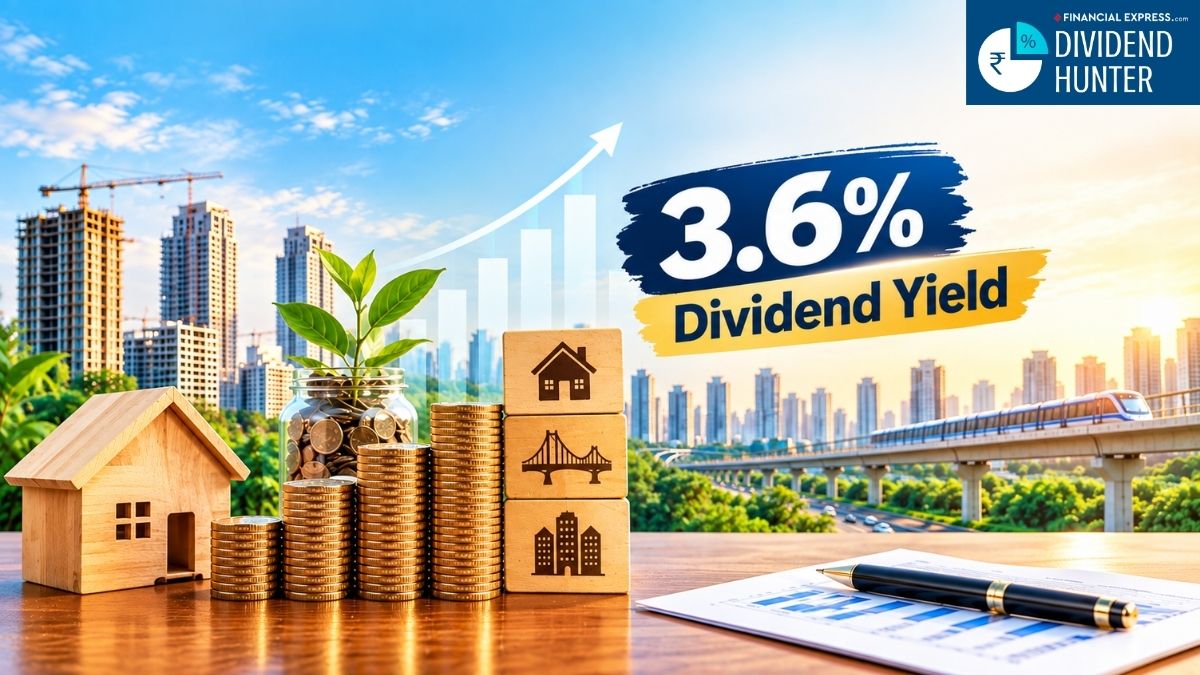
HUDCO’s FY26 dividend totaled ₹1,211.2 crore, or ₹6.05 per share, producing a 3.6% yield at ₹170.
Net profit grew at a 20% five-year CAGR and rose 48.9% year-on-year to ₹4,034.4 crore in FY26.
The payout ratio declined from 41% in FY22 to about 30% in FY26 as profits grew faster than dividends.
Q1FY27 gross and net NPAs were 0.96% and 0.048%, while the capital adequacy ratio stood at 39.4%.
HUDCO targets a ₹3 lakh crore infrastructure loan portfolio by 2030, supported by a reported ₹2.5 lakh crore sanction pipeline.
- Who
- Housing and Urban Development Corporation Limited (HUDCO), a Navratna central public sector enterprise and infrastructure-finance NBFC.
- What
- HUDCO’s dividend sustainability is being assessed using its profit growth, payout history, asset quality, capital strength, and expansion plans.
- Where
- India.
- When
- The analysis covers FY22 through FY26 and Q1FY27, with the FY26 share price reference dated 17 September.
- Why
- Dividend capacity depends on HUDCO’s profitability, net worth, regulatory requirements, liquidity, asset quality, and funding costs.
Sustainability Case
Caution Case
Financial capacity
Sustainability Case
Strong profit growth, low net NPAs, a 39.4% CRAR, and liquidity coverage above the regulatory requirement support continued dividends.
Caution Case
Dividend payments remain subject to profitability, net worth, RBI limits, liquidity needs, and the requirement to transfer at least 20% of net profit to a statutory reserve.
Future payout growth
Sustainability Case
The dividend per share has risen from ₹3.50 in FY22 to ₹6.05 in FY26, while continued loan expansion could support future earnings.
Caution Case
The payout ratio fell from 41% to about 30% because profits grew faster than dividends, so future dividend growth may not match profit growth.
Business expansion
Sustainability Case
A reported ₹2.5 lakh crore sanction pipeline and over ₹6.5 lakh crore in state and institutional MoUs provide a potential growth runway.
Caution Case
Expanding lending and increasing reliance on infrastructure financing could require capital and funding, while loan yields and margins remain important to profitability.
Key facts
- FY26 dividend
- ₹1,211.2 crore in total, including four interim dividends and a final dividend of ₹300.3 crore
- Dividend per share
- ₹6.05 in FY26, compared with ₹3.50 in FY22
- FY26 net profit
- ₹4,034.4 crore, up 48.9% year-on-year
- FY26 payout ratio
- About 30%, down from 41% in FY22
- Q1FY27 asset quality
- Gross NPA of 0.96%, net NPA of 0.048%, and provision coverage of 95.06%
- Q1FY27 capital position
- CRAR of 39.4%, compared with a stated regulatory threshold of 15%
- 2030 loan target
- Infrastructure loan portfolio target of ₹3 lakh crore, versus ₹1.7 lakh crore in Q1FY27
Sources
Related news

LIC Housing Finance Announces 500% Final Dividend, Record Date

Balmer Lawrie’s 5% Yield Gains Support from Growing Profits

Fifteen Indian Stocks Offer Higher Dividend Yields Than FDs

Tech Mahindra and Swaraj Engines Offer Contrasting Dividend Stories

South-Based NBFCs Post Strong Profits, But Valuations Concern Investors
Four Infrastructure-Linked SMEs Show Growth Amid India’s CapEx Boom

India’s External Borrowings Jump 74% in June on Concessions

NBCC Launches Rs 500 Crore HUDCO Projects Across Delhi-NCR

Dhami Sets November Deadline for Visible Progress on Uttarakhand Ropeways

Karnataka Bank Empanelled to Arrange HUDCO Capital Gain Bonds