2 weeks ago
Supreme Court’s CJP Order Reignites Article 142 Debate
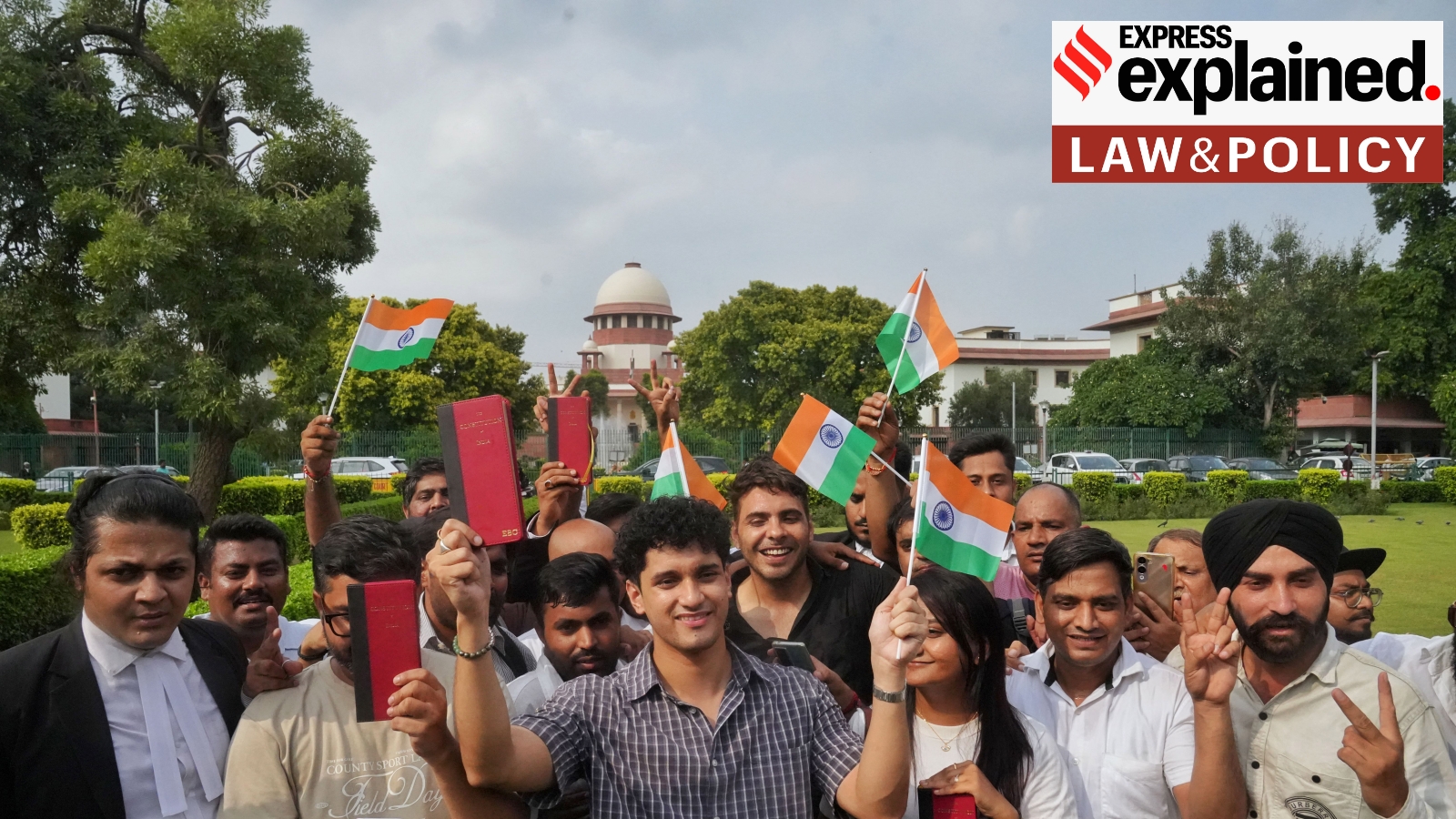
India’s Supreme Court has a special power called Article 142.
It allows the court to make orders needed to achieve complete justice.
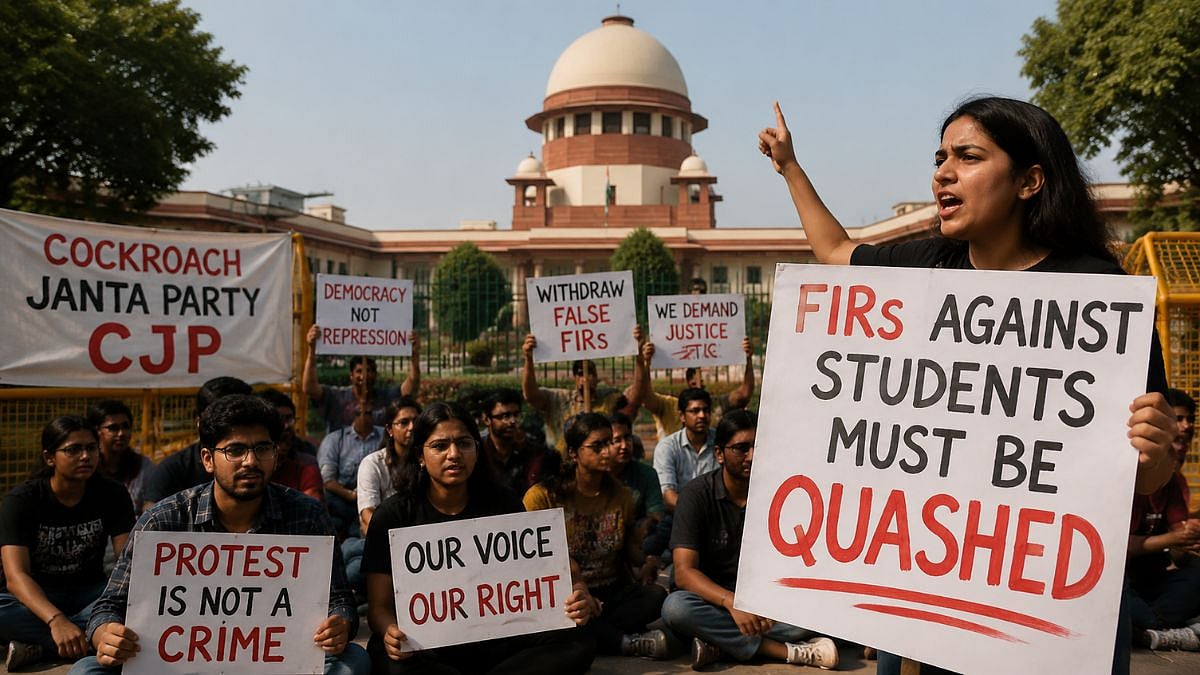
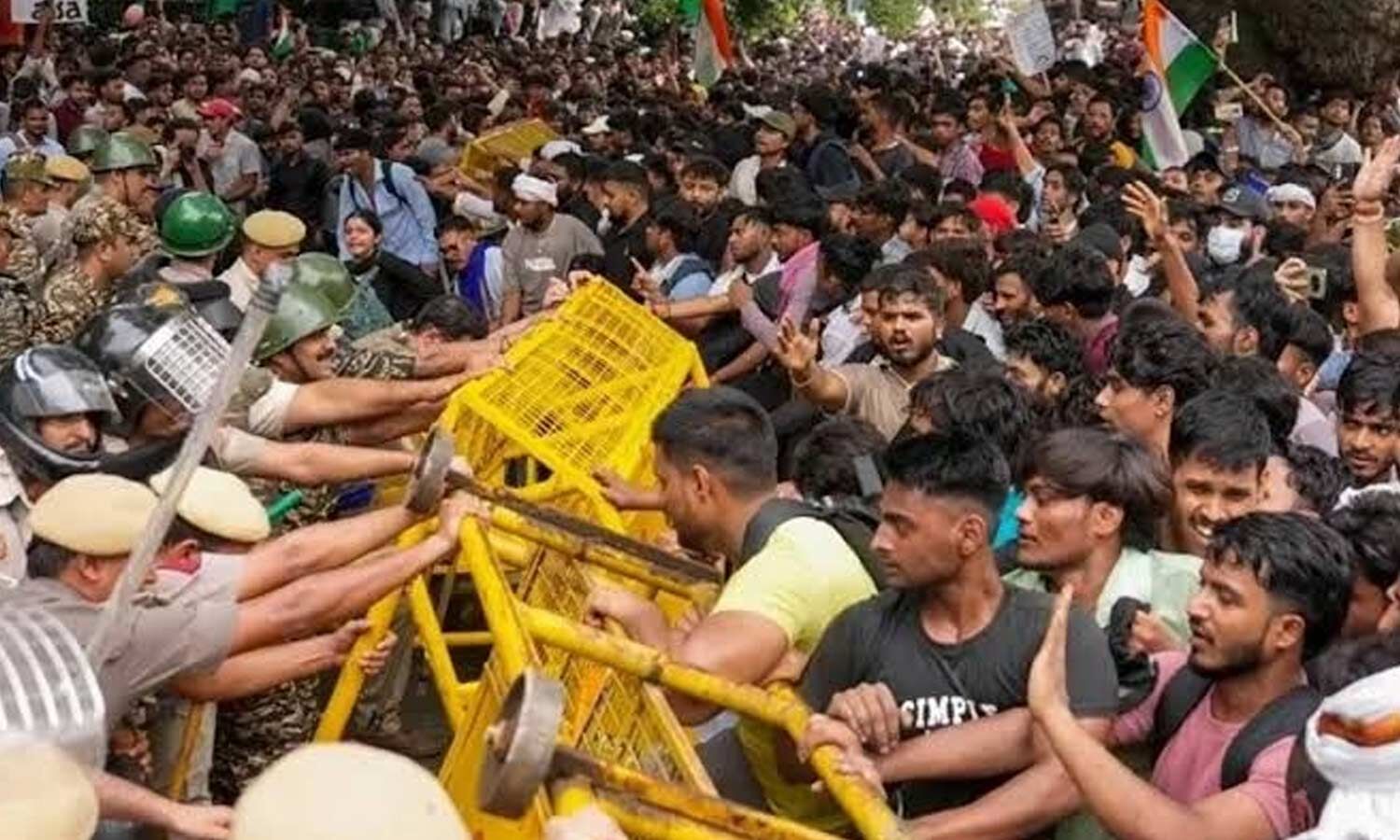
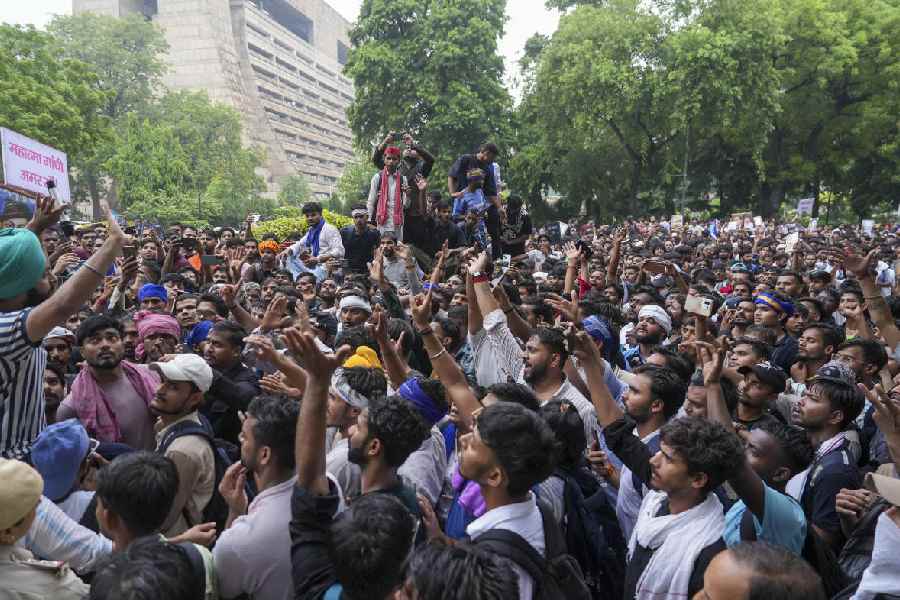
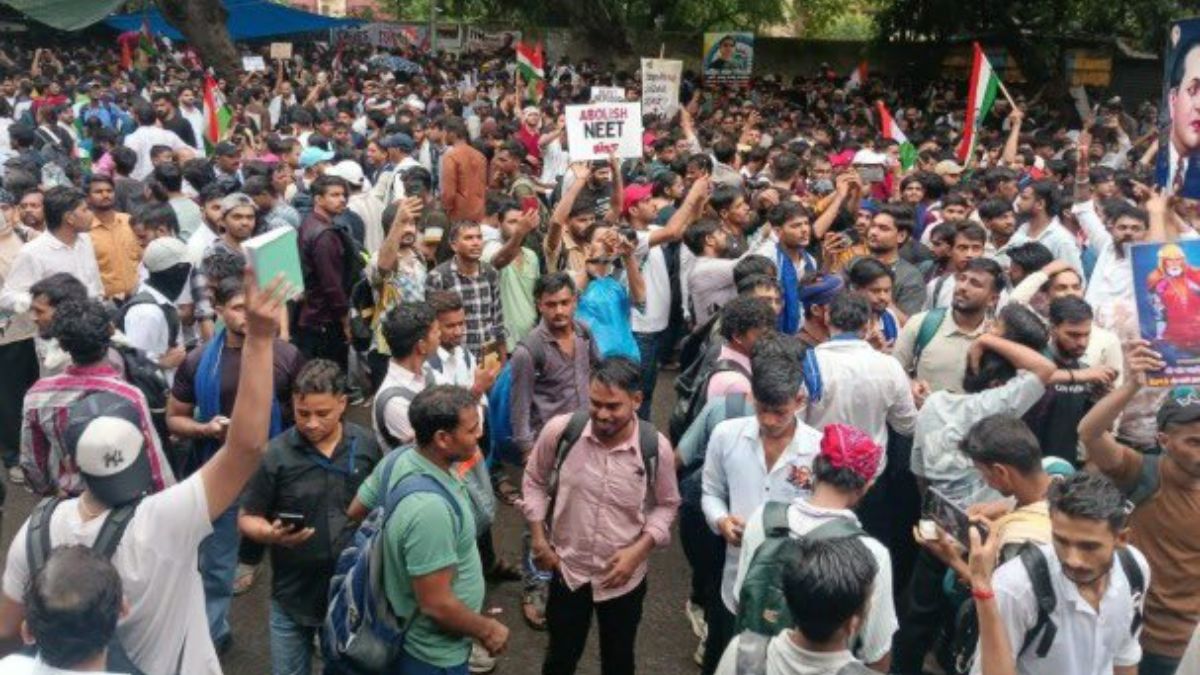
The court used this power to cancel many police cases connected to protests about an exam paper leak.
The government had agreed not to continue those cases.
The court also ordered compensation for families of students who died by suicide after the leak.
Some people were left out because authorities said they had serious criminal records.
Supporters say Article 142 helps the court solve difficult problems fairly.
Critics say the court may have skipped normal legal procedures and used too much discretion.
This disagreement has renewed a long-running debate about the limits of the Supreme Court’s power.

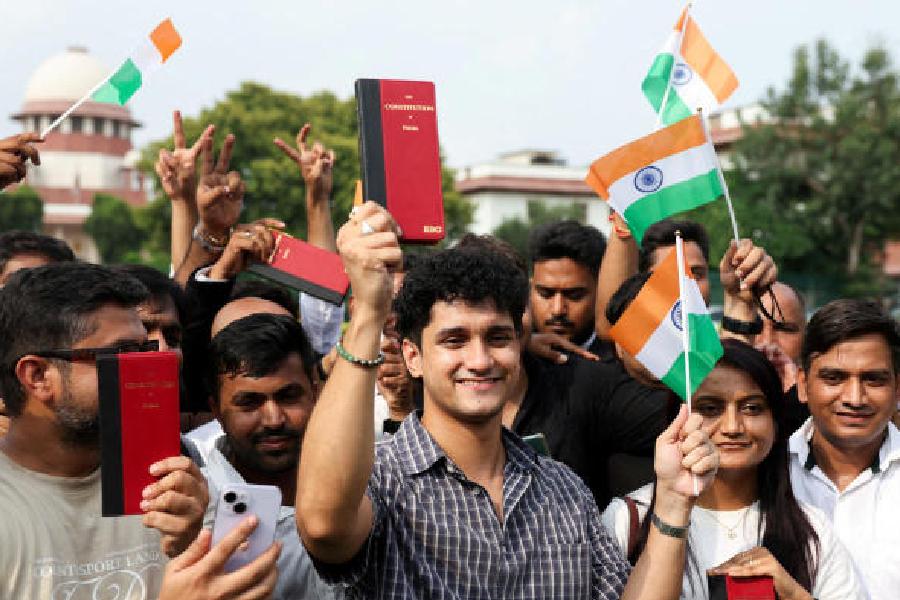
The Supreme Court used Article 142 to quash FIRs linked to nationwide CJP exam protests.
The Centre said it had decided not to pursue the cases, while the court ordered compensation within three months for families of students who died by suicide over the NEET-UG 2026 leak.
All protest-related FIRs were quashed except those involving about 2,873 people described as having serious criminal antecedents.
Article 142 allows the Supreme Court to issue orders needed to achieve “complete justice” in pending matters.
Critics say the blanket quashing bypassed ordinary procedures, while supporters point to Article 142’s role in resolving exceptional cases.
- Who
- The Supreme Court, the Centre, the Cockroach Janta Party, and people charged in connection with the protests.
- What
- The court quashed most protest-related FIRs under Article 142 and ordered compensation for families of students who died by suicide over the NEET-UG 2026 leak.
- Where
- The FIRs were filed across several states in India.
- When
- The order was issued this week; the protests took place in July, and a planned march was scheduled for September 5.
- Why
- The Centre said it had decided not to pursue the cases, and the court used Article 142 to give legal force to that assurance.
Supporters of Broad Article 142 Powers
Critics of Broad Article 142 Powers
Role of extraordinary judicial power
Supporters of Broad Article 142 Powers
Article 142 can help the Supreme Court deliver complete justice when ordinary law does not adequately resolve an exceptional dispute.
Critics of Broad Article 142 Powers
Its open-ended language gives judges broad discretion and can allow the court to bypass procedures established by legislation.
The CJP protest settlement
Supporters of Broad Article 142 Powers
The court provided a neutral forum for the Centre and the protest group to reach a settlement, while preserving exclusions for people described as having serious criminal antecedents.
Critics of Broad Article 142 Powers
The blanket quashing of FIRs across several states allegedly avoided the required case-by-case examination and supplanted the statutory process for quashing criminal cases.
Need for safeguards
Supporters of Broad Article 142 Powers
Article 142 has been used for outcomes described as beneficial to deprived sections and to resolve major disputes, including the Bhopal settlement and the release of A G Perarivalan.
Critics of Broad Article 142 Powers
Former Attorney General K K Venugopal and Vice-President Jagdeep Dhankhar have warned that the power needs checks; Venugopal proposed limiting its use to Constitution benches.
Key facts
- Constitutional provision
- Article 142 allows the Supreme Court to issue orders necessary for doing complete justice in a pending matter.
- Bench
- The order was issued by Chief Justice of India Surya Kant and Justices Joymalya Bagchi and V Mohana.
- FIRs quashed
- All FIRs linked to the July protests were quashed except those involving approximately 2,873 people.
- Compensation deadline
- Compensation for families of students who died by suicide was ordered within three months.
- Article 142 history
- The provision appeared as Article 118 in the Draft Constitution and was adopted on May 27, 1949.
- Empirical study
- An IIM Ahmedabad study found 1,579 references to Article 142 or “complete justice” and 791 direct invocations between 1950 and 2023.
- Earlier limitations
- The Supreme Court has held that Article 142 must respect fundamental rights and cannot override an existing statutory scheme.
Sources
Related news
Supreme Court FIR Order Draws Criticism Over Protest Rights
Supreme Court Quashes NEET Protest FIRs, CJP Calls Off March
Centre Seeks Supreme Court Quashing of NEET Protest FIRs
Supreme Court Quashes Student Protest FIRs, CJP Withdraws March
Supreme Court Quashes NEET Protest FIRs; CJP Calls Off March
Dow Chemical Challenges Jurisdiction Arguments In Bhopal Gas Disaster Trial
Supreme Court Limitation Ruling Sparks Debate Over Public Assets

BCCI Reports ₹3,000 Crore Tax Payment Amid Sports Act Case

Mamata Takes TMC Name-Symbol Battle to Supreme Court
Karnataka Seeks Local Input Before Kasturirangan Decision Deadline